
If you’re considering a Sri Lanka bus tour, this one’s been personally tested.
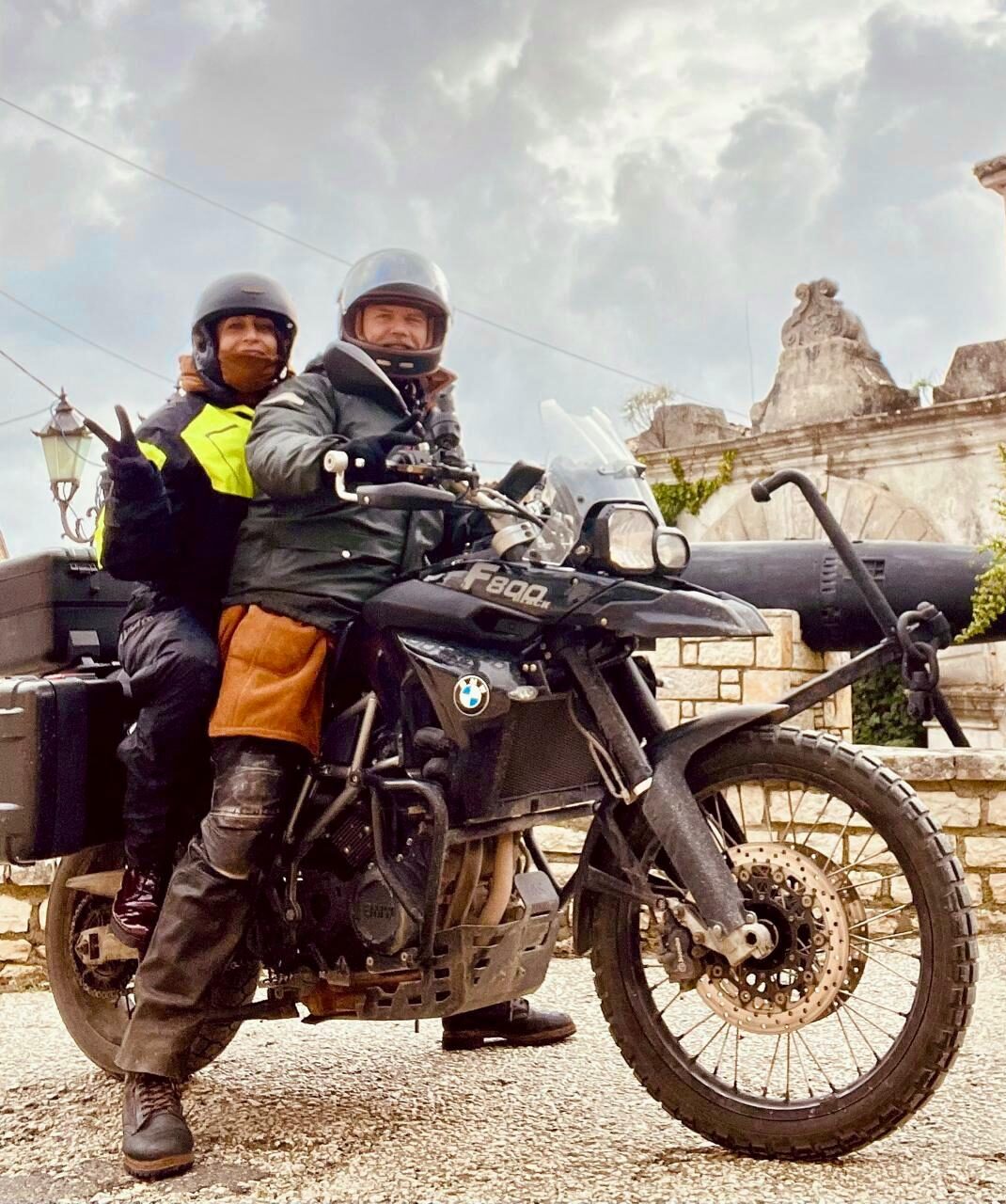
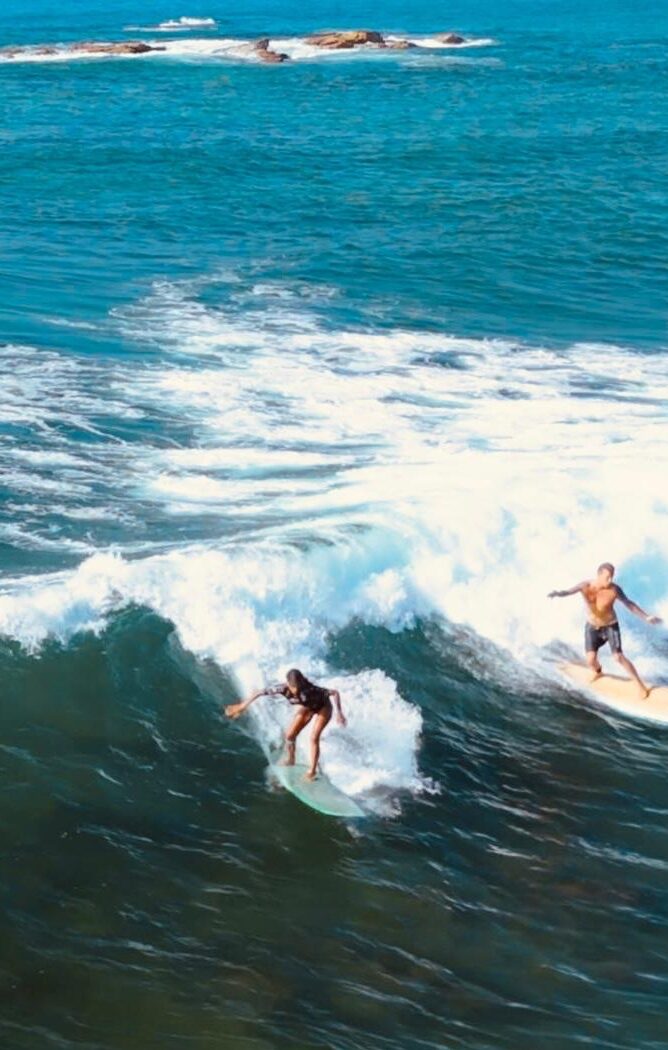
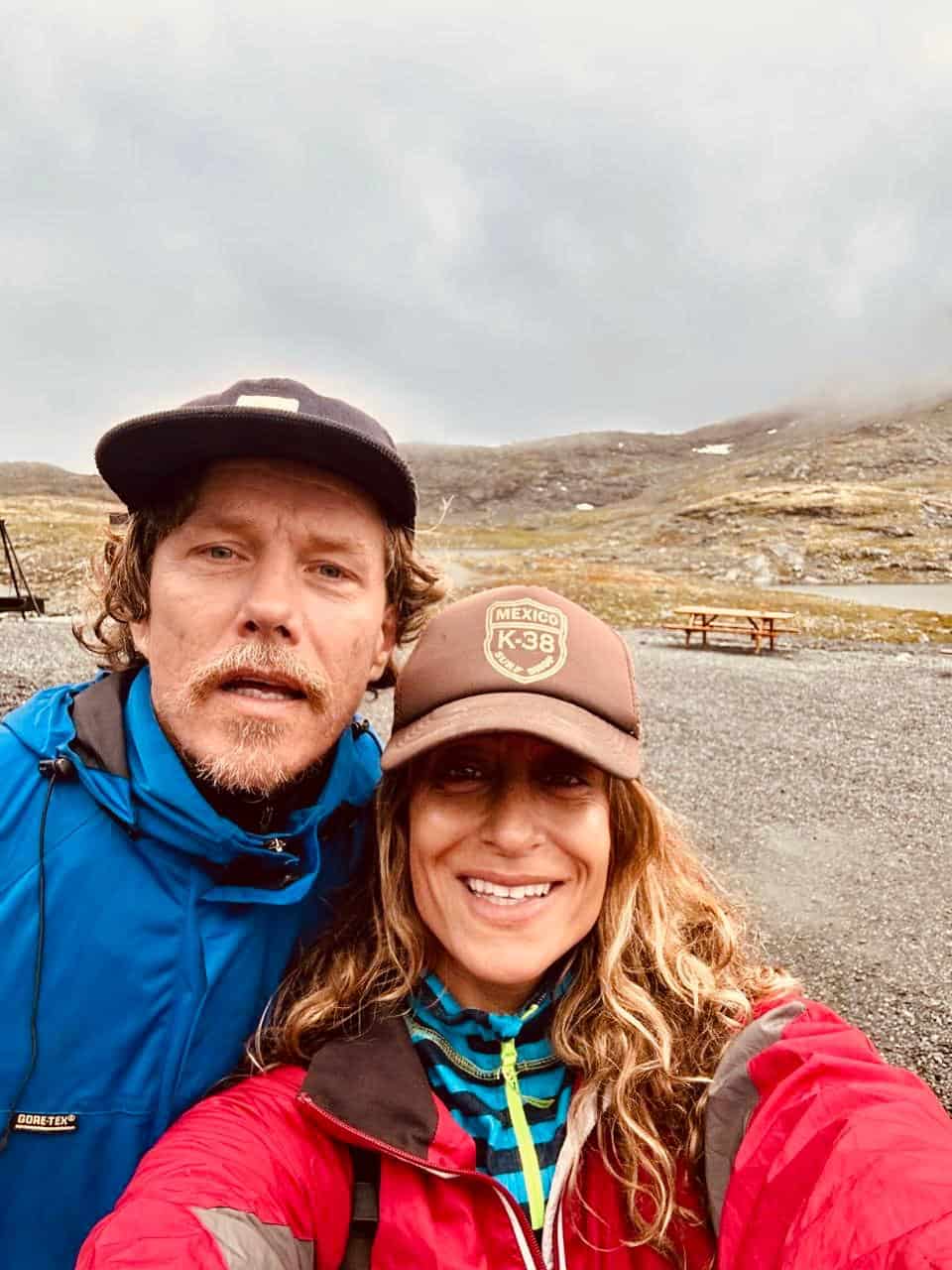
I’ve had the pleasure of traveling with my friend Joachim over the past twelve months. We met in Sri Lanka one year ago. Since then, we’ve practiced yoga in India, celebrated my birthday in Mexico, climbed a glacier in his home country of Norway, chased waves in Morocco, toured the Balkans, and road-tripped through southern Italy on his motorcycle.
As we both began this year in southern Sri Lanka, Joachim had the itch to head north into uncharted territory. I couldn’t join him, but I said, ‘You have to write about it. The Rife Guide needs that story!’
He was in.
What follows is an immersive travel story during his Sri Lanka bus tour, from south to north.
Enjoy the ride. ✌🏾
~ Bekah
Hello everyone.
What an amazing year it’s been. I feel incredibly grateful to have had the most intense travel year of my life — especially as I edge closer to 50. Time just kept moving, and here we are, after a life filled with what we love most — traveling and exploring, growing older and hopefully a little wiser along the way.
I have to take my hat off to Sri Lanka. If I had to describe it in one word, it would be paradise. It truly has it all — pristine nature, warm-hearted people, abundant wildlife, great surf, delicious food, and a way of living that just feels good. How could I not want to come back? Something tells me I’ll keep returning. It’s one of those places I feel lucky to call a second home.
So here we go — come along for a little trip around the island on local buses.
All love, Joachim.
Leaving the South Coast
After two trips exploring the beautiful southern regions of Sri Lanka last year, I promised myself that my next visit would include experiencing the less touristic Tamil north. It felt like a mysterious part of the country, shaped by memories of a hard past, civil war, and a long fight for freedom and cultural identity. For many years, this area was labeled a restricted no-visit zone. All the more reason to go and feel the temperature. How did it all turn out for the Tamil people in the north?
With little planning and a few good tips from locals, the Sri Lanka bus tour from the southern capital, Galle, to Jaffna began with a beautiful train ride. 😉
The logical choice seemed to be the train, running from Galle along the serene coastline to Colombo and further north to Jaffna. Unfortunately, a cyclone that hit Sri Lanka in November and December 2025 washed away parts of the railway in the central region, necessitating an alternative route.
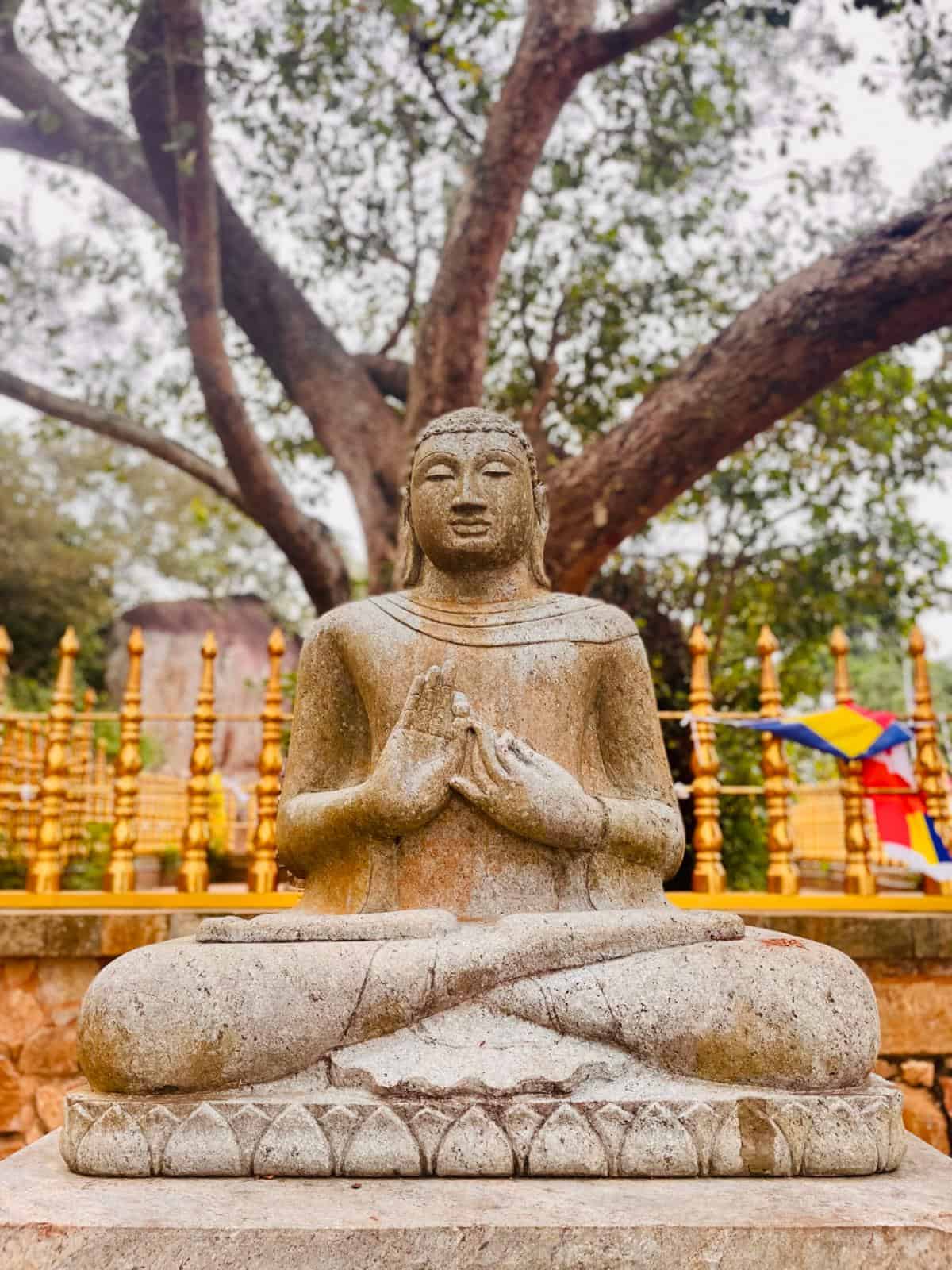
Sigiriya & Lion’s Rock
Traveling by train on this island is highly recommended if you want to step back in time and feel what the old English railroad era was like. Much of it remains unchanged and nostalgic. On less popular routes, you might get a seat, but there is also a good chance you’ll be standing for part of the journey. A small tip is to secure a spot by the doorway — fresh air, good views, and more space. Keep an eye out for empty seats, especially at larger stations. If you prefer comfort, book well in advance.
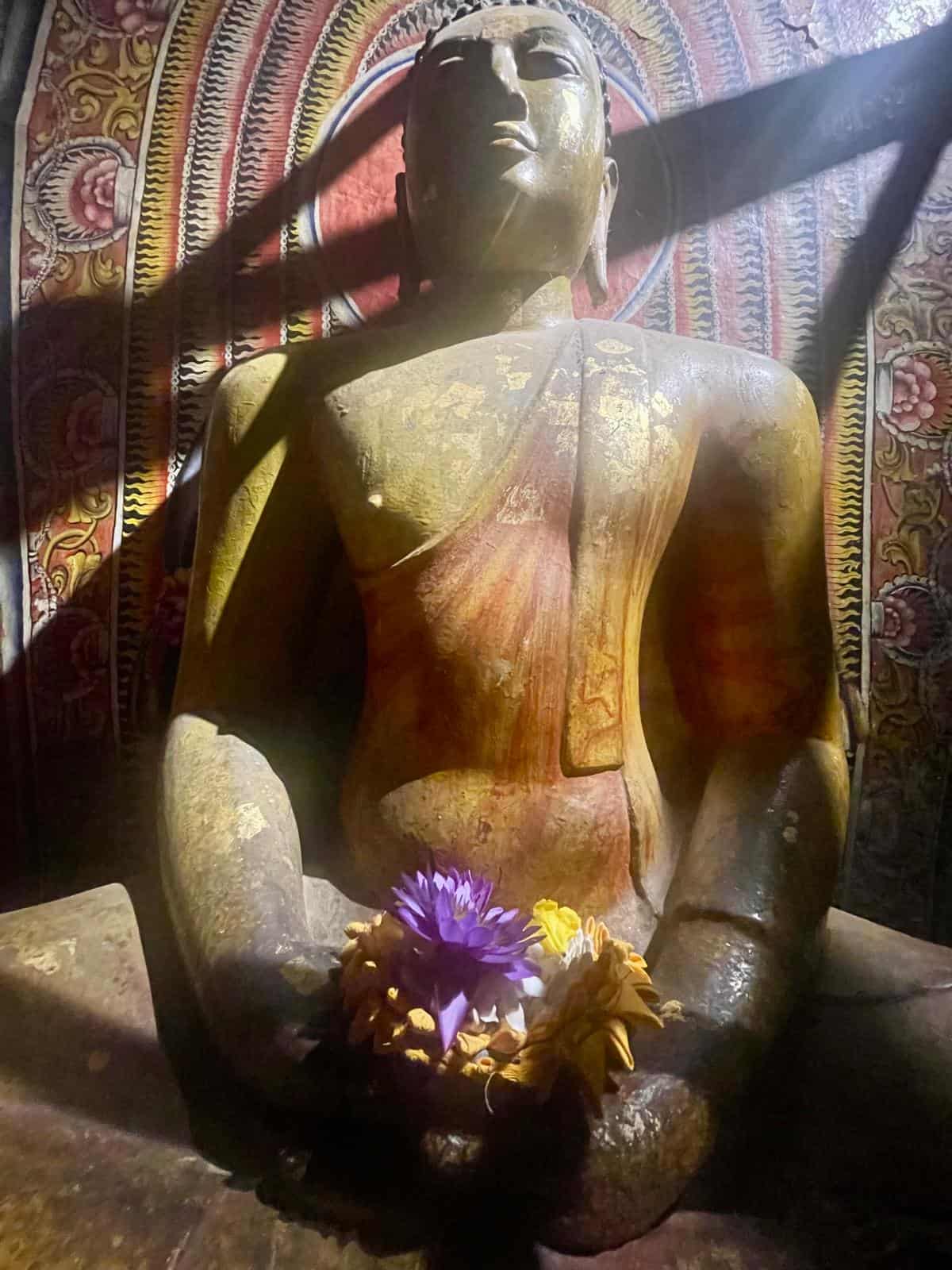
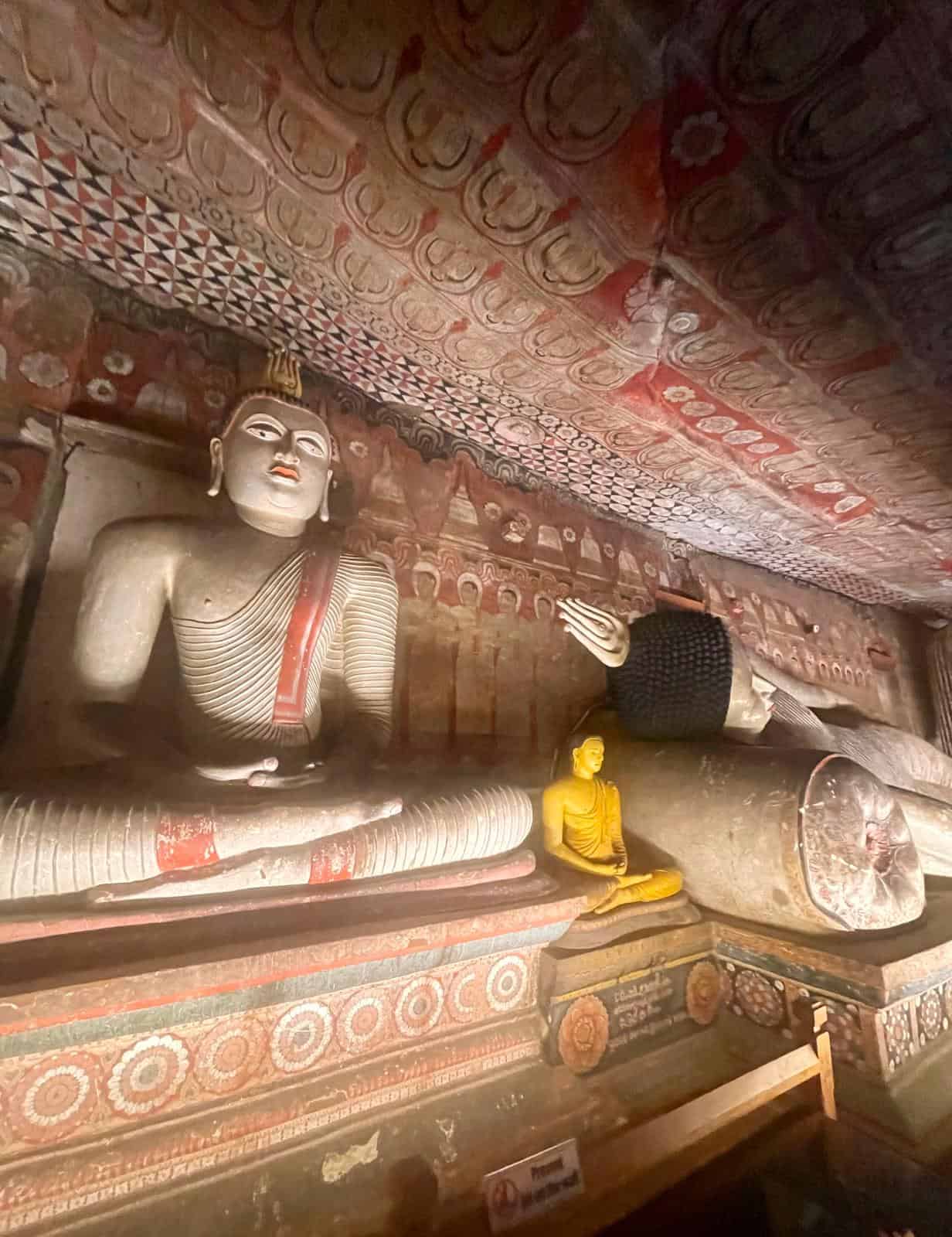
The train took me as far as Kurunegala, where a friendly local boy guided me to the bus station, where I could continue my Sri Lanka bus tour. Within minutes, I was on my way to Dambulla. This was a great place to stop for the night and a perfect base for visiting the Buddhist cave temple the following morning. From Dambulla, I continued by tuk-tuk to Sigiriya — an absolute must if you’re in the area.
Sigiriya is the center of King Ravana’s famous jungle fortress, Lion’s Rock. The entrance fee is steep at 11,000 LKR (around 35 USD), but the experience is worth it. A budget alternative is Pidurangala Rock, which offers an unobstructed view of Lion’s Rock and the surrounding jungle.
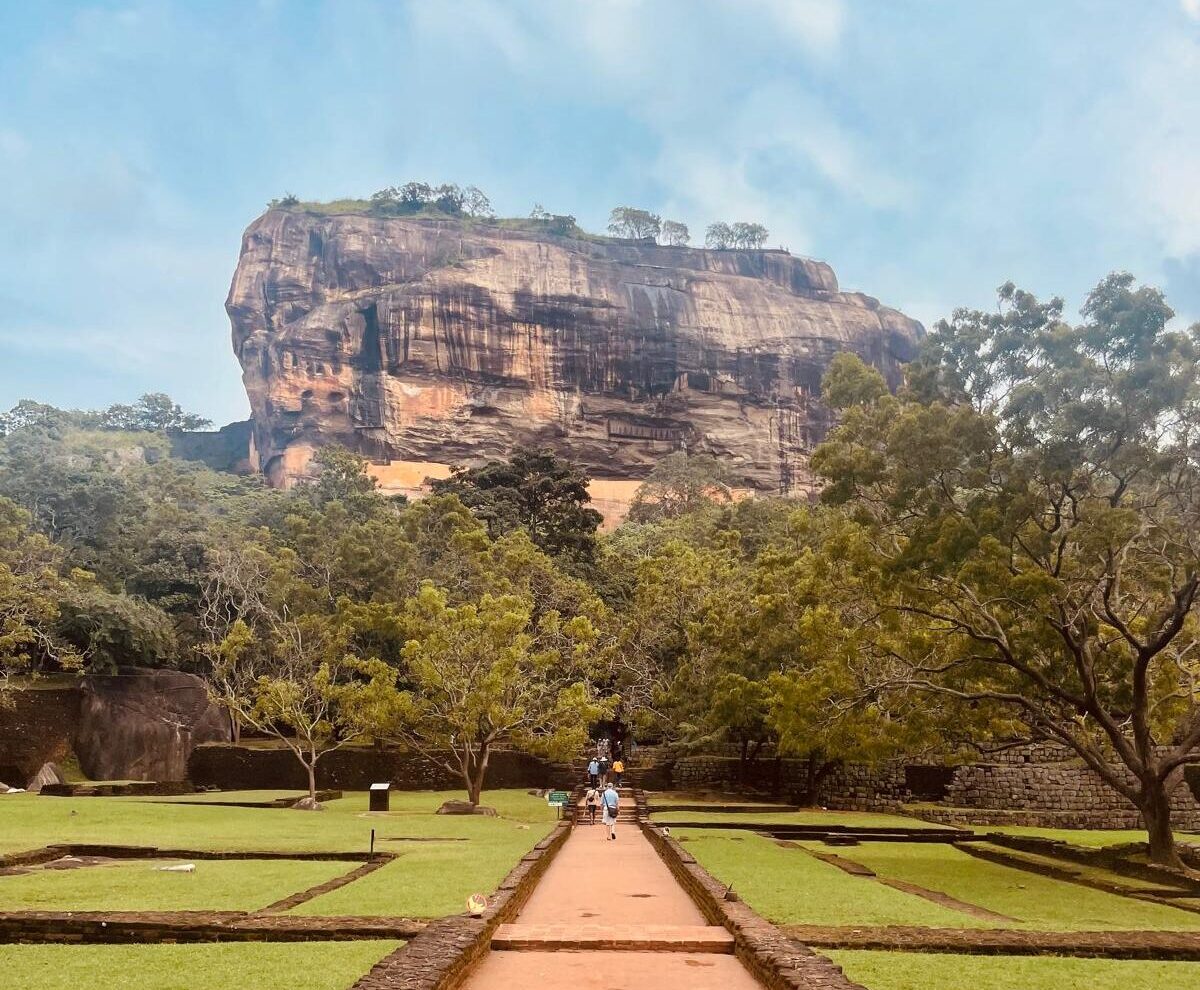
When choosing accommodation, stay a bit off the main road if you can. Chances are monkeys and peacocks will keep you company while you relax on the porch at your jungle stay. In the evening, there’s a small but decent food scene, so walk around and choose what looks good. Avoid wandering late at night — elephants with an attitude often roam the streets after dark. Crazy enough, there were 174 deaths from elephants in 2025.
The next leg of the Sri Lanka bus tour was Dambulla to Anuradhapura. Once the ancient capital and birthplace of Buddhism in Sri Lanka, Anuradhapura is also a major transport hub. I decided to push further north and save it for another time. The journey was tough: a packed bus and three hours of standing. There are, however, trains and air-conditioned buses available if you plan ahead.
If it’s your first time, take the local bus for a truly authentic experience. You might be standing with loud music blasting through the speakers, but it’s something everyone should try at least once. It will probably be one of the craziest bus rides of your life — say your prayers, go with the flow, and see how it unfolds.
Jaffna
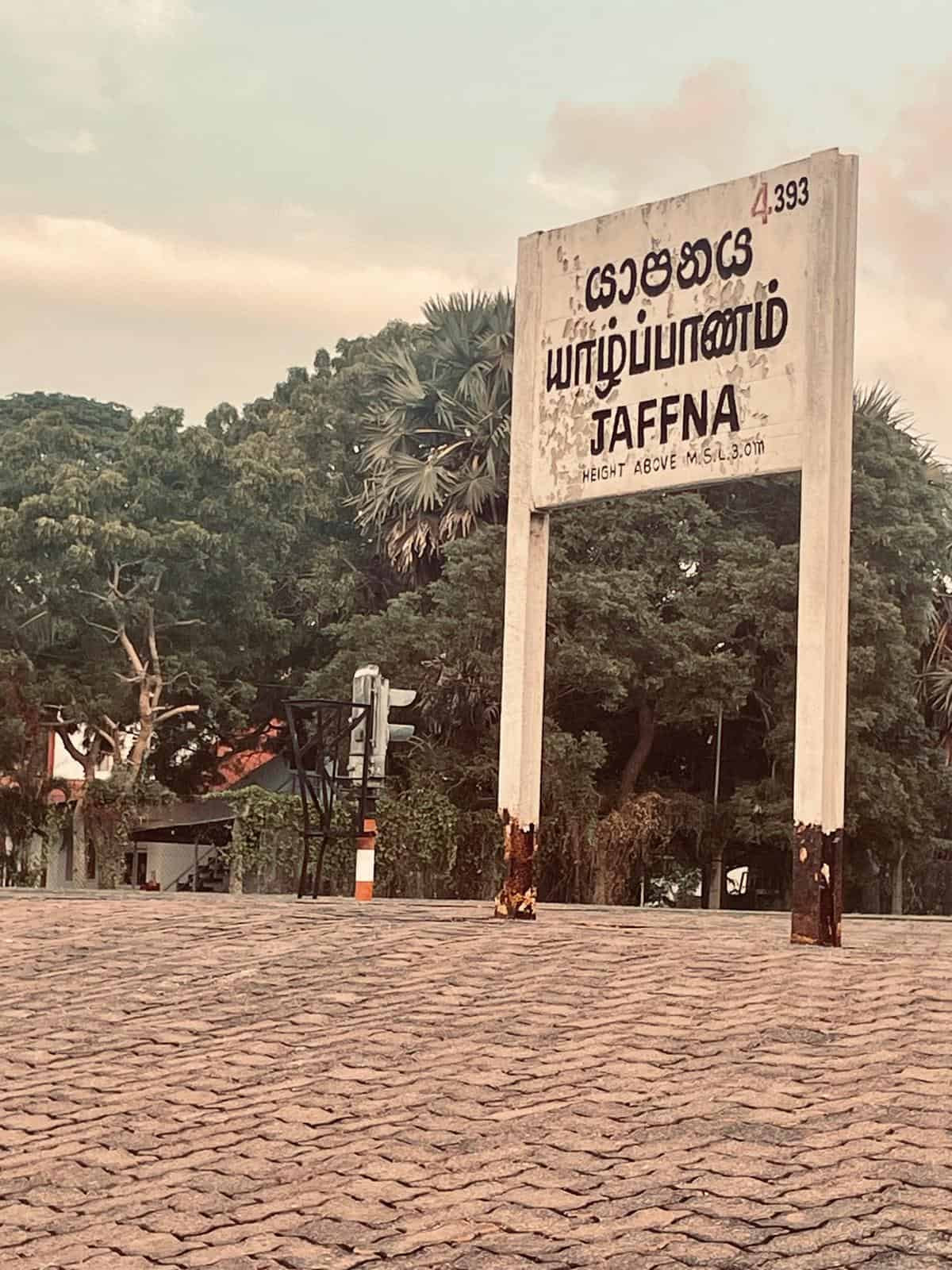
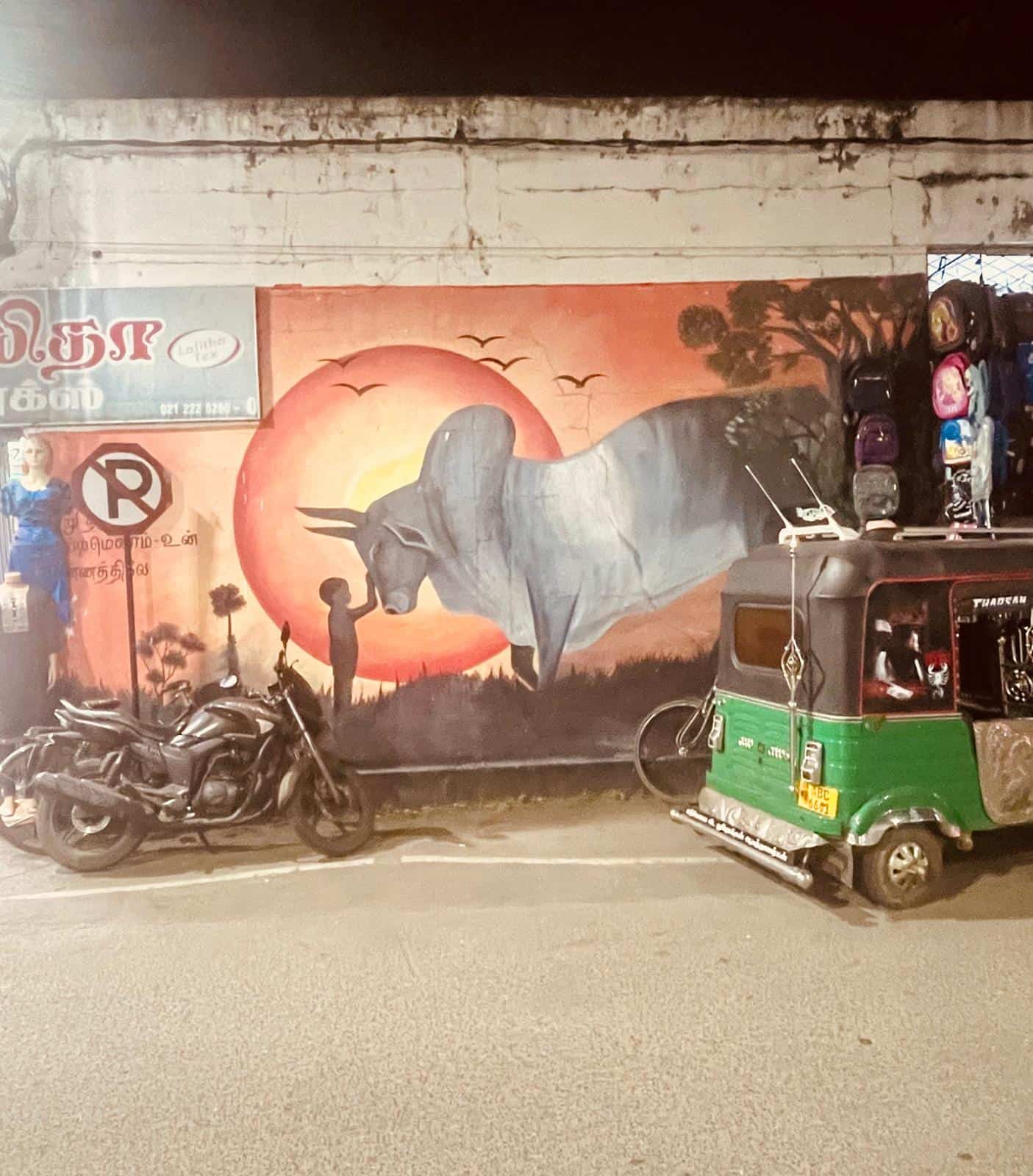
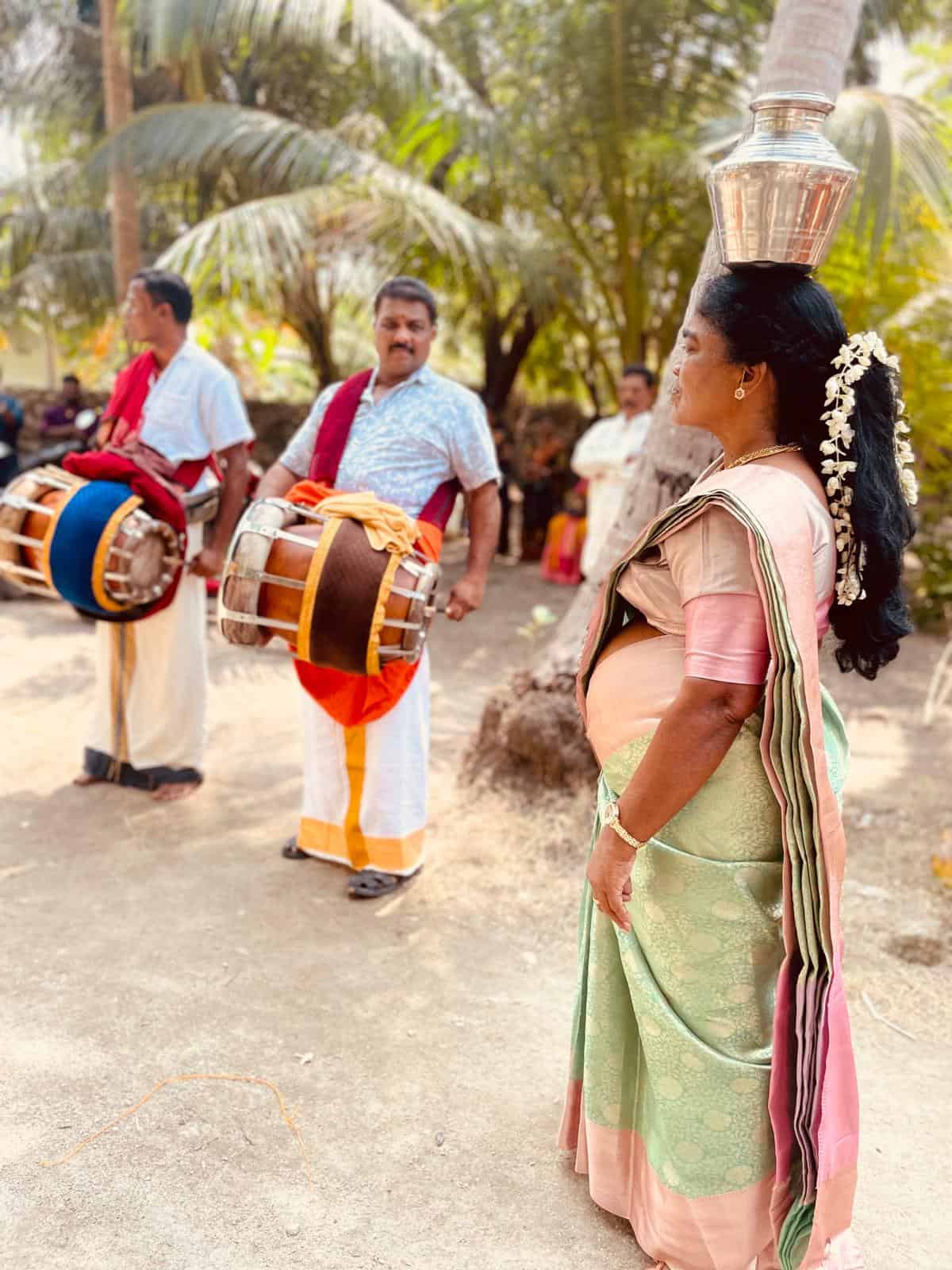
It’s clear who suffered most from the 30-year civil war during 1986 – 2009. Jaffna is underdeveloped, with poverty and hardship visible in the streets. It has a strong India-like street vibe. The city has charm in its ruggedness, and the cultural shift feels refreshing. In the south, Sri Lanka greets you with endless hospitality and warm smiles. In the north, you’re welcomed with curiosity, mixed with some skepticism due to language barriers and limited tourism. But offer a smile and a polite greeting, and the response is deeply rewarding.
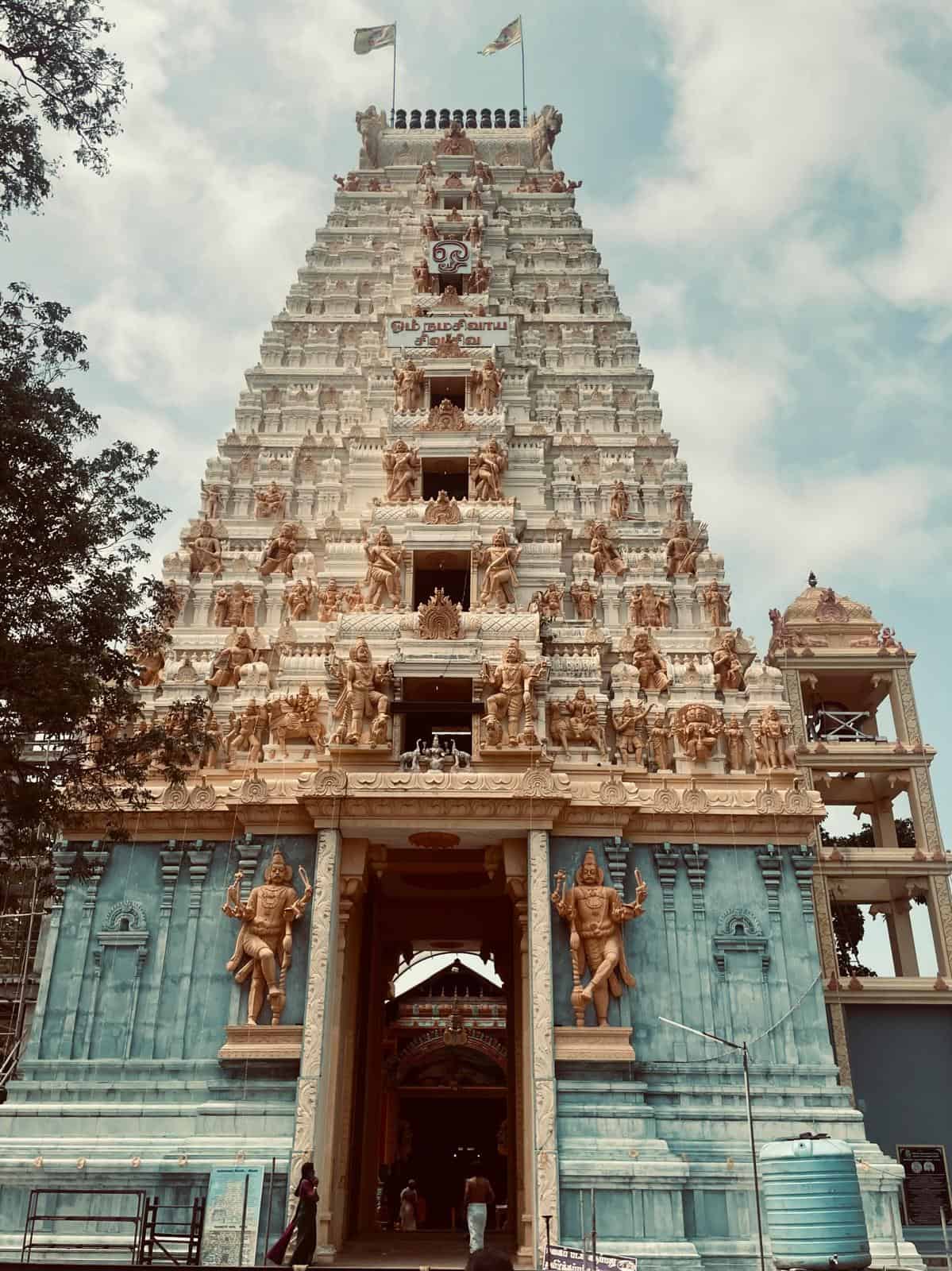
The experience feels more raw, less comfortable, and closer to India. Here you can visit some of Sri Lanka’s most important Hindu temples and bathe in holy thermal springs nearby. Don’t expect endless options — take what’s available. There’s always room for a masala dosa between meals, the northern Indian equivalent of the veg roti in the south.
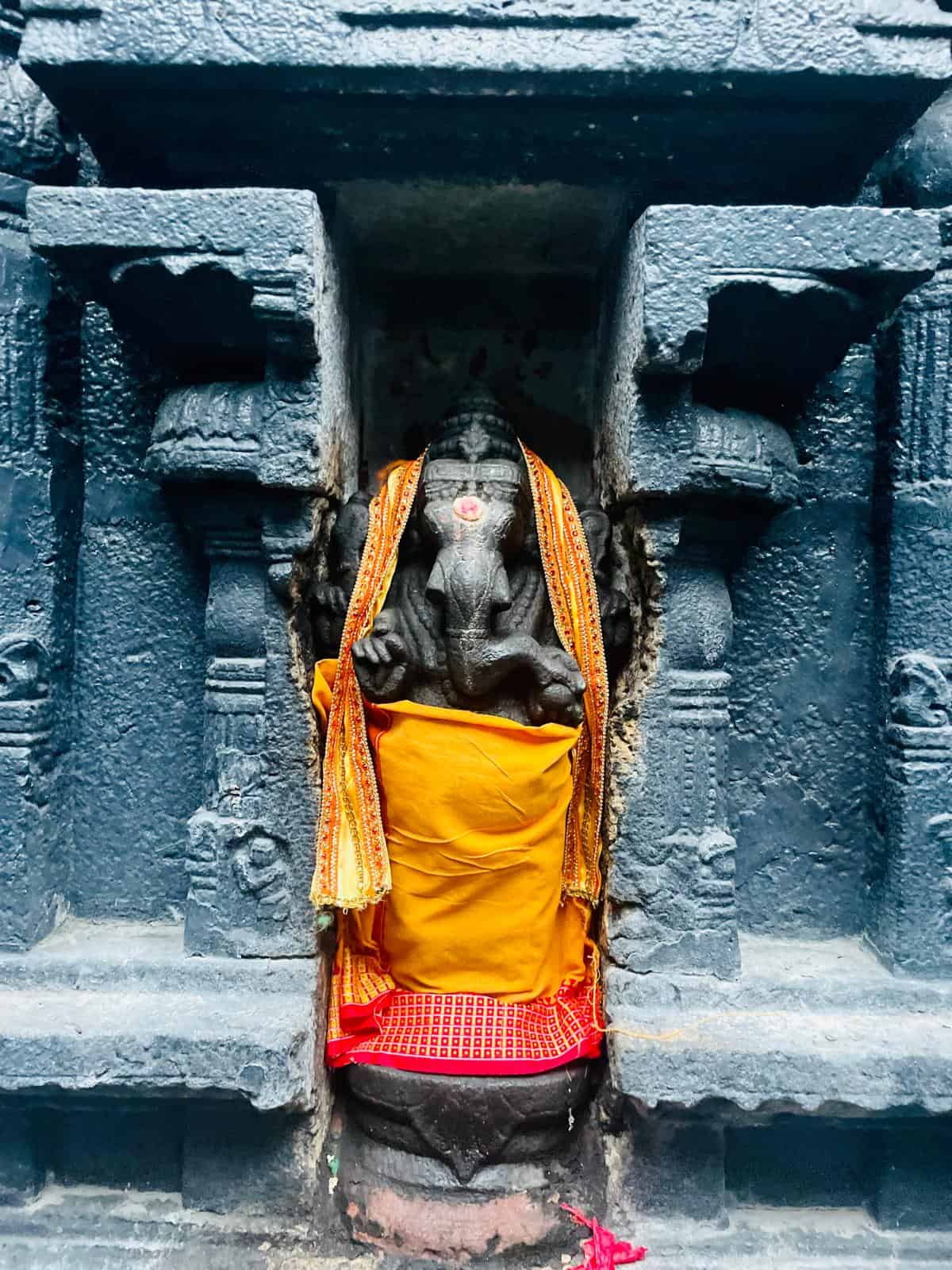
The beauty of it all is the break from mass tourism. It attracts a different kind of traveler and feels like exploring something still unknown. It takes a few days to win you over, and much of it happens in the streets, shops, and markets with the locals. They want to know where you’re from, why you’re there, and they love to feel that you’re taking your time. It’s truly special and ends up feeling like a privilege to be there.
Isn’t this exactly what we’re looking for on the road?
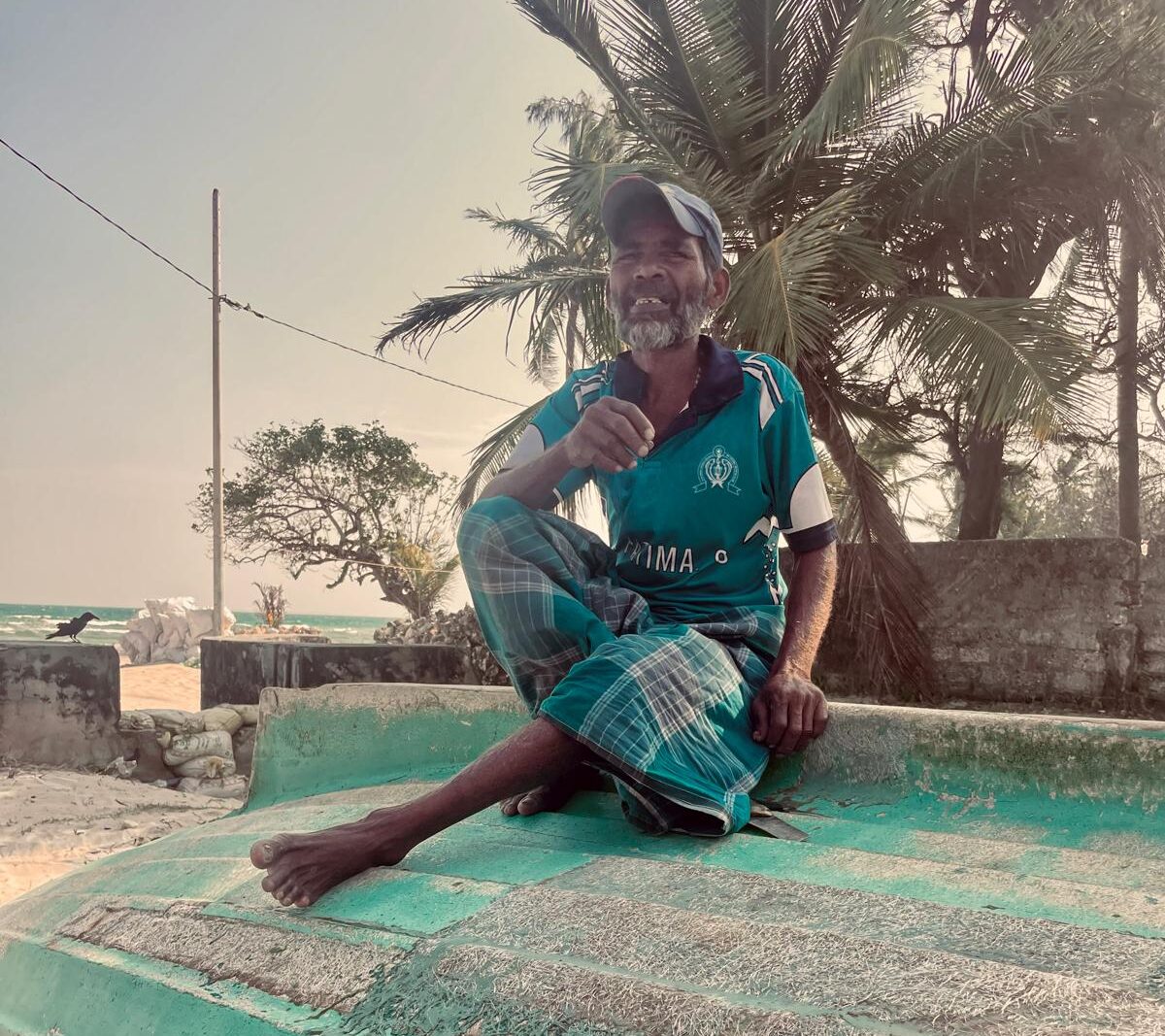
Delft Island
What if you need a break from the hard realities of Jaffna’s city life and want to escape to a natural paradise for a few days? Step away from the tourist trail and experience a serene, secret island.
Delft Island is the place to go. Just a short one-hour local bus ride from Jaffna takes you to Kurikadduwan, where the free government passenger ferry waits to take you across.
It’s a steamy, hot ride on the iron ferry run by the navy. This is offered as a free transport option to the island, but a place on board is not guaranteed. There are 100 seats, and locals get priority. It’s actually kind of lovely to see tourism and Western privilege having to step back in line. It might also be one reason the island still feels unspoiled and not yet shaped by tourism.
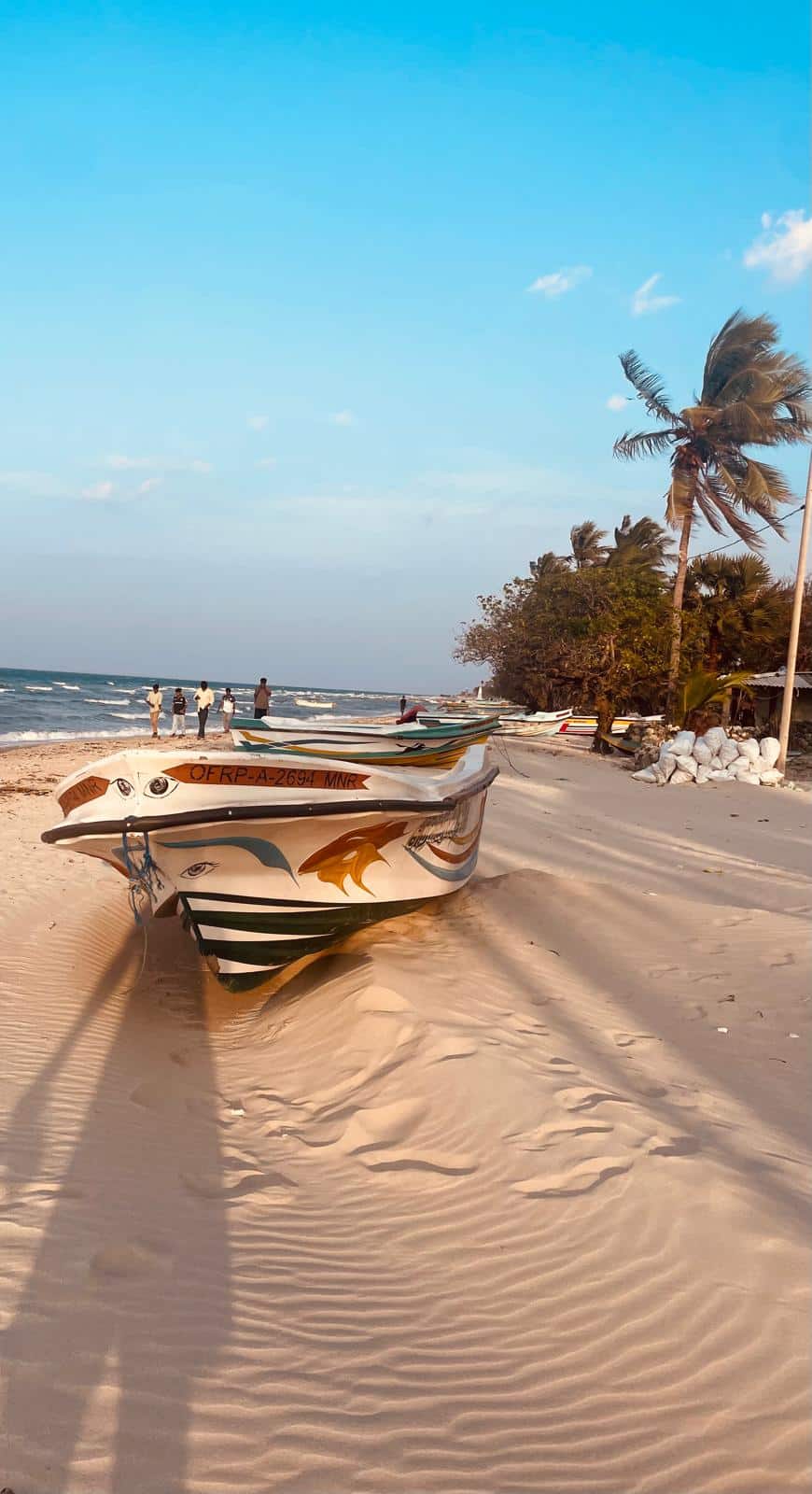
If you can’t get on, like me, gather your fellow travelers and book a private boat together. They’ll charge around 35,000 LKR (111 USD) for the boat hire with some room to bargain. In the end, we paid 875 LKR (2.80 USD) per person for a one-way trip after splitting the cost, so it worked out, like it always does.
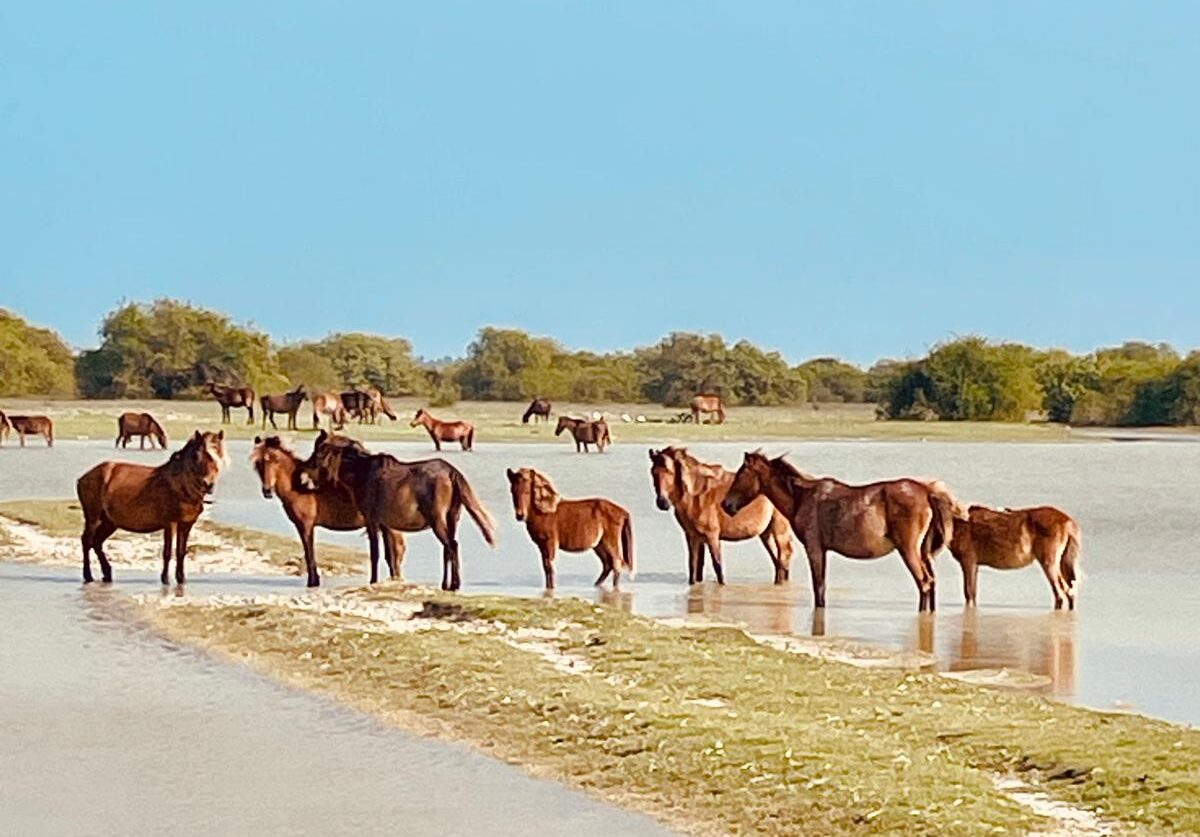
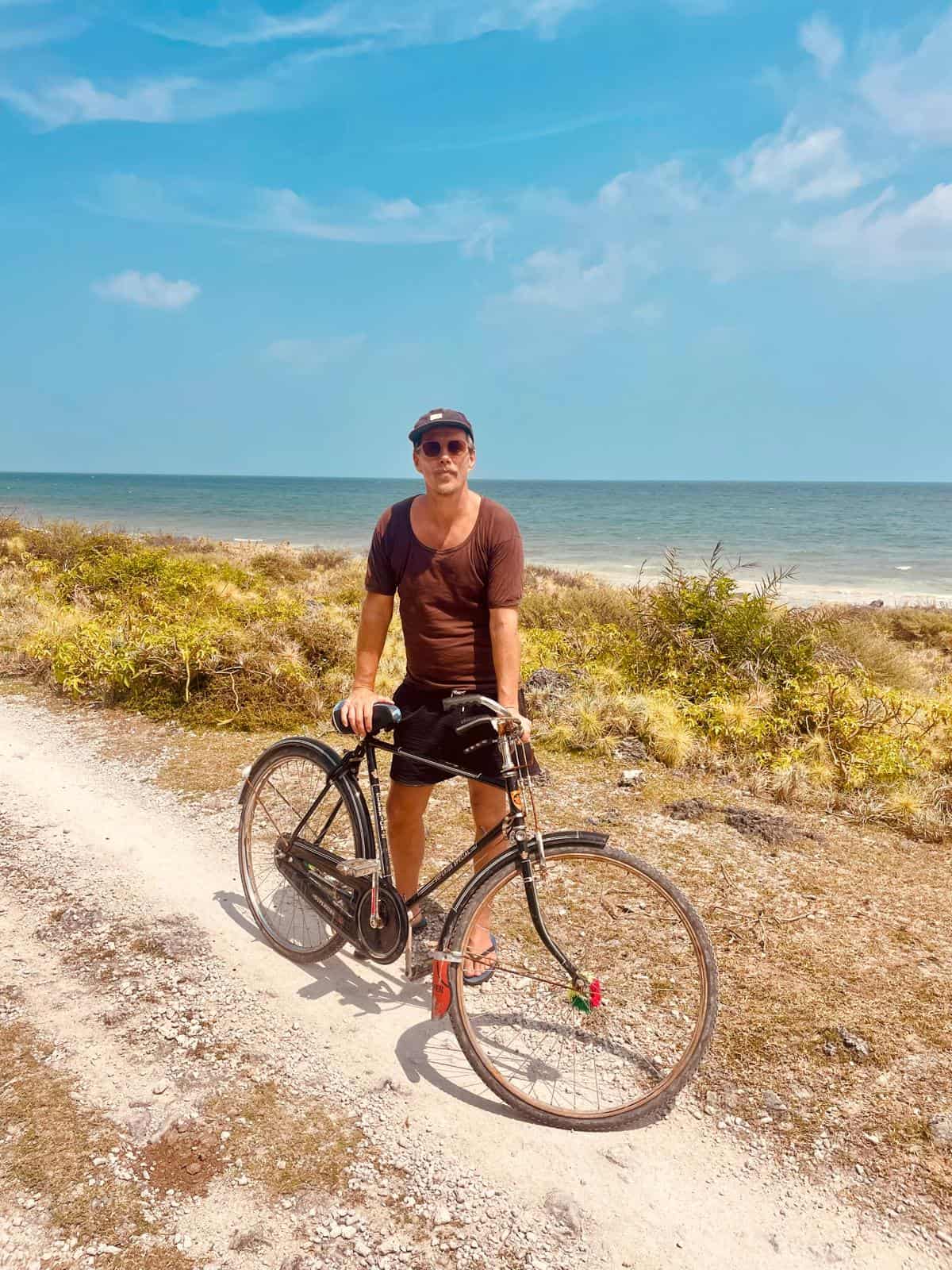
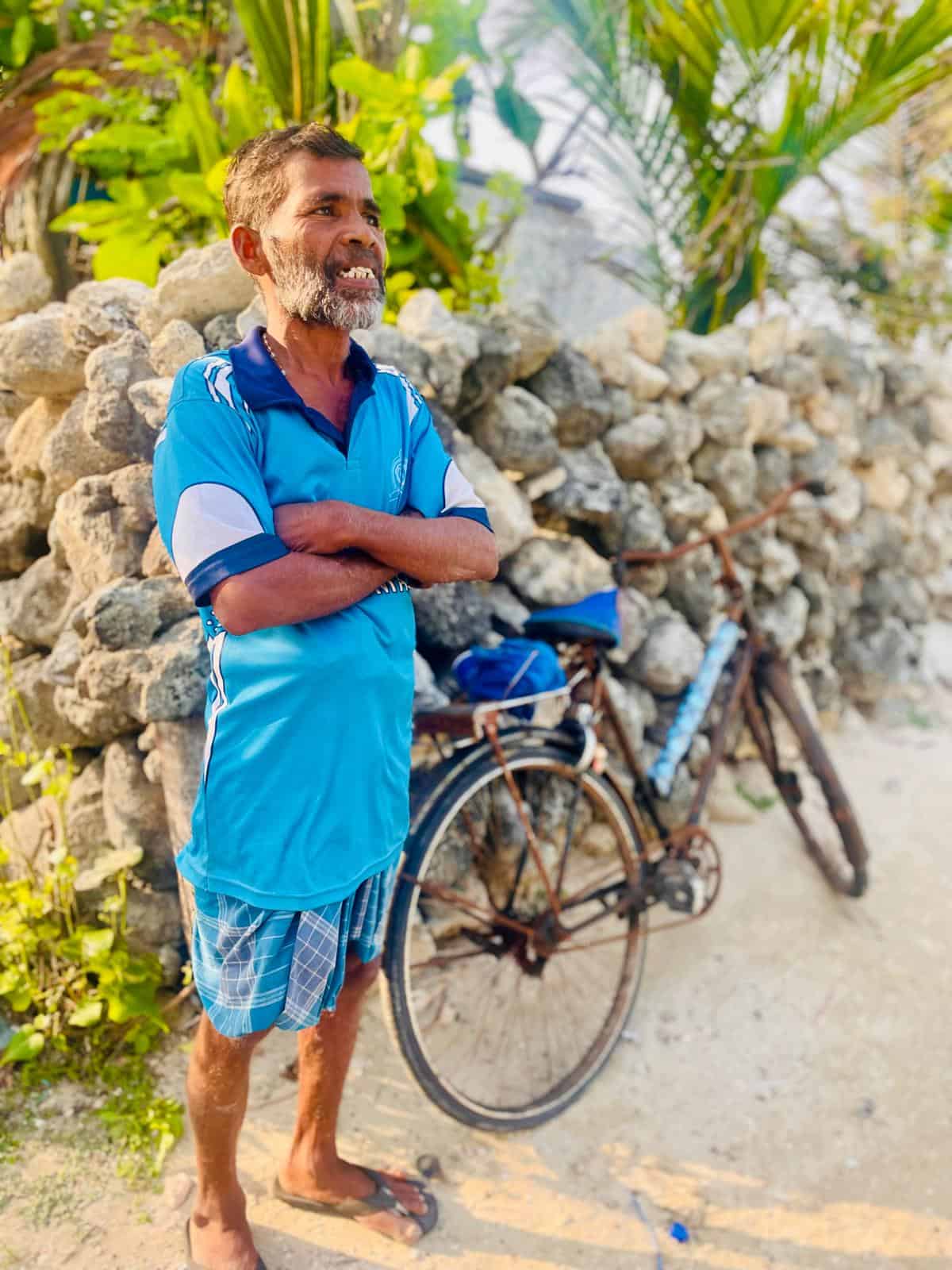
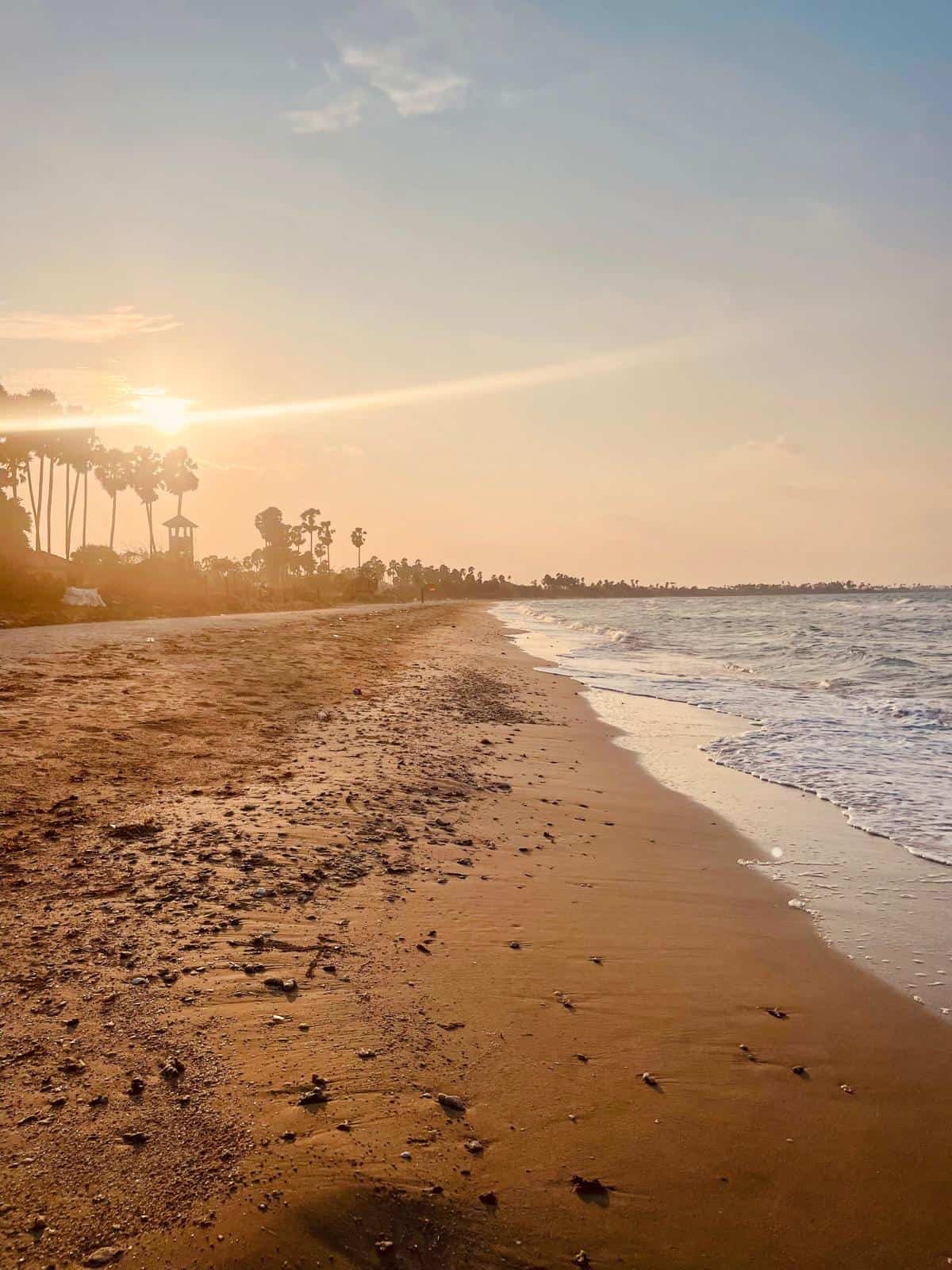
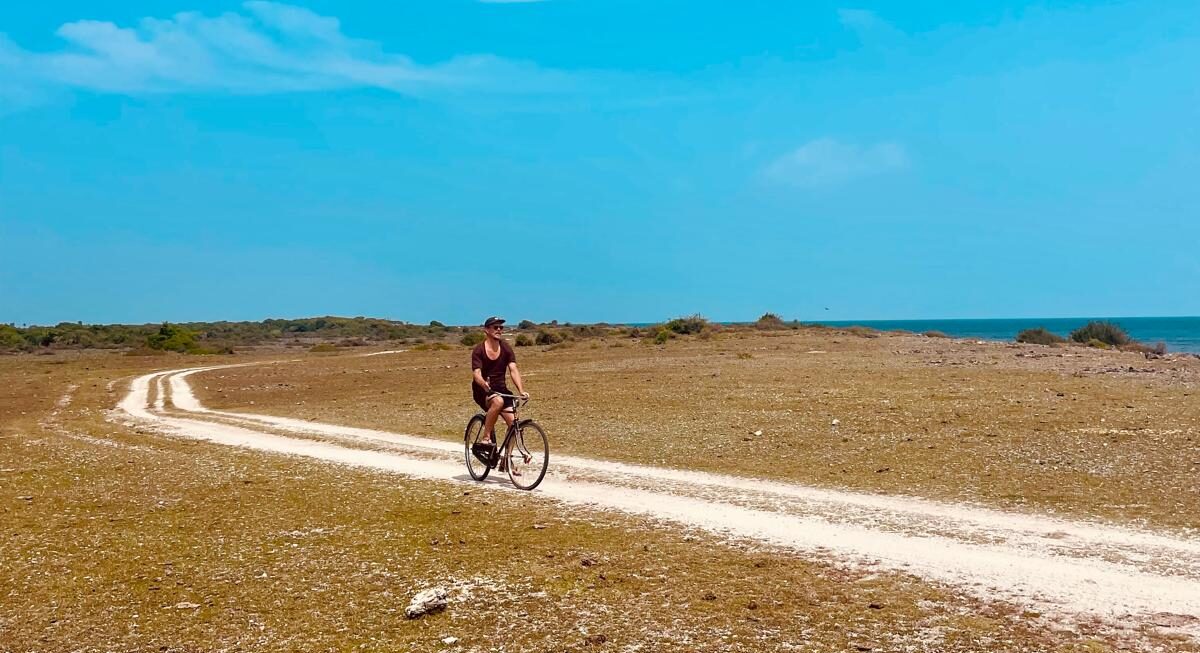
The island has a couple of community-feel camping options that will put you in the right mindset. They offer tents draped in palm leaves, and both serve excellent organic food. Bicycles are the way to go, and old-English-style versions are offered by both places so you can do it in an old-school gentleman-or-lady-type way. Let yourself land into the slow island groove for a few days. Here you can enjoy a whole beach by yourself, run into a tribe of wild horses, and get an idea of what an island community feels like. They seem perfectly fine with things being just as they are, even though you might see endless possibilities for great property value and business ideas. The beauty of letting things be, and being happy with how life is, seems to dominate.
Heading South Again
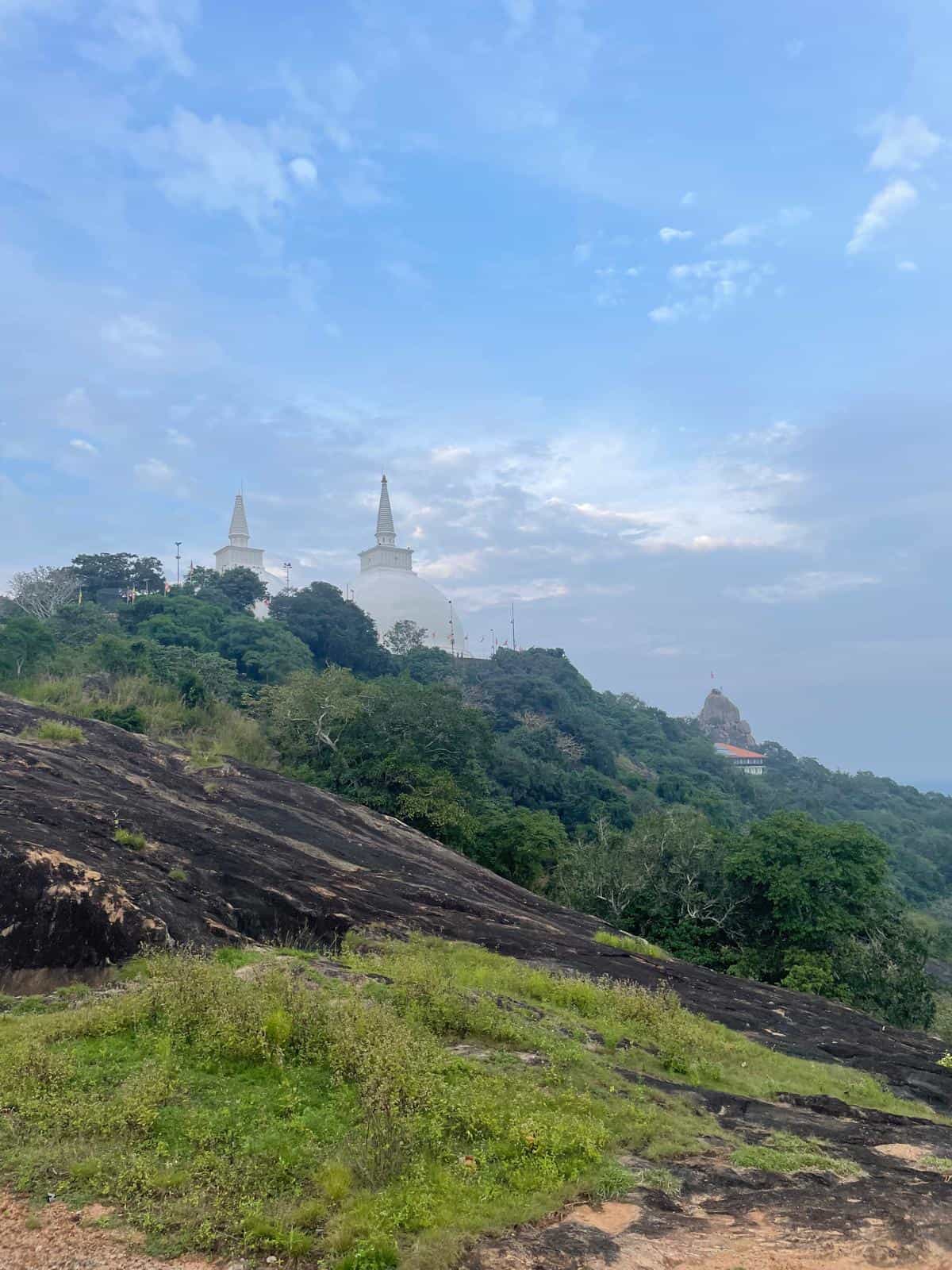
If your way is not down the eastern coastline, all roads lead through Anuradhapura. So, fortunately, since I rushed through on the way up, the ancient northern capital was open for exploration. The local heroes hustling for your business will start giving you deals when you get off the bus, and you might be up for a good one if you bargain a bit.
Many places offer bicycles for exploring the sites. It’s a good option, as the city is surrounded by nature and important Buddhist sites dating back to the origins of Buddhism on the island. If you, however, just have a day to do it all, get a deal with a tuk-tuk or taxi to take you, wait, and bring you back to your hotel. The main sites are a 30 to 45 minute drive outside the city, and they already have the whole setup in place. Pick you up, give you a couple of hours, let you see the sunset on top of the mountain, and bring you back satisfied in time for dinner.
From Anuradhapura, it had all been a little unclear which direction to head next. I had been building up an appetite for a safari, and the north is home to one of the big leopard national parks, with much less tourist action than, for example, Yala in the south. It was very tempting. Only 45 minutes driving to the west will take you right to the gates of Wilpattuu National Park.
There are no buses, so you’ll have to make a deal with a private driver. When you get there, there are park entry and jeep rental fees. If you are traveling alone, this can present a cost dilemma. The drivers are great at making phone calls, trying to make a private deal, and seeing if they can get you in with a group to help you decide whether cost is a factor. It was close, but unfortunately, they didn’t have a group available for two days, so I made a decision: drop the leopard and head south to Habarana by local bus for an elephant safari the following morning in Hurulu National Park.
By then, I could feel the coast starting to call again, so I stayed in Habarana for just a day. Still, I have to pass on one small recommendation from a place that doesn’t offer much beyond jeeps and safari. If you feel like stretching your legs, take the little road circling the lake. Somewhere along the way, you’ll probably hear distant OM chanting drifting out of the jungle. Follow the sound. Hidden among the trees is an herbal treatment center built in an old-school village style with clay, bamboo, and palm leaves. I won’t spoil the surprise, but it was easily the most memorable treatment I had in Sri Lanka.
Later, when evening approaches and your stomach starts making demands, resist the pull of the western-looking restaurants with big signs and empty concrete halls. Instead, go where the locals eat. They’ll serve you a full curry meal with coconut roti until walking out becomes a challenge. It costs a third as much and delivers a far richer experience. In Sri Lanka, you rarely meet hostility — just curiosity, kindness, and smiles if you approach people with the same. Go local!
Arugam Bay
I had heard so much about Arugam Bay, the surf mecca of Sri Lanka. The place where it all started, the beaches with the biggest breaks. Everyone was also very clear about one thing: the season runs from April to October, both for the surf and the weather. Still, I couldn’t help wondering—how bad could it really be? We are on an island, and this is basically just around the corner from the southern beaches. It can’t be that different from the tropical heat and endless sun I had just left a couple of weeks earlier. I decided to go.
As I arrived by bus on the outskirts of Arugam Bay, I was surprised by how much everything had changed culturally. It was predominantly Muslim from what I could see, and people seemed both surprised to see me and a little eager for my business.
After the long, bumpy bus ride, I needed to use the bathroom, and a kind local guided me to the nearby mosque. He asked me to remove my shoes before stepping into the area and handed me a pair of temporary sandals. An elder nearby had a hesitant remark, but the younger man responded calmly—something along the lines of helping a traveler in need. ‘He’s been on the road,’ I imagine he said. ‘How can we refuse him?’ The older man nodded in acknowledgment. It was a small moment, but one that stayed with me. This was during Ramadan, which is always a special time to travel through Muslim communities. It often opens a deeper understanding of daily life and practice — something that is easily misunderstood from the outside.
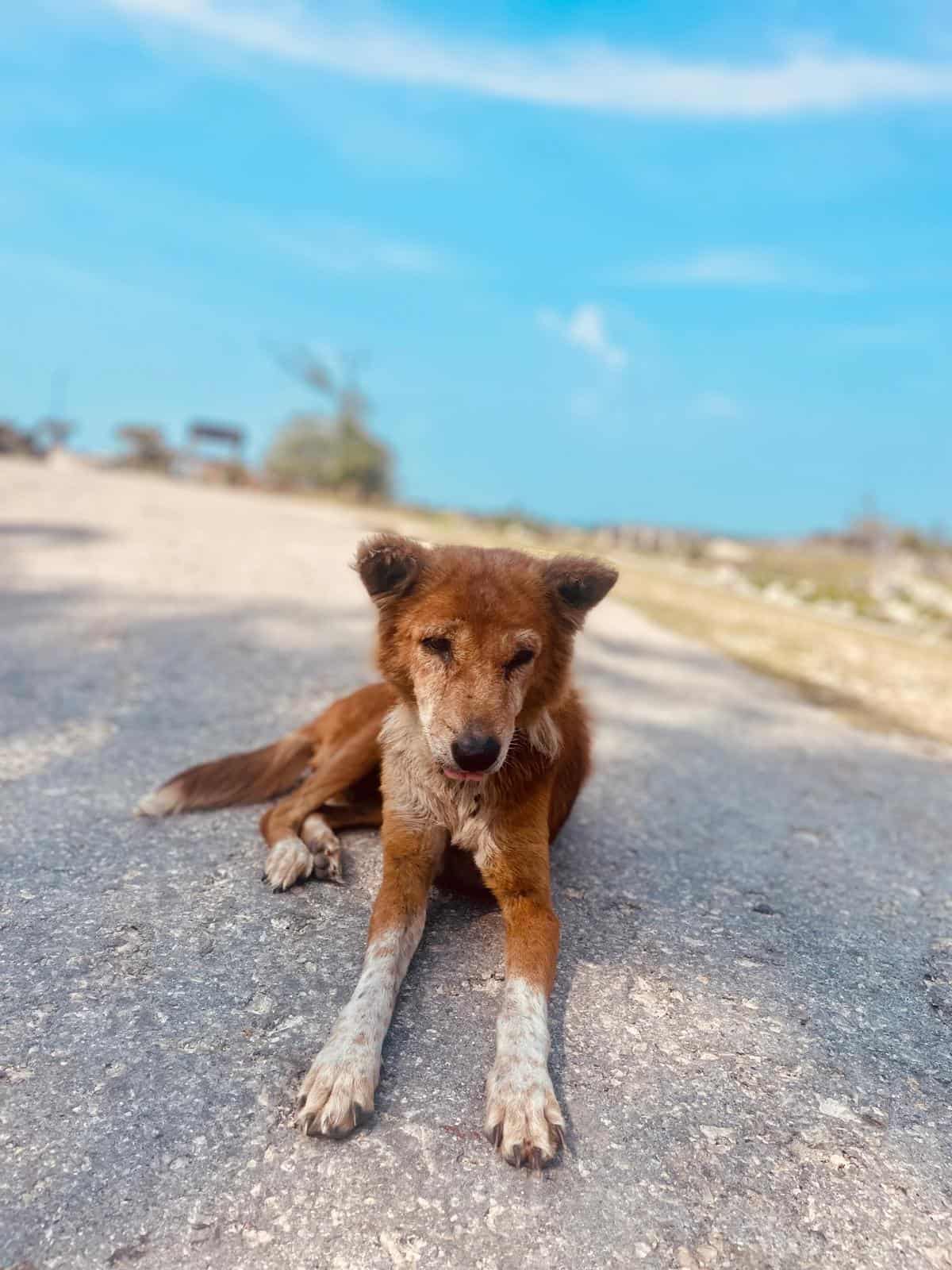
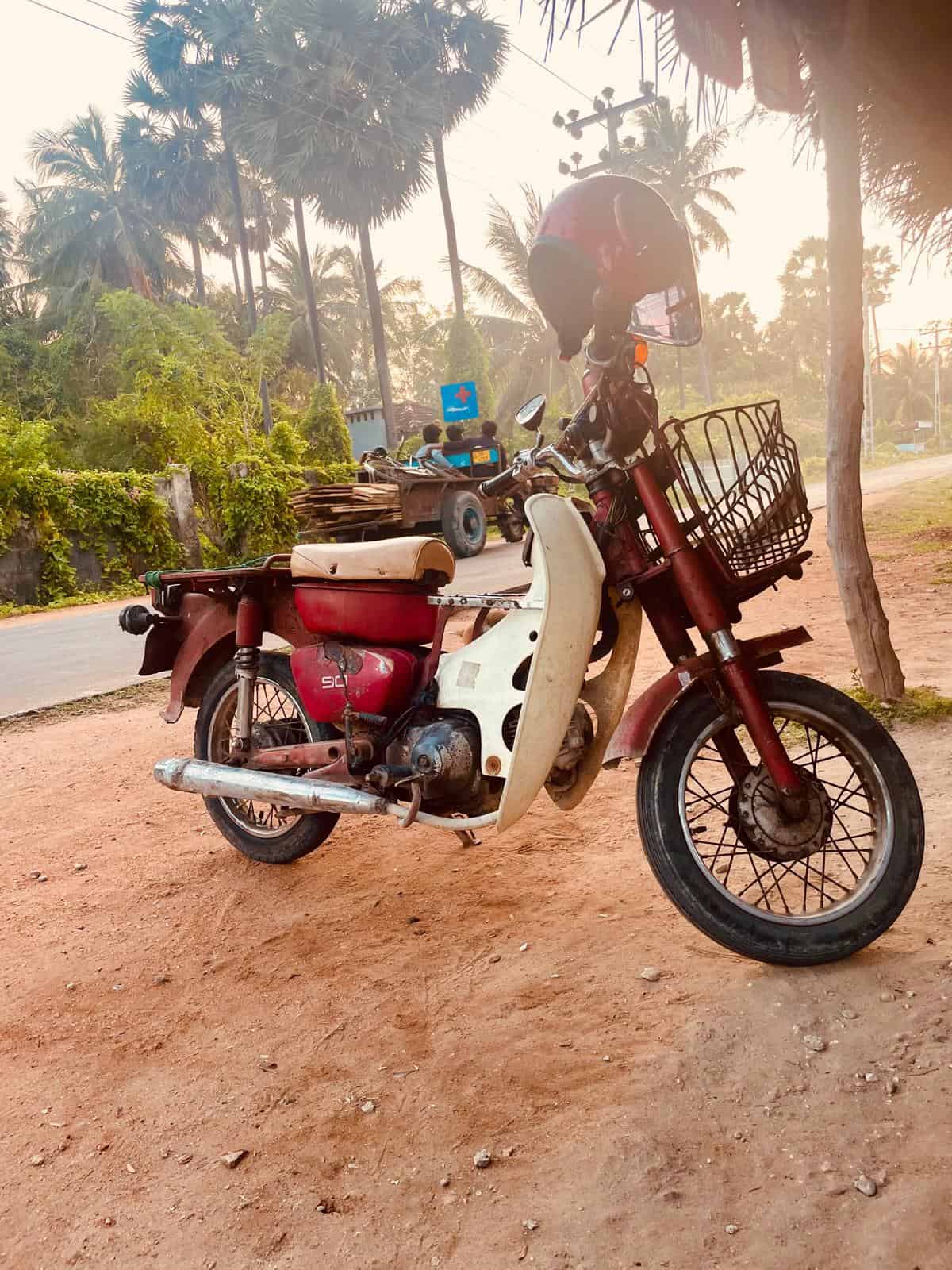
About an hour later, a tuk-tuk rolled me into Arugam Bay. How strange, everything really was closed. The whole place felt dormant, as if it was waiting for something to begin. I walked around to the few places that were open. The people were welcoming, happy to see a guest out of season, and quick to confirm what I had already started to understand: in Arugam Bay, nothing really starts before the end of March. Including the waves. There was one small light of hope, a mellow little break on the right side of the beach called Baby Point. The surf shop owner filled me in on the different breaks, when it all works, and how the season unfolds. He offered me a board for the next day. But the truth was clear. Both waves and social life were still asleep, waiting for April to wake them up.
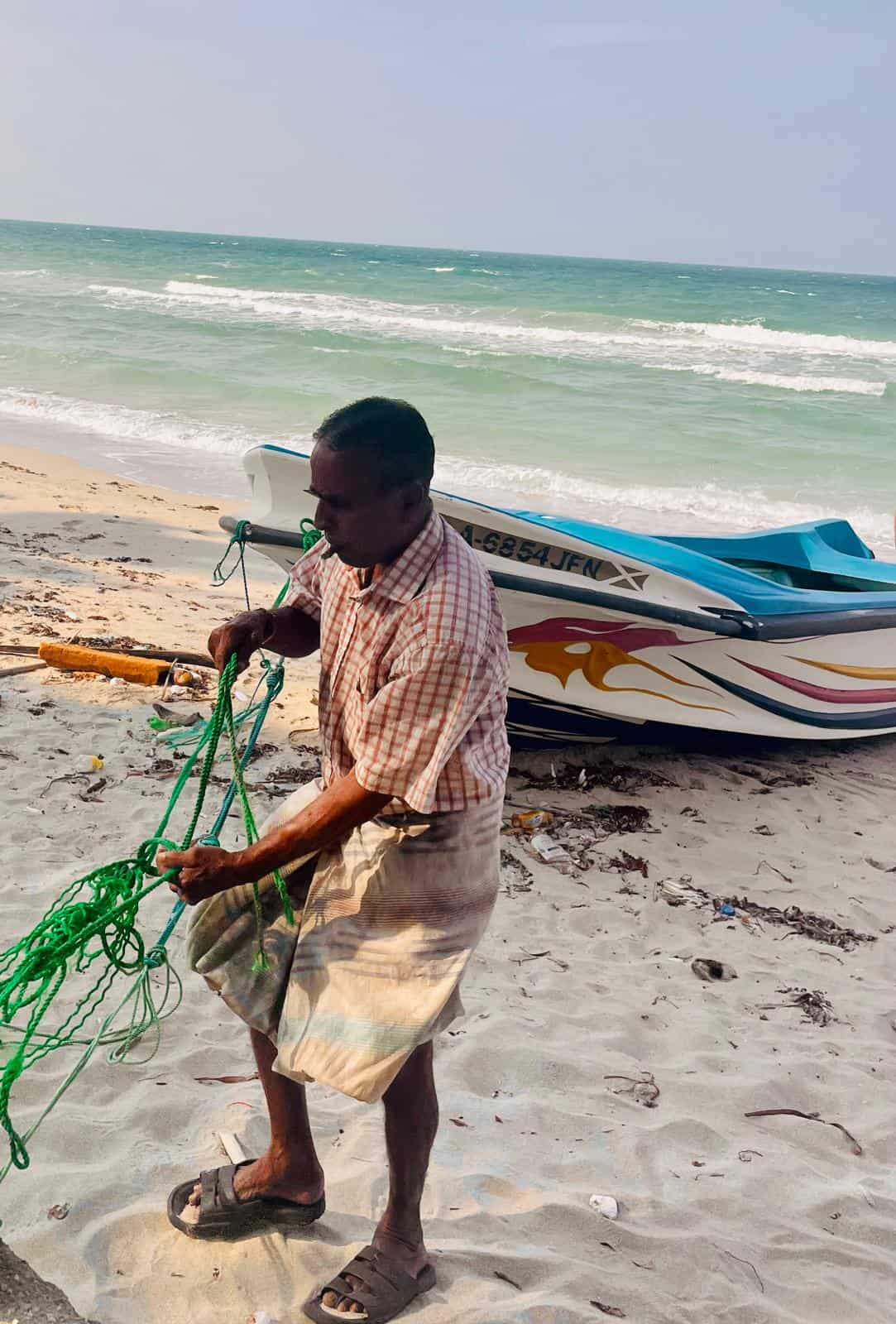
I took a long walk along the beach. It reminded me of old, rugged Goa. Not pretty like a postcard, but a little rough around the edges and full of charm. Fishermen moved slowly between their boats, going about the routines that have always defined this place, long before surfers arrived and put it on the map. It started to rain, but I didn’t mind. There’s something special about seeing a place out of season. It strips things back and shows you what’s really there. It wasn’t lively or exciting, but it was honest.
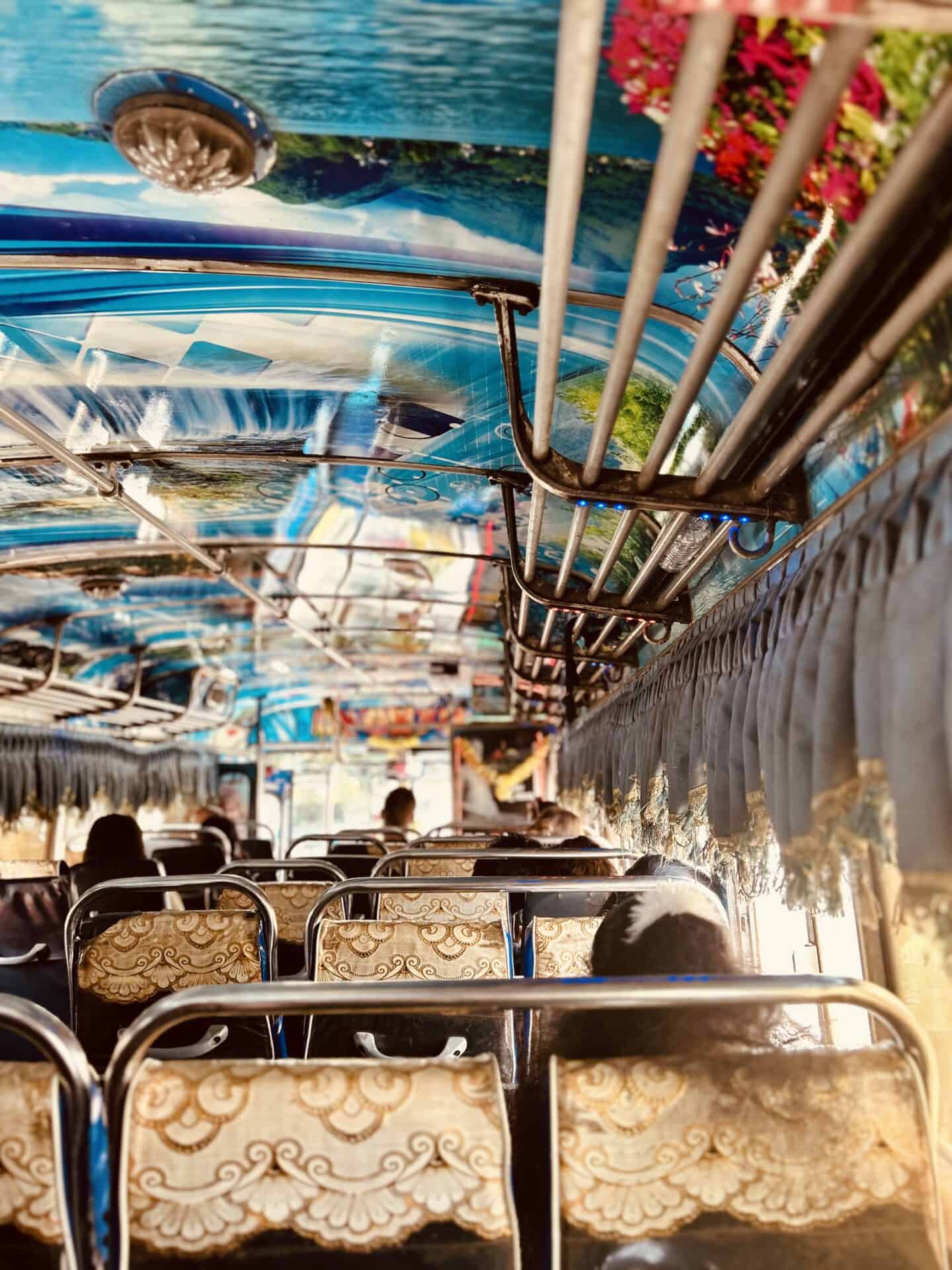
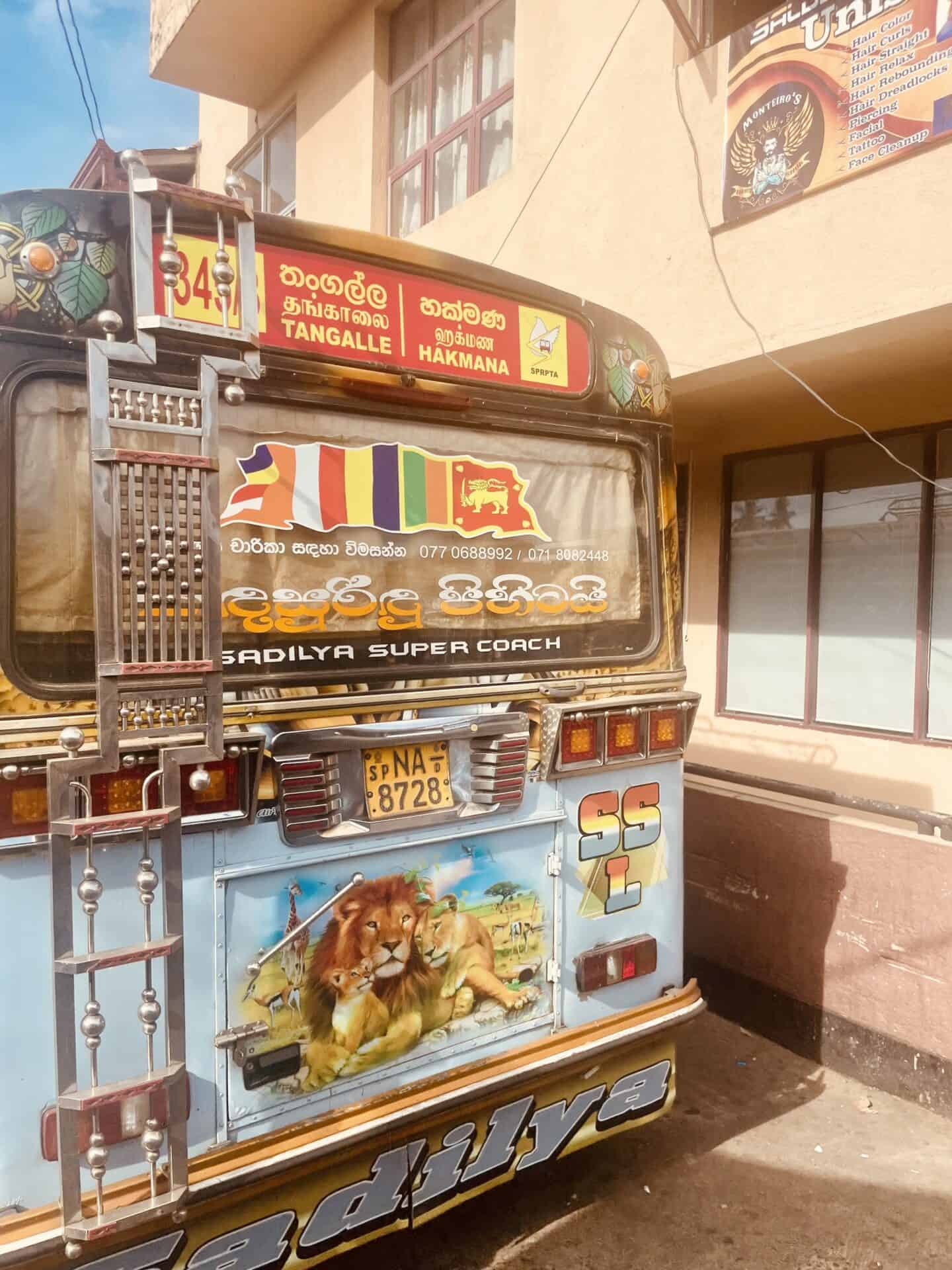
Slow days, small conversations, and locals simply passing the time while waiting for the season to return. Not pushy, just a gentle ‘you like this?’ here and there. For a brief moment, the sun broke through the clouds, casting light over the beach. You could almost see what it becomes — cleaner, brighter, alive with people and waves rolling in. A place that moves for six solid months before settling back into stillness again.
The next morning, I woke up to heavy rain, no waves, and a growing urge to move on. The plan, as usual, was loose. I had hoped to follow the coastline, but quickly realized that wasn’t really possible. There are stretches where roads simply don’t exist. So instead, I cut inland, skirting around Yala National Park and aiming to connect with one of the more scenic secret bus routes in this part of the country.
Onward with the Elephants
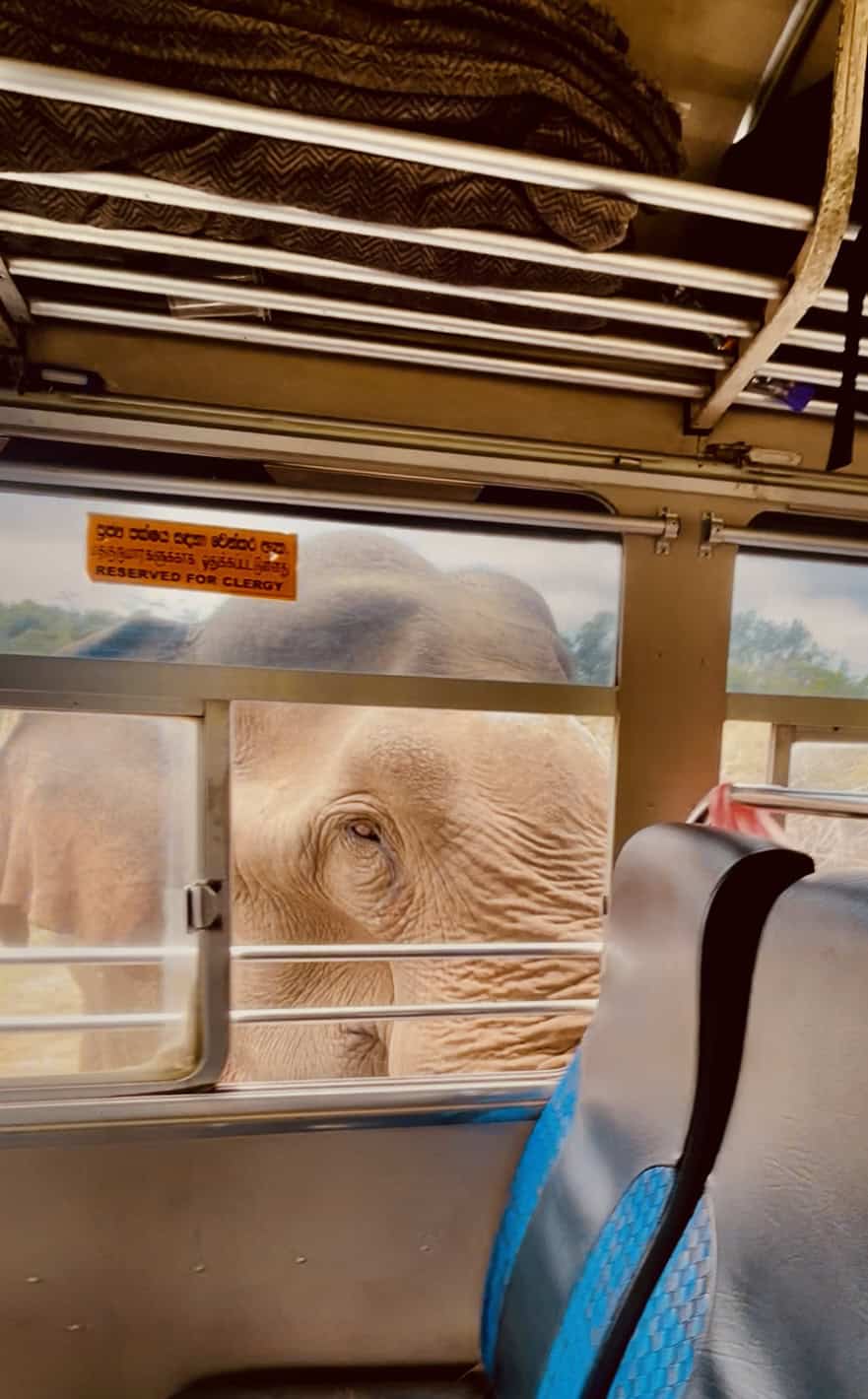
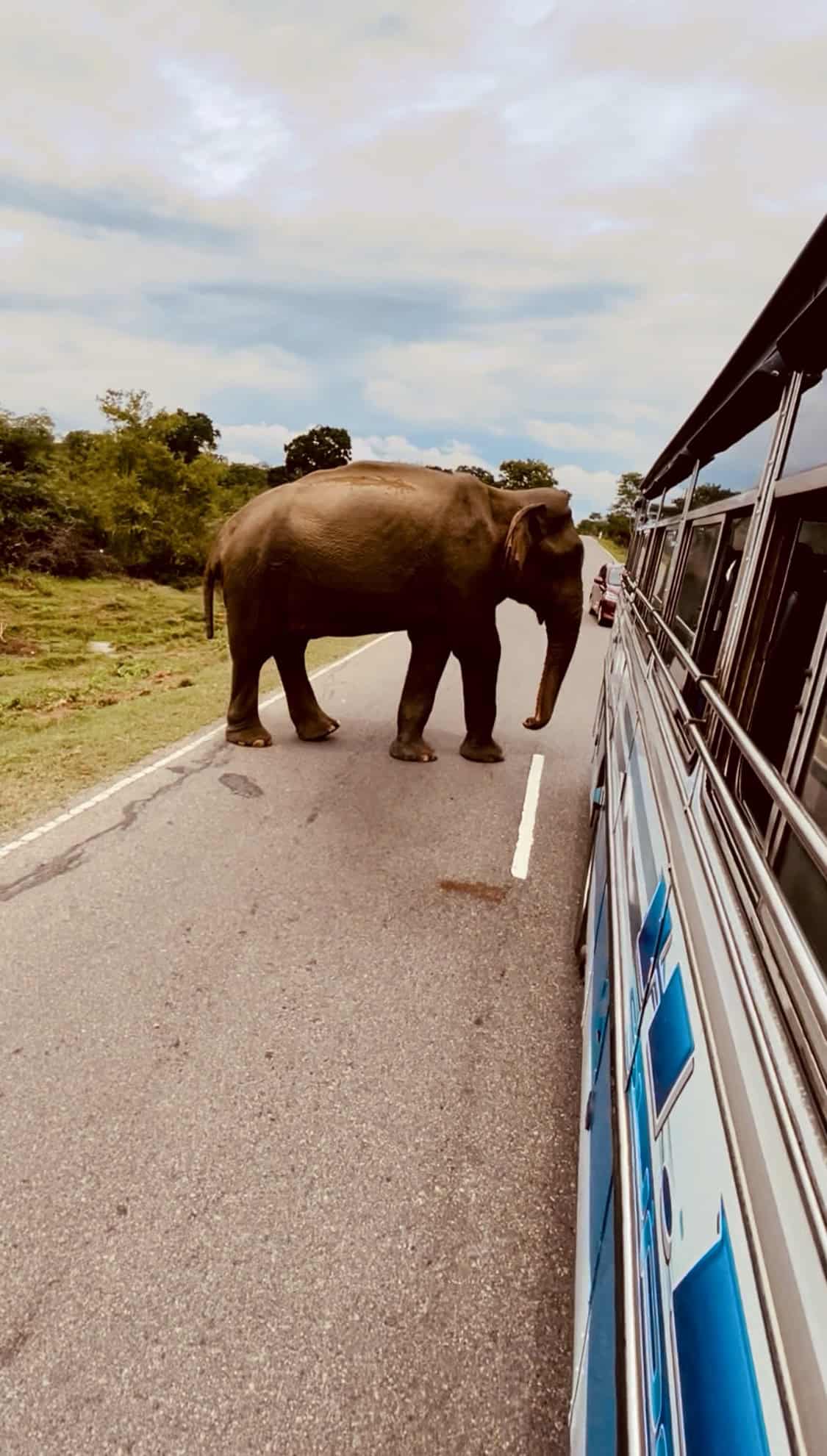
The route from Buttala to Kataragama turned out to be exactly that. A short ride, but one of those unexpected highlights. At one point, the bus came to a full stop. An elephant stood calmly in the middle of the road. Then another. And another. Three encounters within minutes. I was wide awake, glued to the window. The locals barely reacted. For them, this was just another ride home.
Kataragama didn’t offer much reason to stay, and with a bus to Matara leaving in under an hour, the decision made itself. Just enough time for one of the many rice and curry meals before jumping back on the road to complete my Sri Lanka bus tour.
Goodbye from Hiriketiya
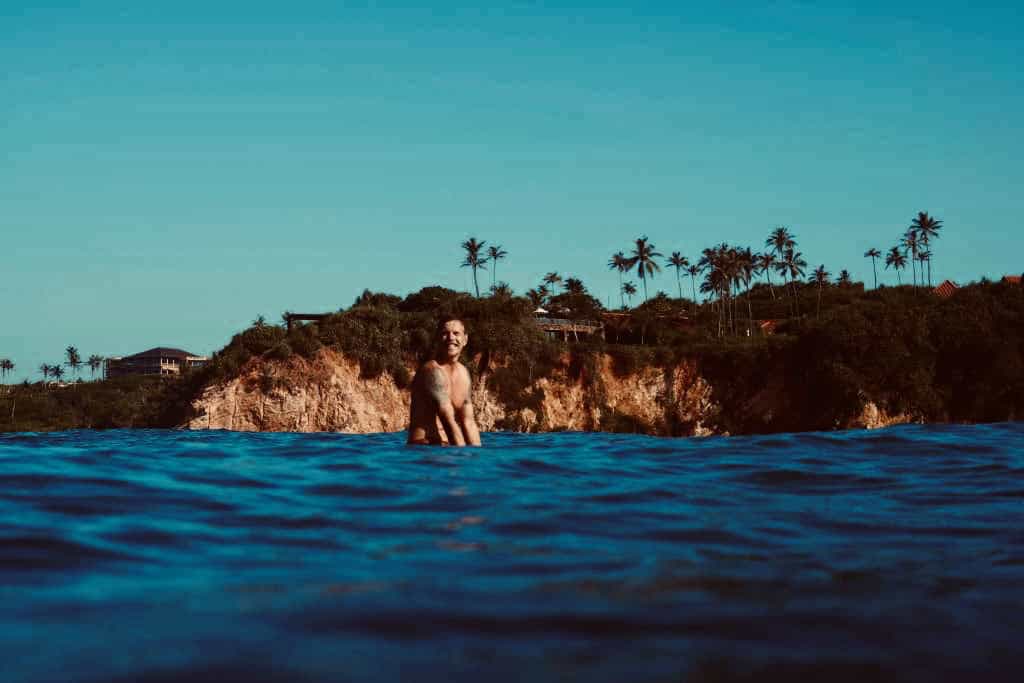
From there, I made my way to Hiriketiya to finish the loop. It felt like the right place to land. A small horseshoe bay tucked between palm-covered hills and a gentle point break rolling in, making it a great left surf break. Compared to the east, it was alive, but not overwhelming. Just enough energy to ease back into coastal life.
After weeks of simplicity, movement, and tightly cramped buses, it felt good to slow down again. Morning coffee, food scene, and some western comfort.
Looking back, the north had given me something different. Less predictability, fewer options, depth, and culture. This Sri Lanka bus tour turned out to be exactly what I needed.
God reise videre,
Joachim
PS ~ To check out Joachim’s retreat center and events in Norway, visit Freden.no.