
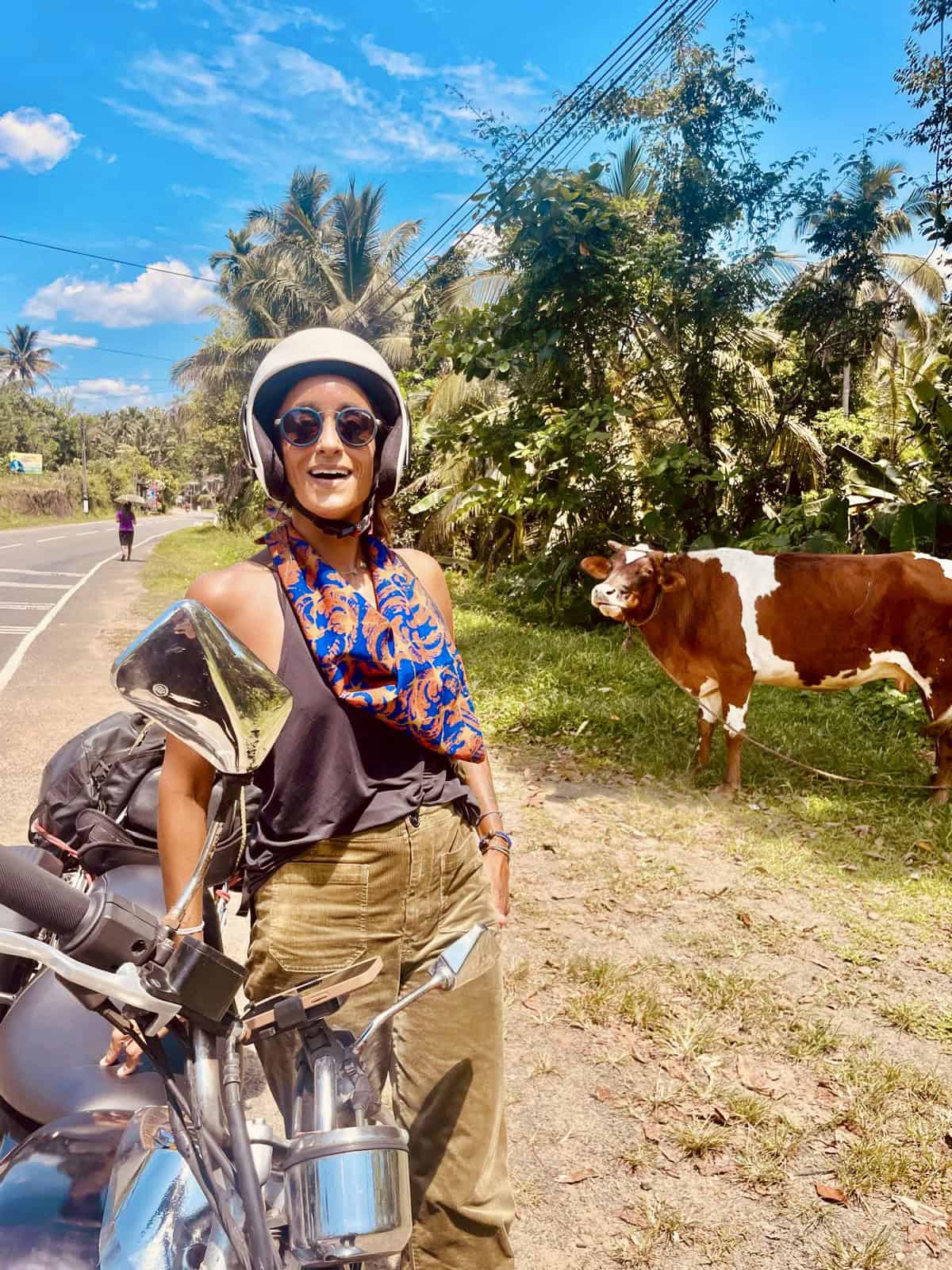
How to visit Sinharaja Rainforest in Sri Lanka!
If you’ve been hanging out on Sri Lanka’s coastline, surfing, beach hopping, living your best coconut life (guilty!), a trip inland to Sinharaja Rainforest is the switch-up you need.
Dense jungle. Towering canopy. Birds you’ve never seen. Sounds you can’t quite trace. It’s not just a nature stop. It’s a completely different version of Sri Lanka that many people miss.
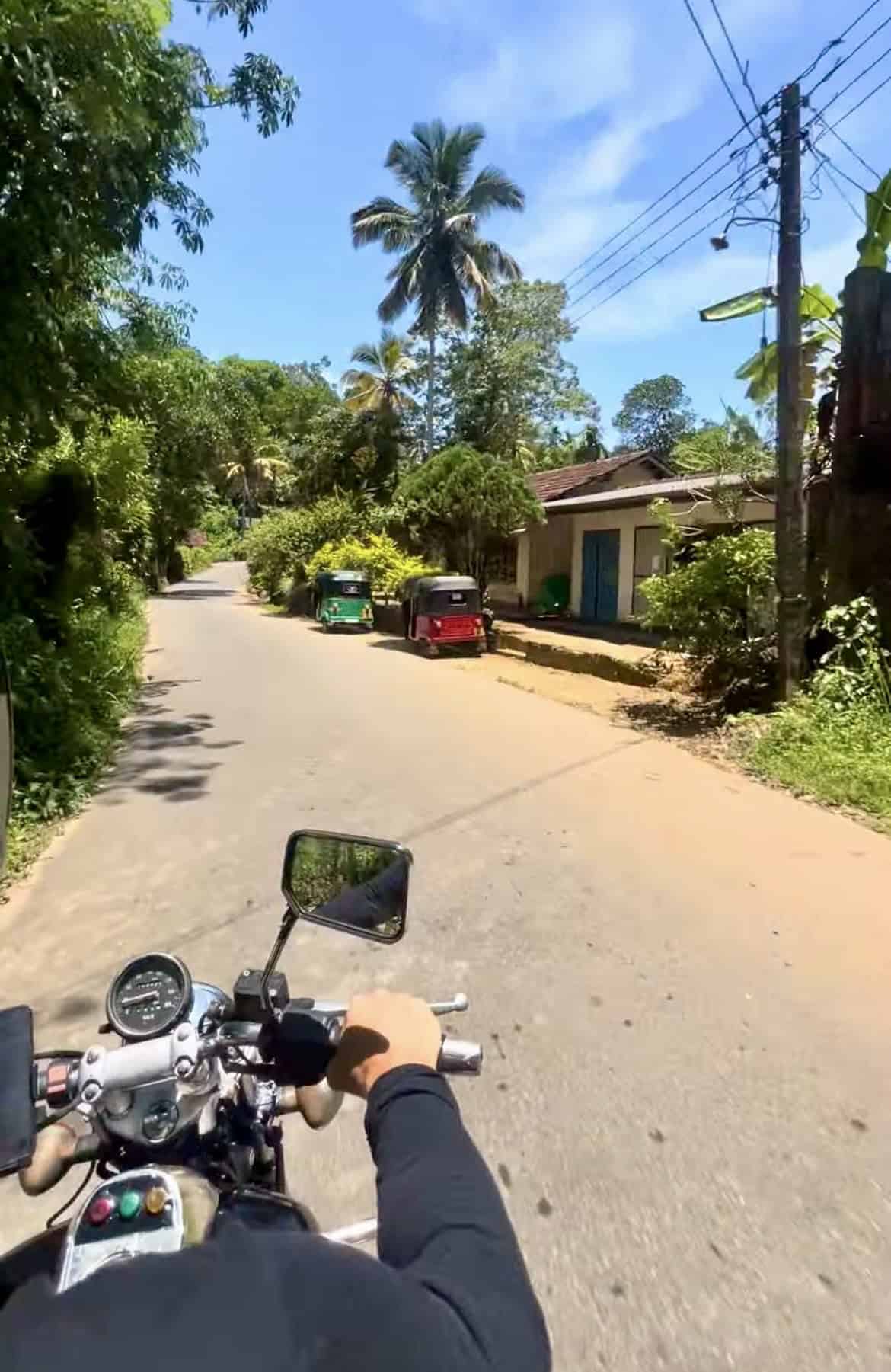
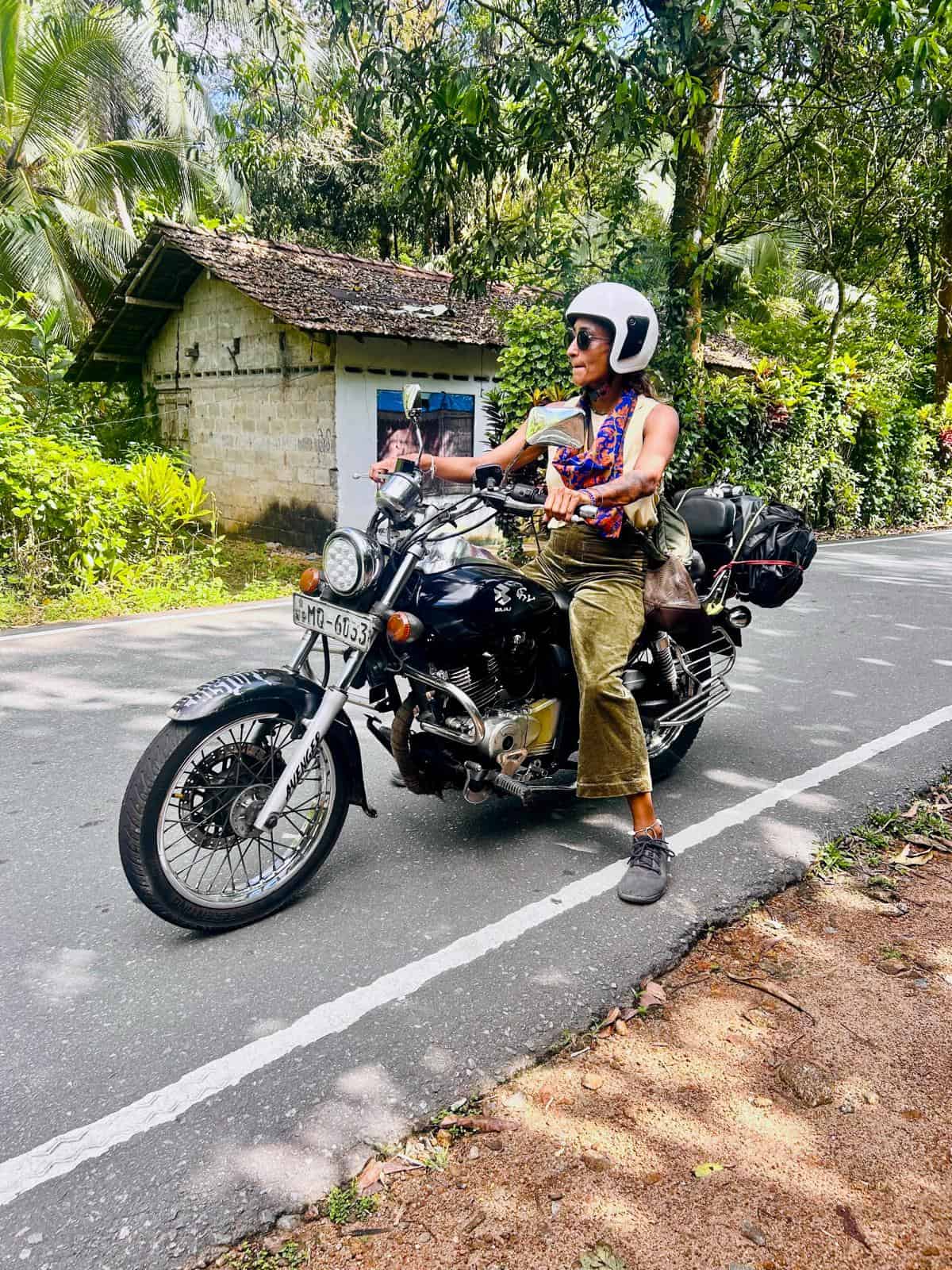
Getting There ~ Do It by Motorcycle
We rented a motorcycle in Midigama and rode in from there. I highly recommend doing the same if you’re comfortable on a bike. There are a few entrances to the forest. We chose Kudawa, which took about 3.5 hours.
The ride in is part of the experience. Winding roads through tea fields and jungle, tiny villages, and that slow shift from coast to wild.
It feels like you’re entering somewhere remote, off-grid, and free.
If you’re not riding, you can take a train or bus, or grab a tuk-tuk or taxi into the forest region. But the bike gives you freedom, and this area is perfect for it.
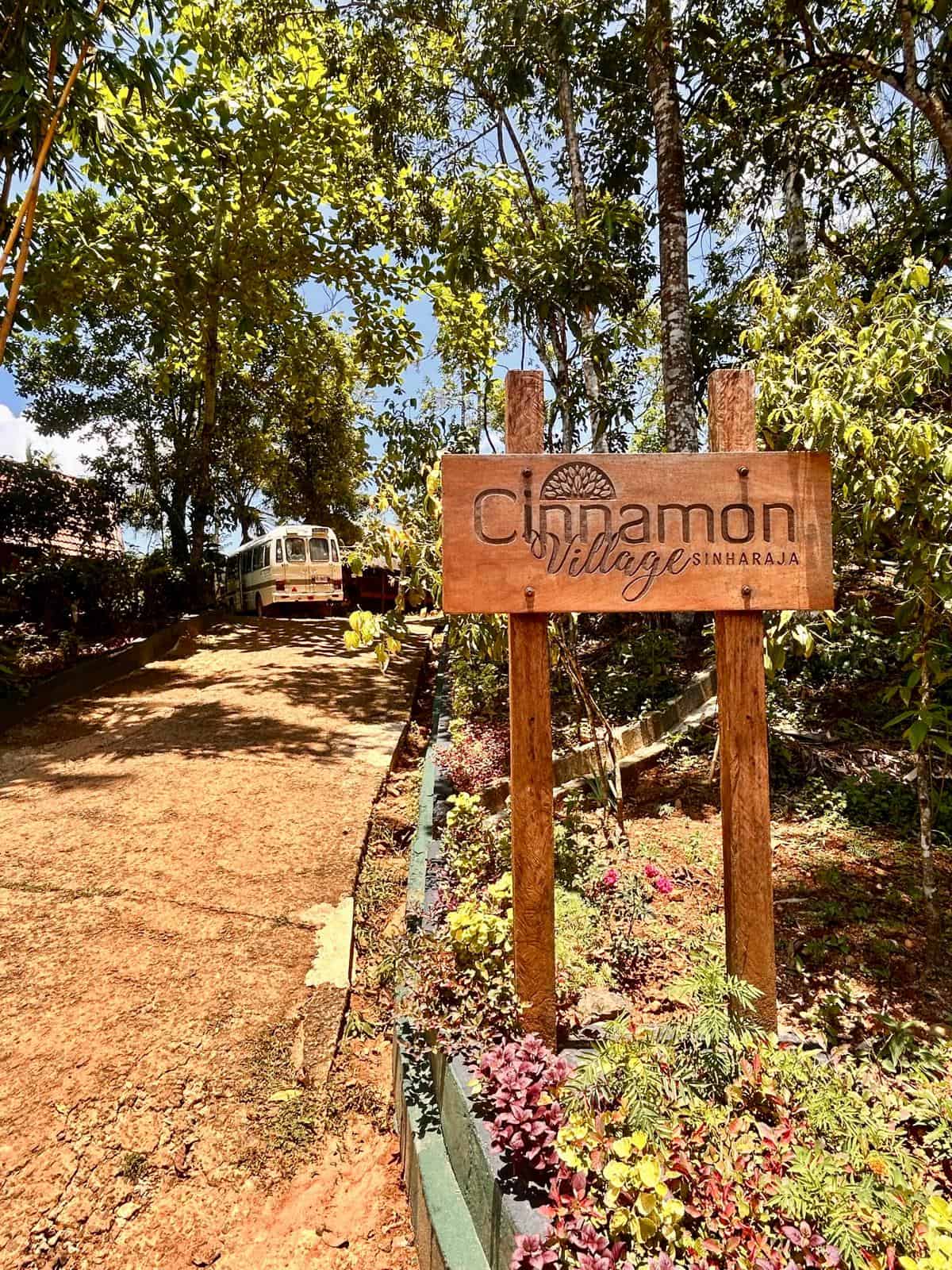
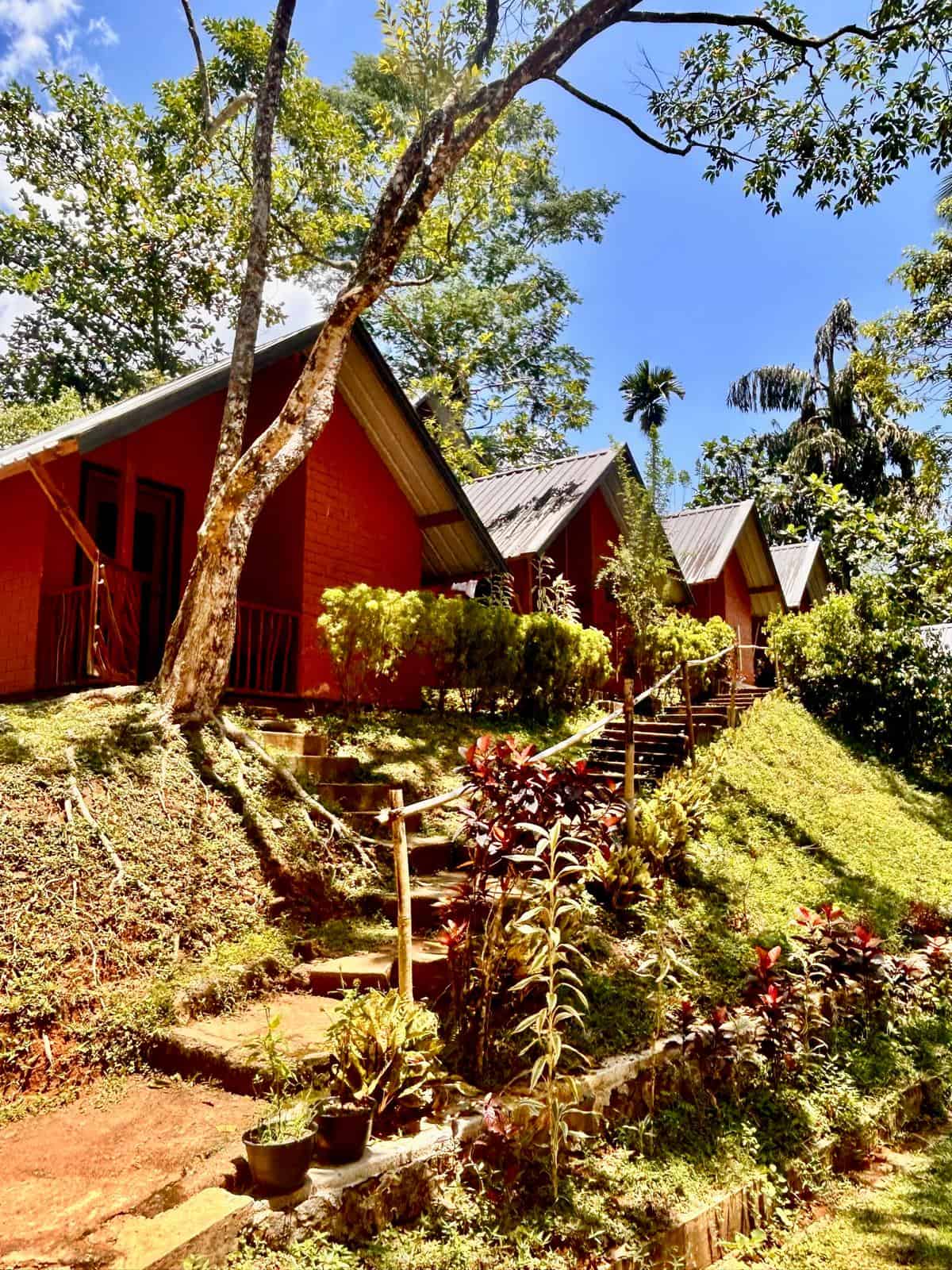
Where to Stay Near Kudawa Trailhead
We stayed at Cinnamon Village Sinharaja, about 15 minutes from the main Kudawa trailhead. The lodging is simple wooden cabins surrounded by nature. They have a lovely restaurant where we ate two meals. This made our stay feel effortless, allowing us to rest during our downtime.
There are a handful of other eco-lodges and guesthouses in the area, so you’ve got options depending on your vibe and budget.
Most places help organize trekking guides, plan routes, and handle meals (which is important because you’re pretty remote). Pick what feels right, you really can’t go too wrong here.
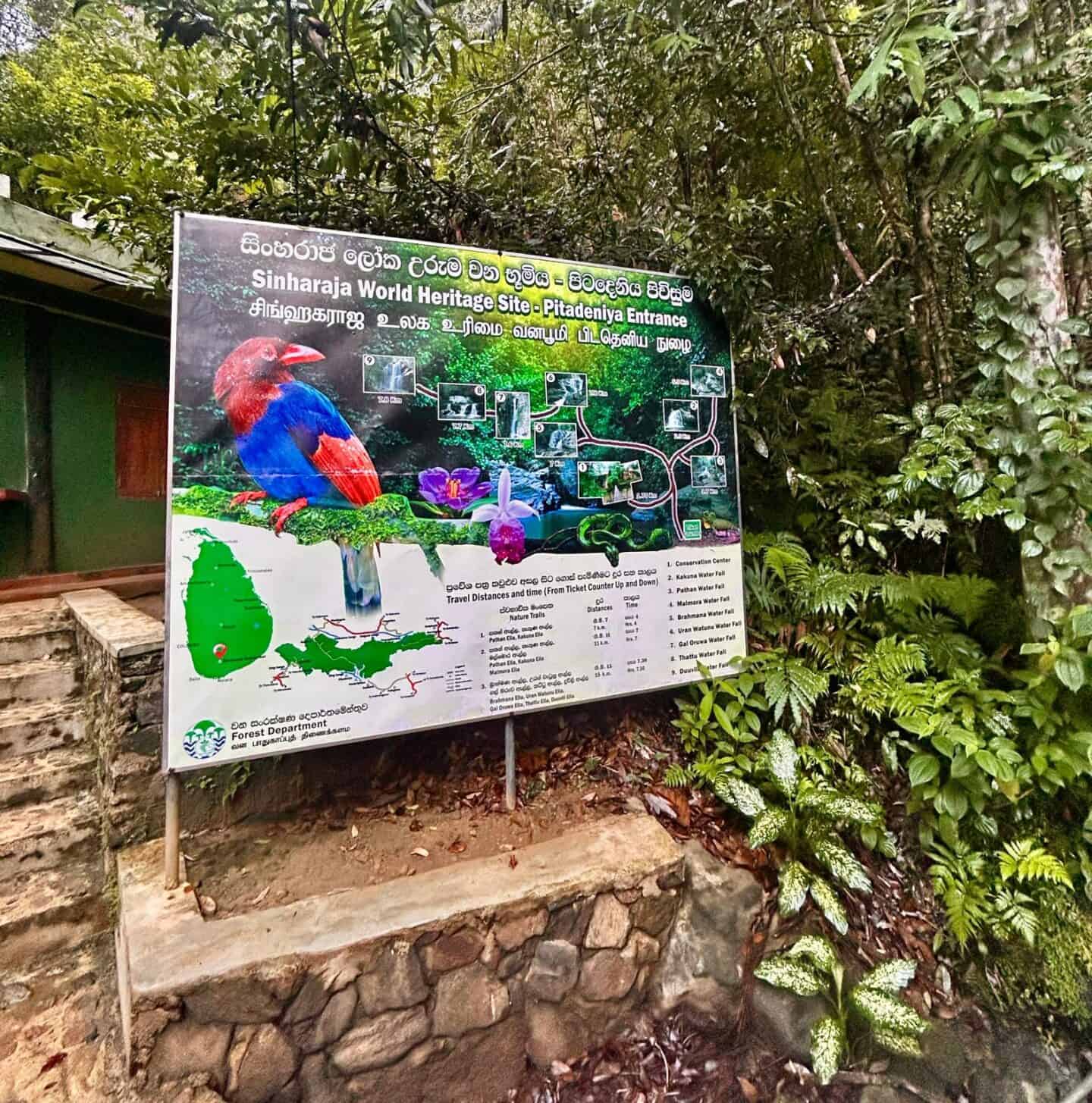
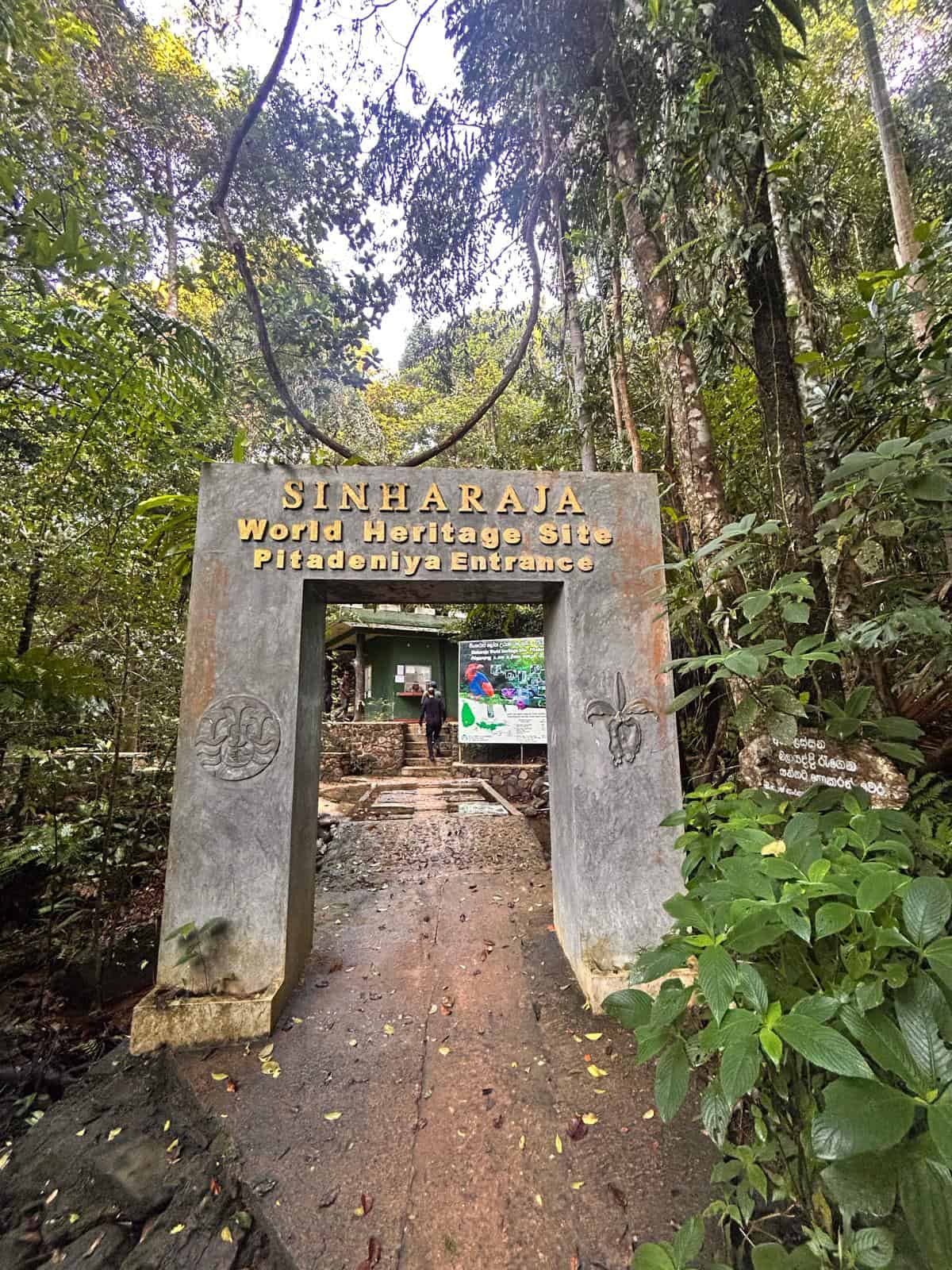
You Need a Guide, It’s a Must
To enter the Sinharaja Rainforest, you must be accompanied by a guide. You can easily arrange one through your hotel or meet a guide at the entrance. You won’t be allowed to enter without one. The price varies based on group size. We paid 5,000 LKR for two people, including a tip.
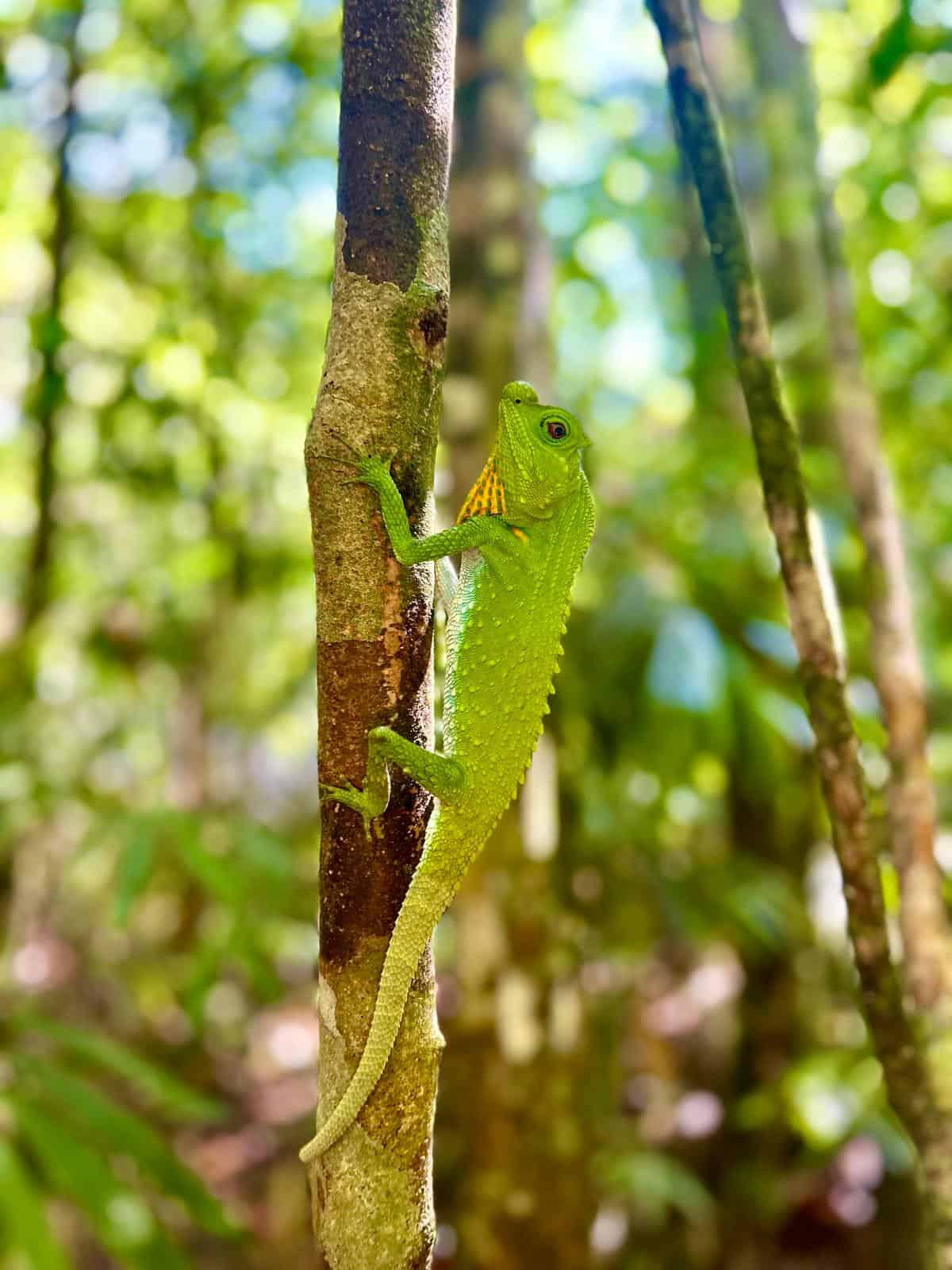
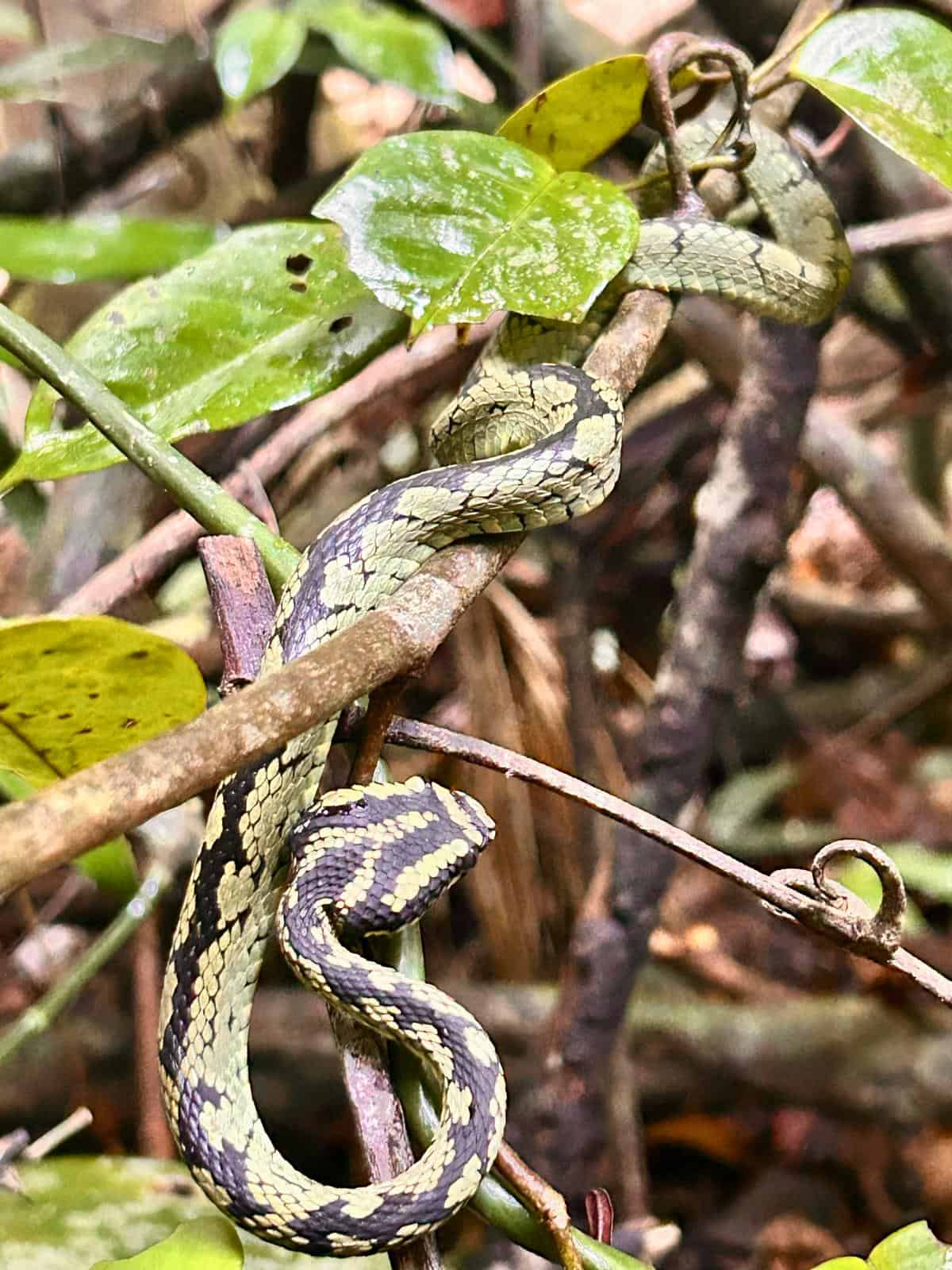
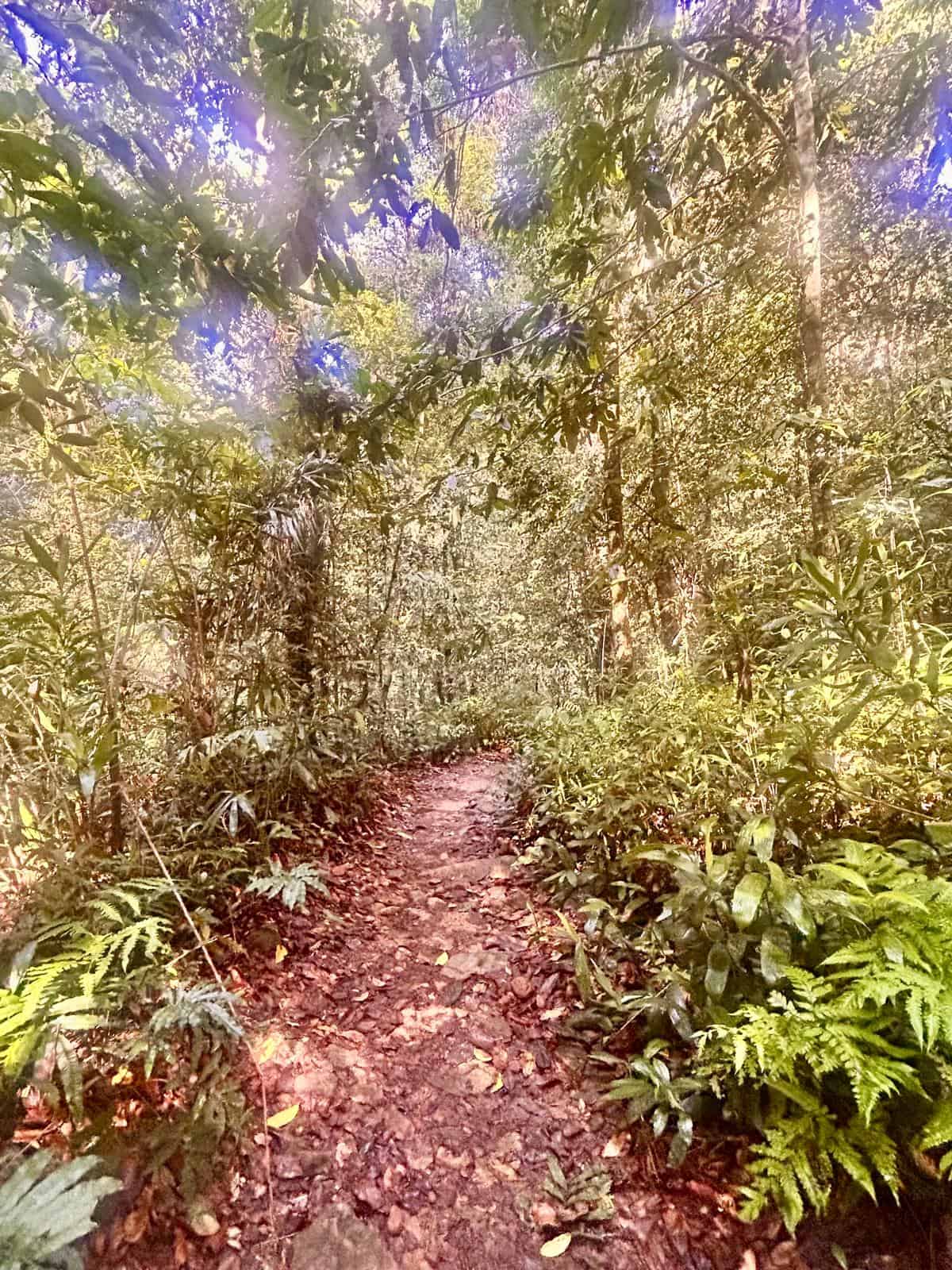
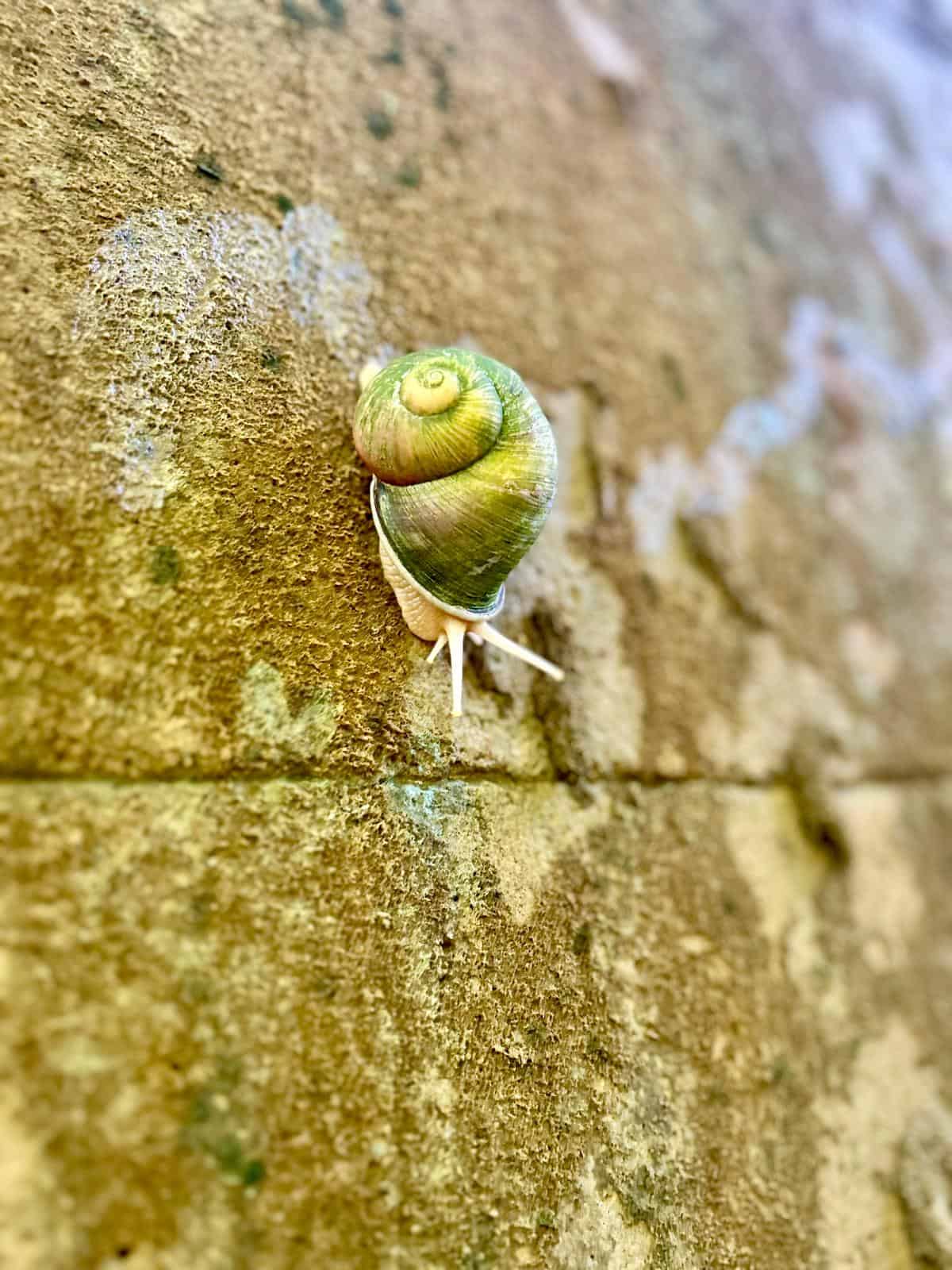
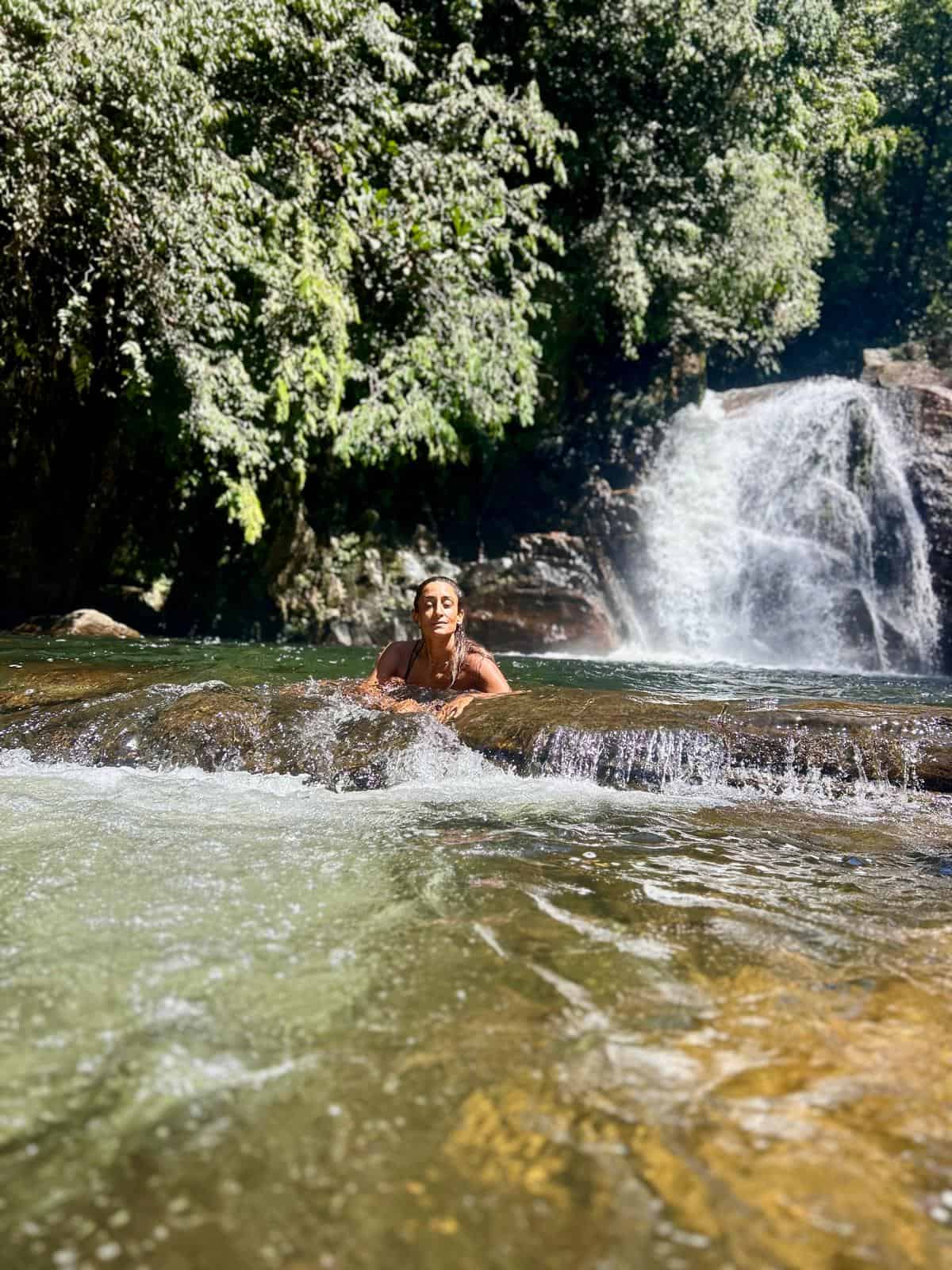
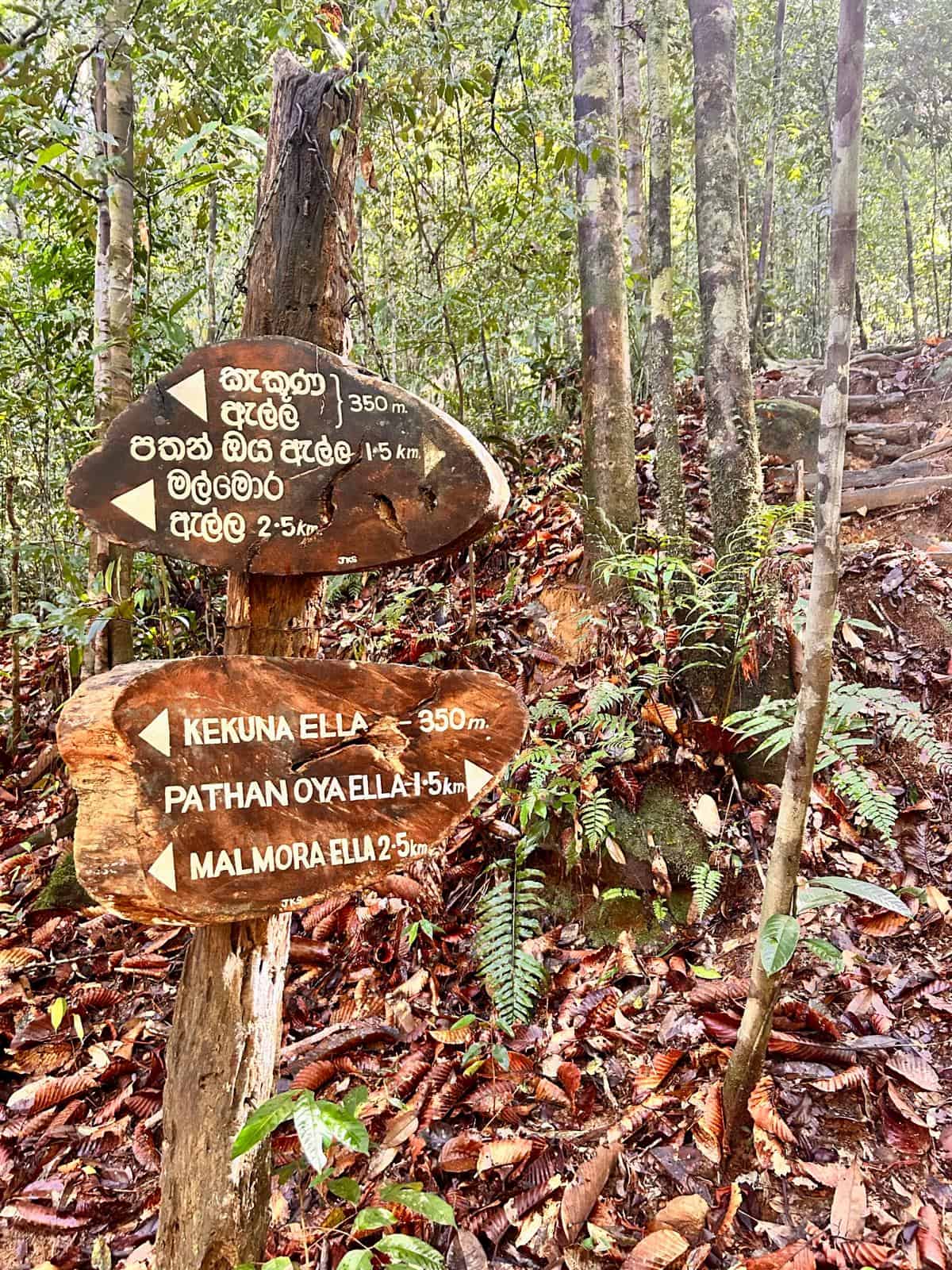
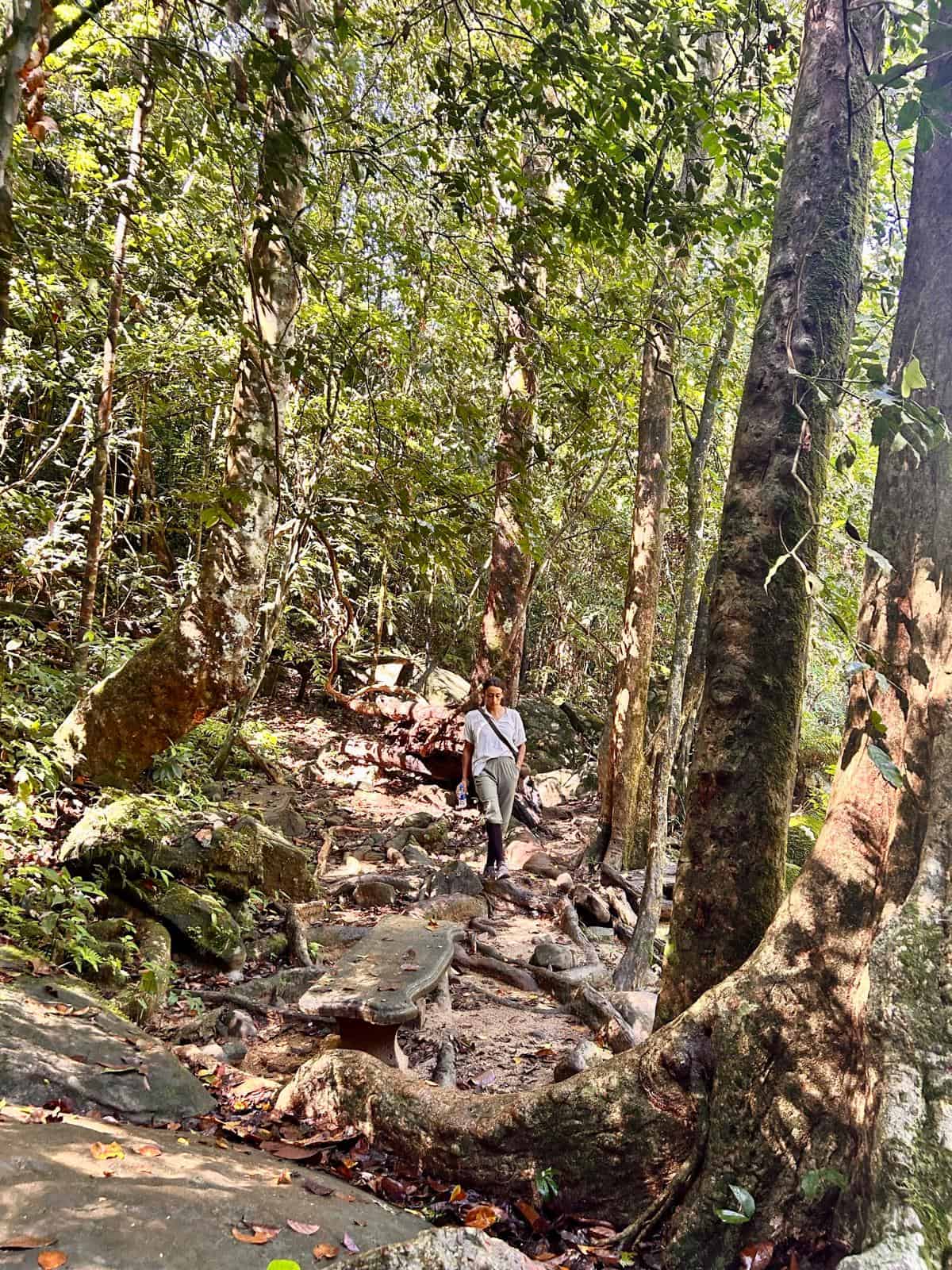
We did the half-day hike to the Kekuna Waterfall, and having a guide completely changed our experience. What would have been a beautiful walk through dense jungle turned into something far more immersive. He pointed out wildlife, showed us how the ecosystem actually functions, and helped us understand just how biodiverse this place really is.
Highlights were birds tucked high in the canopy, snakes camouflaged along branches, monkeys swinging high above, and medicinal plants hidden in plain sight — gems you’d never spot on your own.
Pro Tip ~ There are leeches throughout the jungle, so wear long socks you can tuck your pants into. Your guide will likely rub salt on your shoes for added protection. With these two precautions, we had no issues!
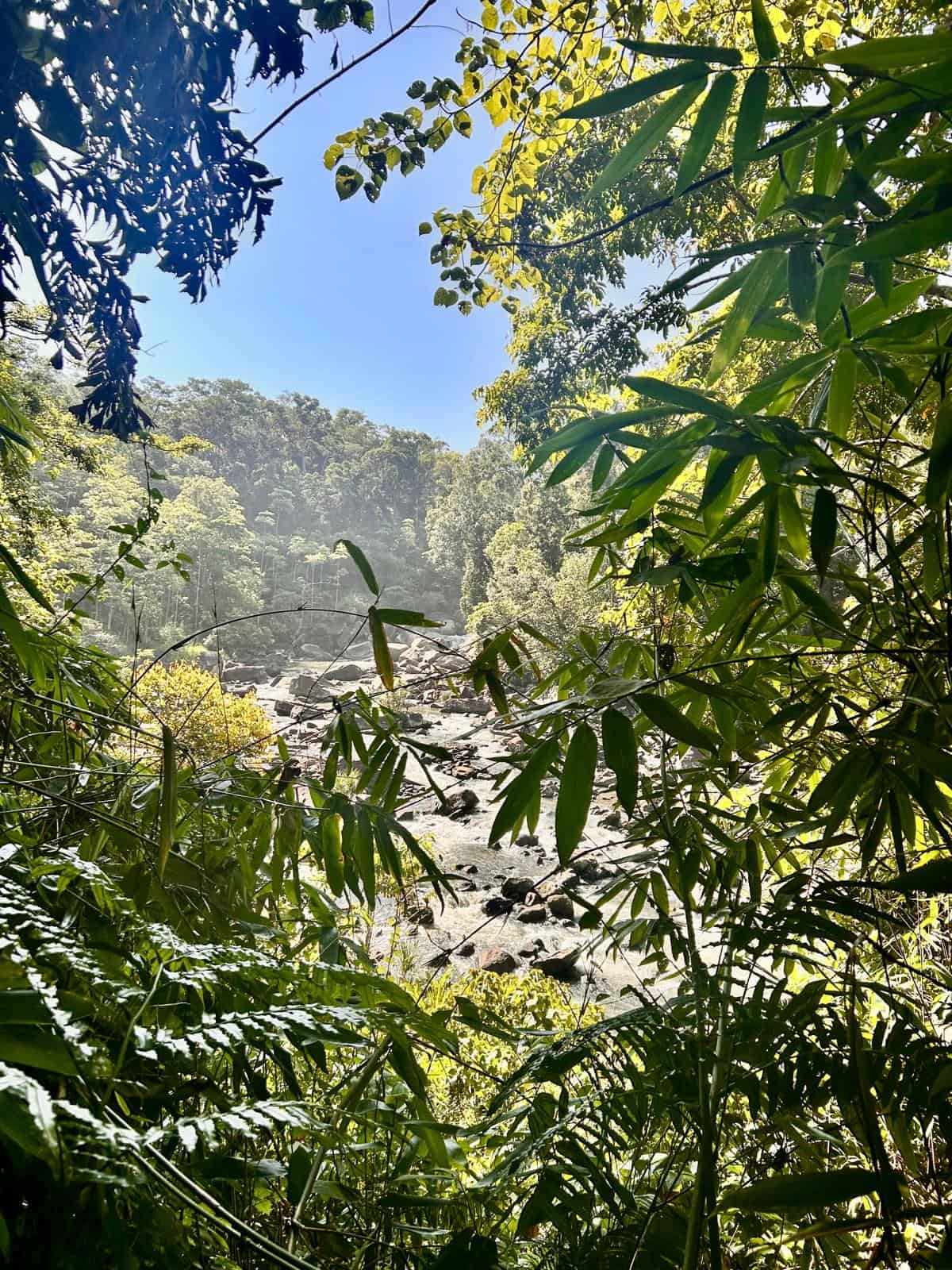
Which Hiking Experience to Choose
There are a few different ways to experience the rainforest, depending on how much time and energy you have. We opted for a half-day hike, which felt like the perfect introduction.
If you have more time, full-day hikes take you further into the forest, where it gets quieter and less trafficked. For those wanting an even deeper disconnect, multi-day treks are also available. These take you into more remote areas, sometimes with overnight stays in simple jungle lodges.
If you can, go beyond the half-day. You will not regret it.
Main Entry Points to Know
There are a few main entrances into Sinharaja, each offering a slightly different experience.
• Kudawa (north) — the most popular and easiest to access, where most guided hikes begin. This is the entrance we chose.
• Pitadeniya (south) — less crowded and feels more off the beaten path.
• Morning Side (northeast) — more remote views, higher altitude, and longer treks.
• Deniyaya-Mediripitiya (southeast) — scenic diversity, suggested for visitors coming from Tangalle, Udawalawe, or Galle.
• Lankagama (southwest) — provides access to multiple waterfalls, popular with local tourists.
Your best entry point depends on where you are traveling from and the trails you want to hike, so do a little research.
What Makes Sinharaja Special
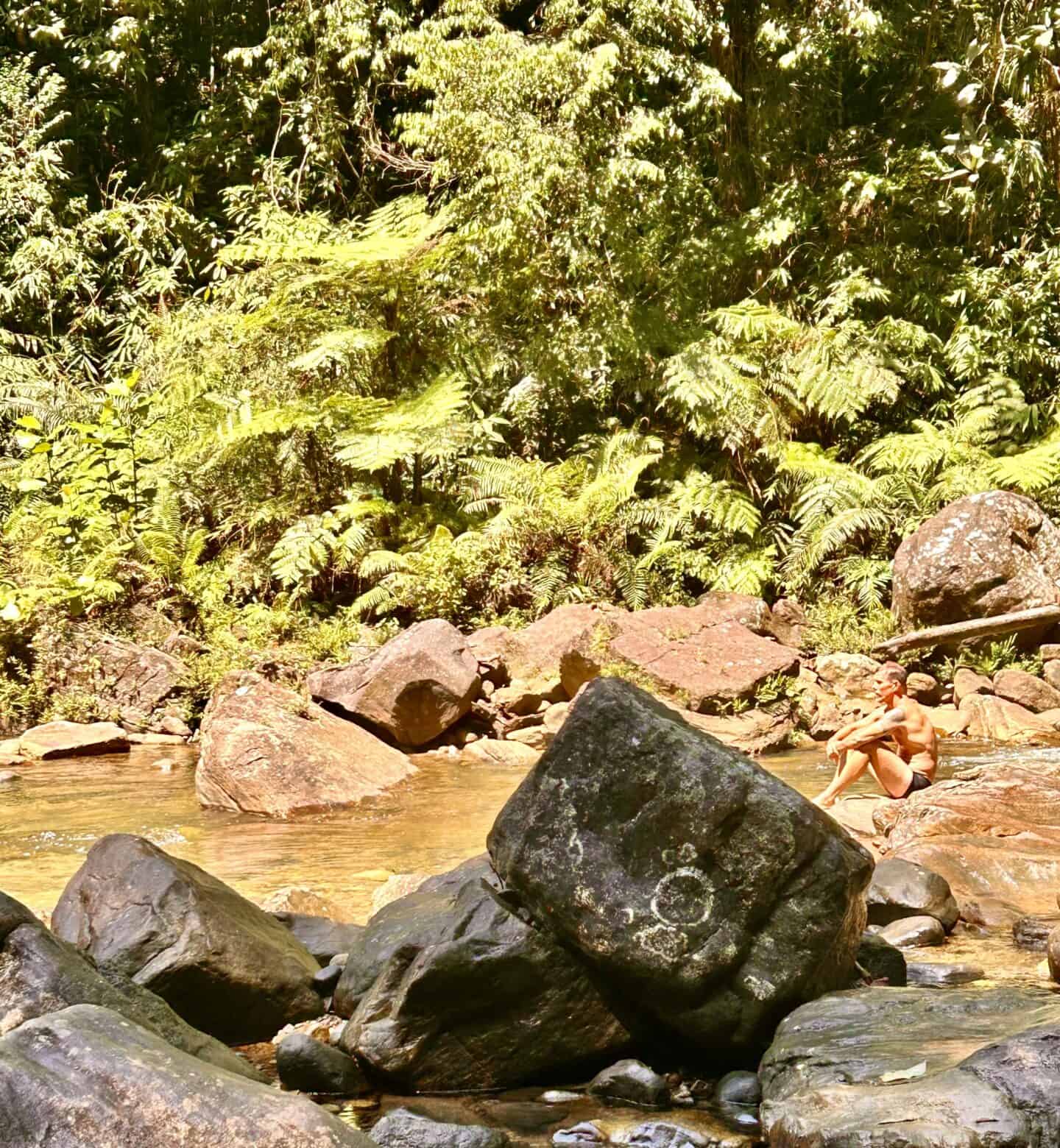
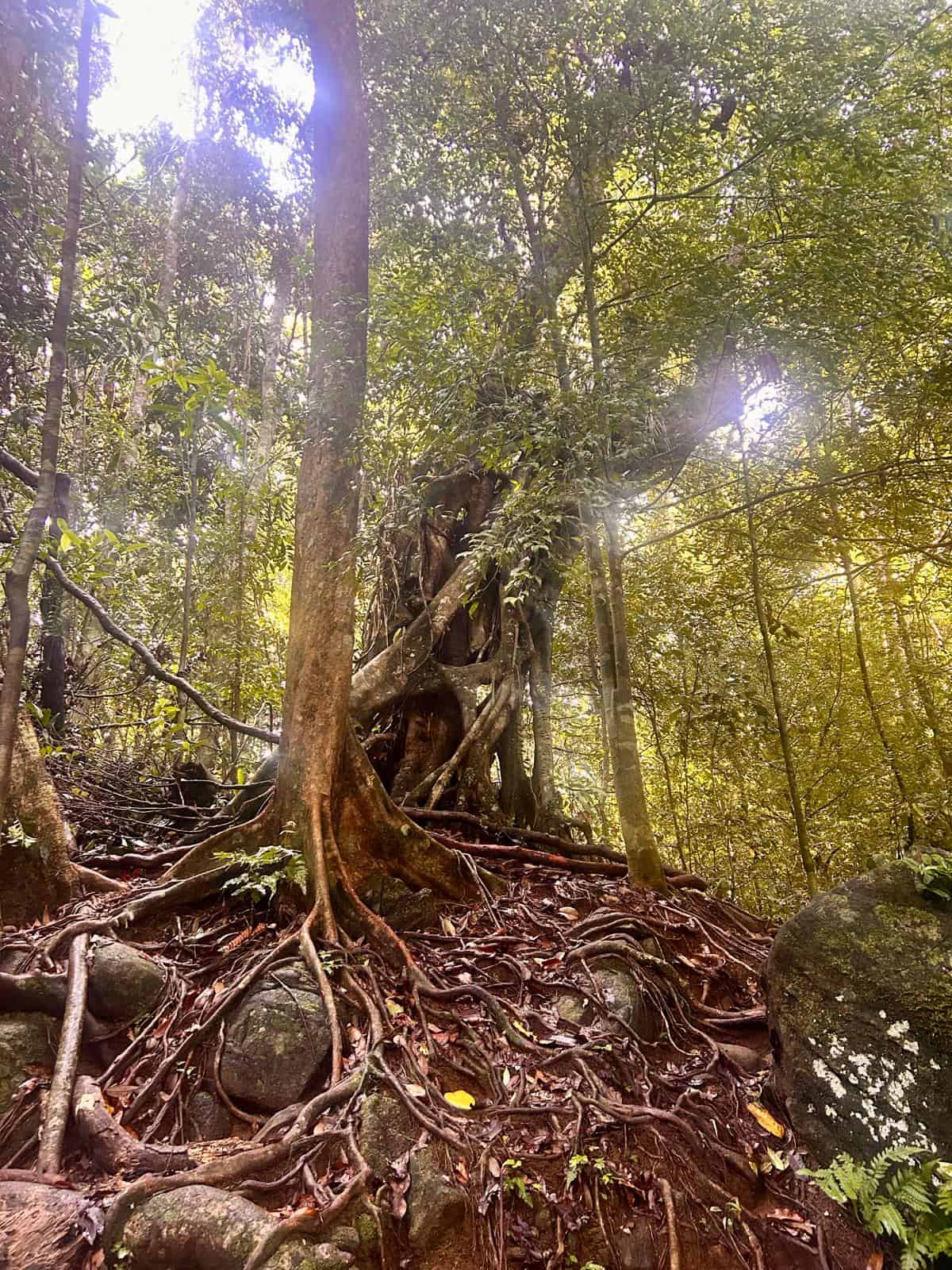
This isn’t just any rainforest. Sinharaja is a UNESCO World Heritage Site and one of the last remaining stretches of primary tropical rainforest in Sri Lanka.
This means an extraordinary level of biodiversity, with endemic species you won’t find anywhere else, and a dense, untouched jungle that feels ancient in the best way.
It’s humid, wild, a little muddy, and completely worth it.
Other Things to Do Nearby
You don’t need to overfill your time here. The rainforest is the main event, but there are a few ways to stretch the experience if you have time on your hands.
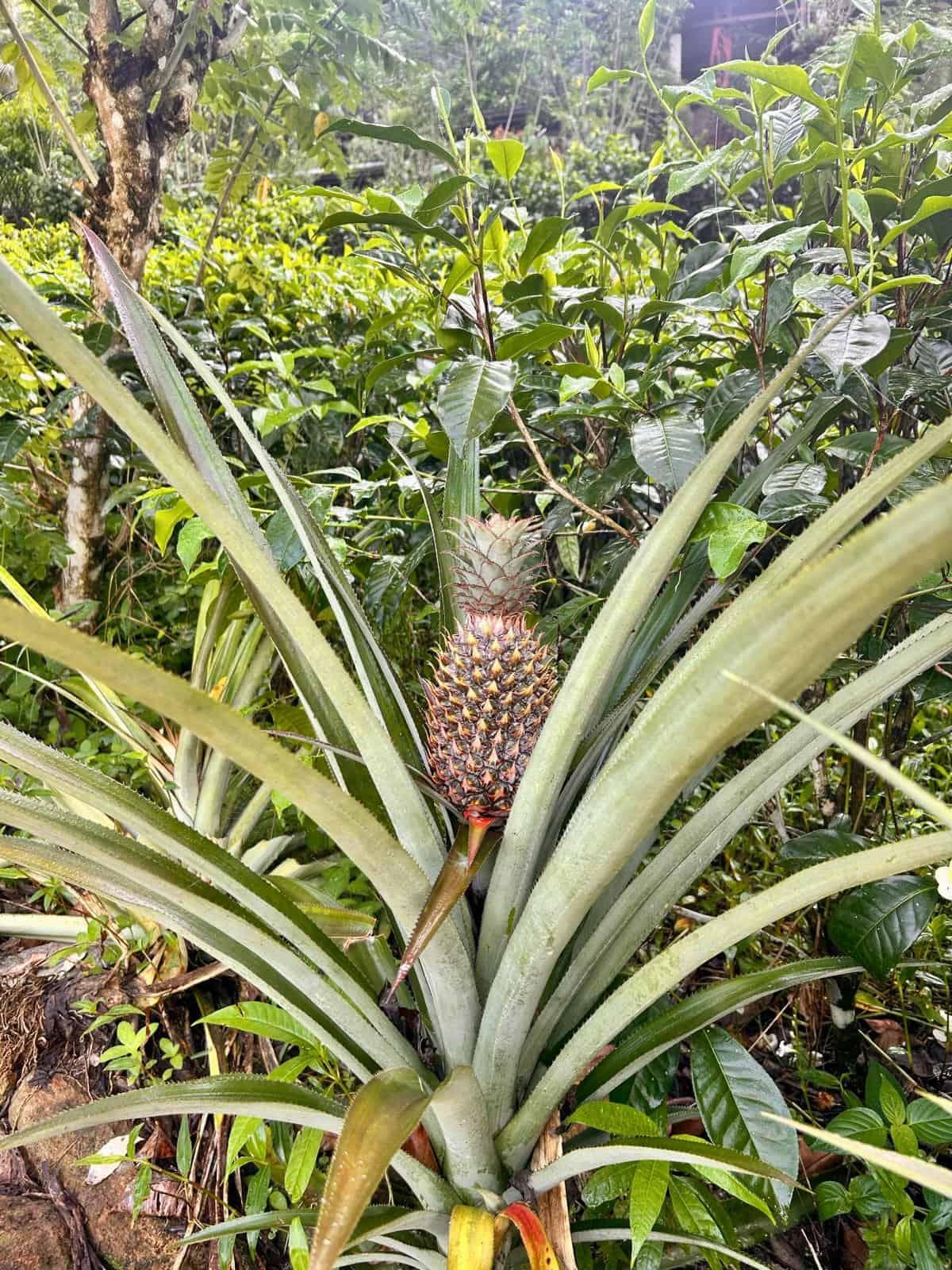
There are additional waterfalls tucked throughout the region beyond the main hiking routes, and slow village walks offer a glimpse into local life just outside the forest. For bird lovers, this area is one of the best places in Sri Lanka to spot rare species.
Or, you can do what we did. Slow mornings, fresh jungle air, good food, and just soak in the abundant nature and open road.
Why You Should Go
Sinharaja is one of those places that reminds you to keep adventuring and finding the path less taken.
It pulls you away from the coast, from the crowds, from the rhythm you’ve gotten used to, and reminds you just how diverse Sri Lanka is.
Stay a night or two. Go deeper if you can. It’s one of the best switch-ups you can make on the island.
Until next time,
Bekah
PS ~ For another Sri Lanka adventure, check out our bus loop from south to north!