
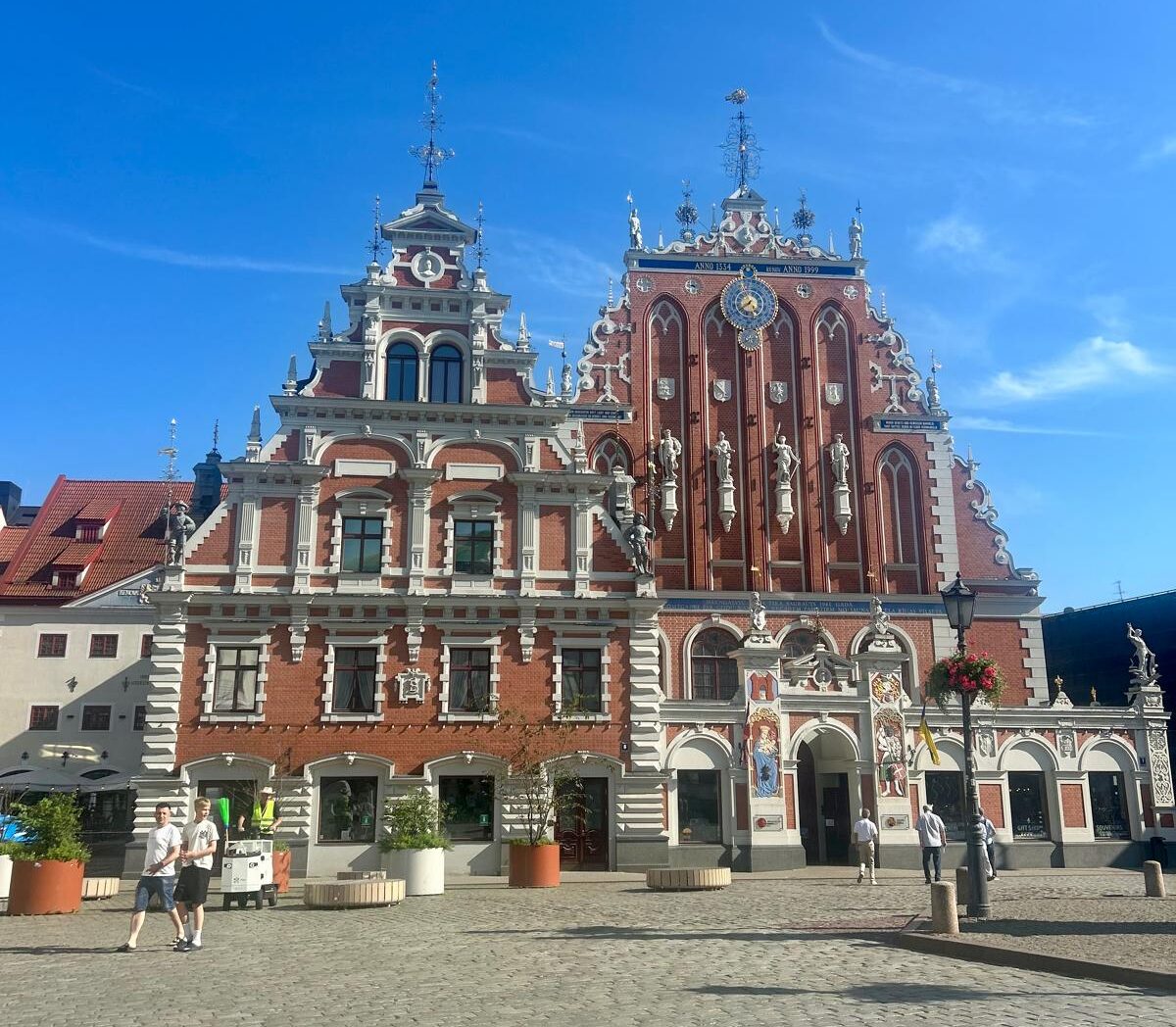
Roaming the Baltics had been on my radar for a few years, yet I knew little about what was in store for me. Lithuania, Latvia, and Estonia are often grouped together as a single destination. Three neighboring countries connected by geography, the Baltic Sea, and intertwined history. When I decided to tour the capitals, I assumed I’d find a trio of charming old towns with subtle differences. Instead, I discovered three capitals with distinctly different personalities.
At first glance, it makes sense why they’re spoken about as one region. The Baltic States share a turbulent past marked by occupations, brief freedom, and resilience. After gaining independence following World War I, all three were later absorbed into the Soviet Union during World War II before reclaiming their independence in 1991. Today, they’re united once again—this time through the European Union, the Schengen Area, and an ease of travel that makes moving between them simple. As I crossed each border by bus, we never even stopped for passport checks.
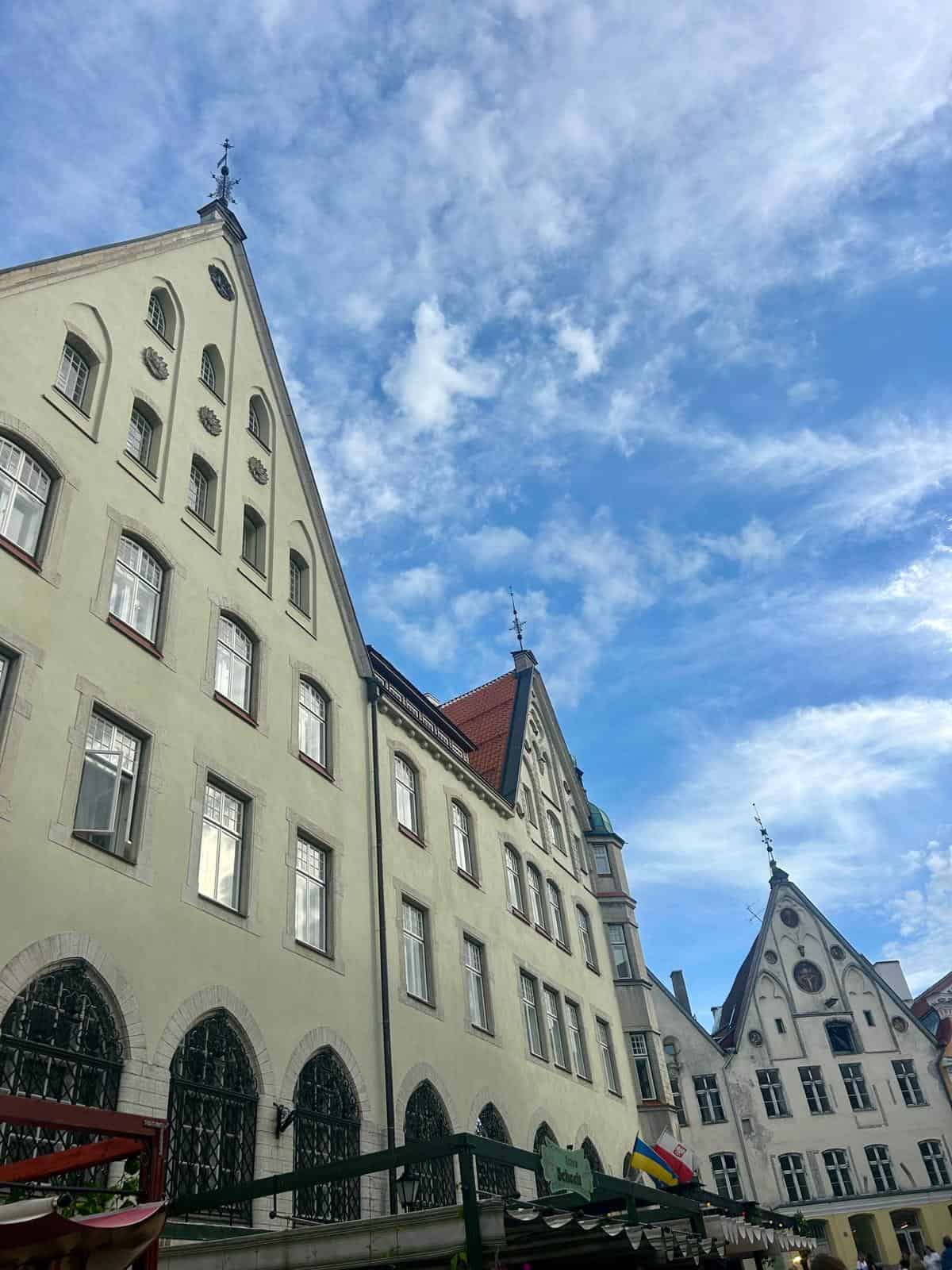
Based on this history, one thing I wasn’t expecting was such a Nordic influence in each capital. The Soviet past was most obvious in the buildings, but I also found myself noticing Scandinavian influences almost everywhere—from the architecture and design to the lifestyle and atmosphere.
Lithuania and Latvia are home to the world’s only surviving Baltic languages, while Estonian belongs to the Finnic language family and is more closely related to Finnish than either of its southern neighbors. This was my first clue that, despite being bundled together on maps and itineraries, each country had followed its own path.
While roaming the Baltic capitals, I asked myself what story I wanted to tell. It wouldn’t be a list of must-sees. Instead, I wanted to capture something less tangible ~ how each destination made me feel.
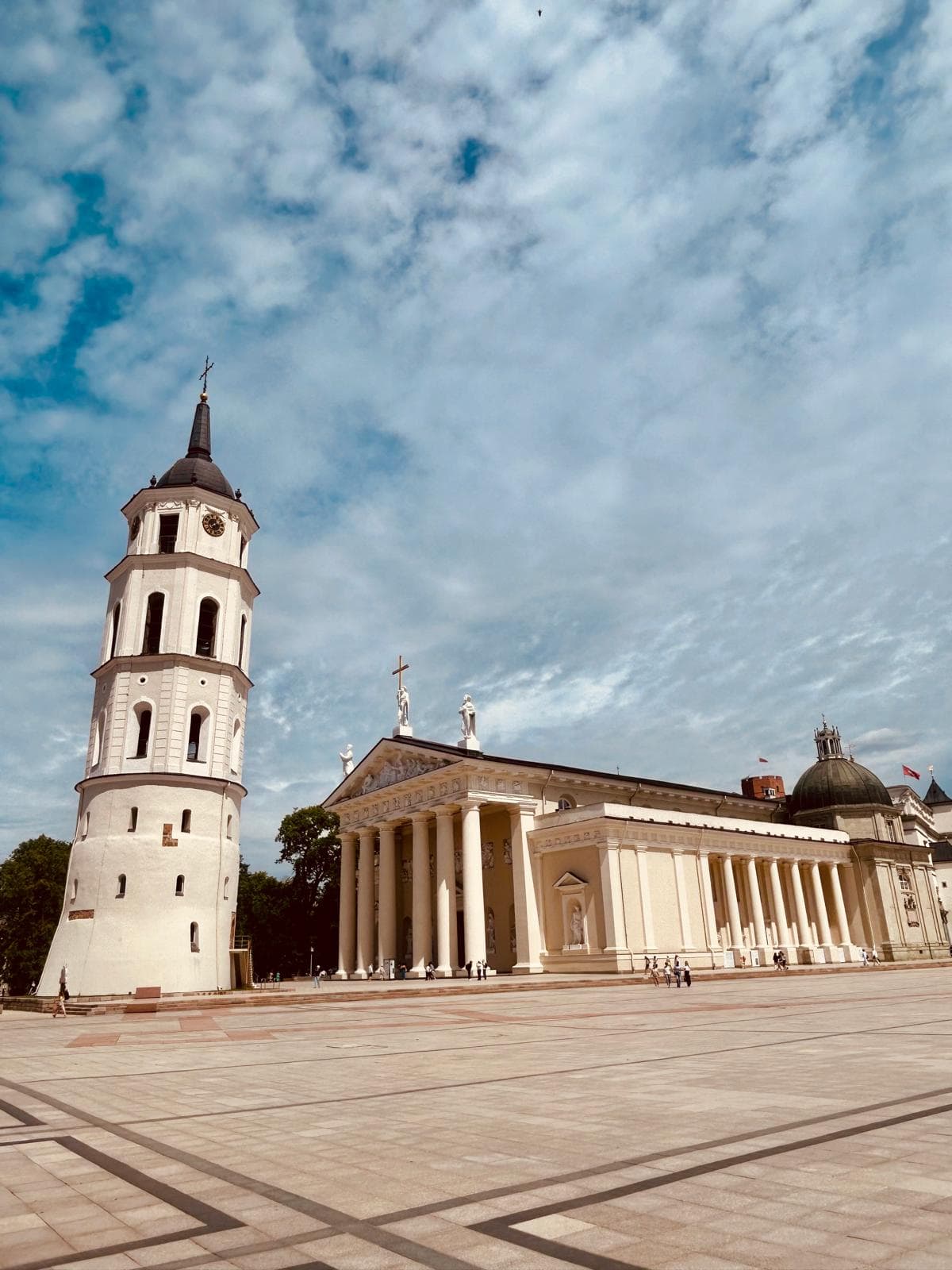
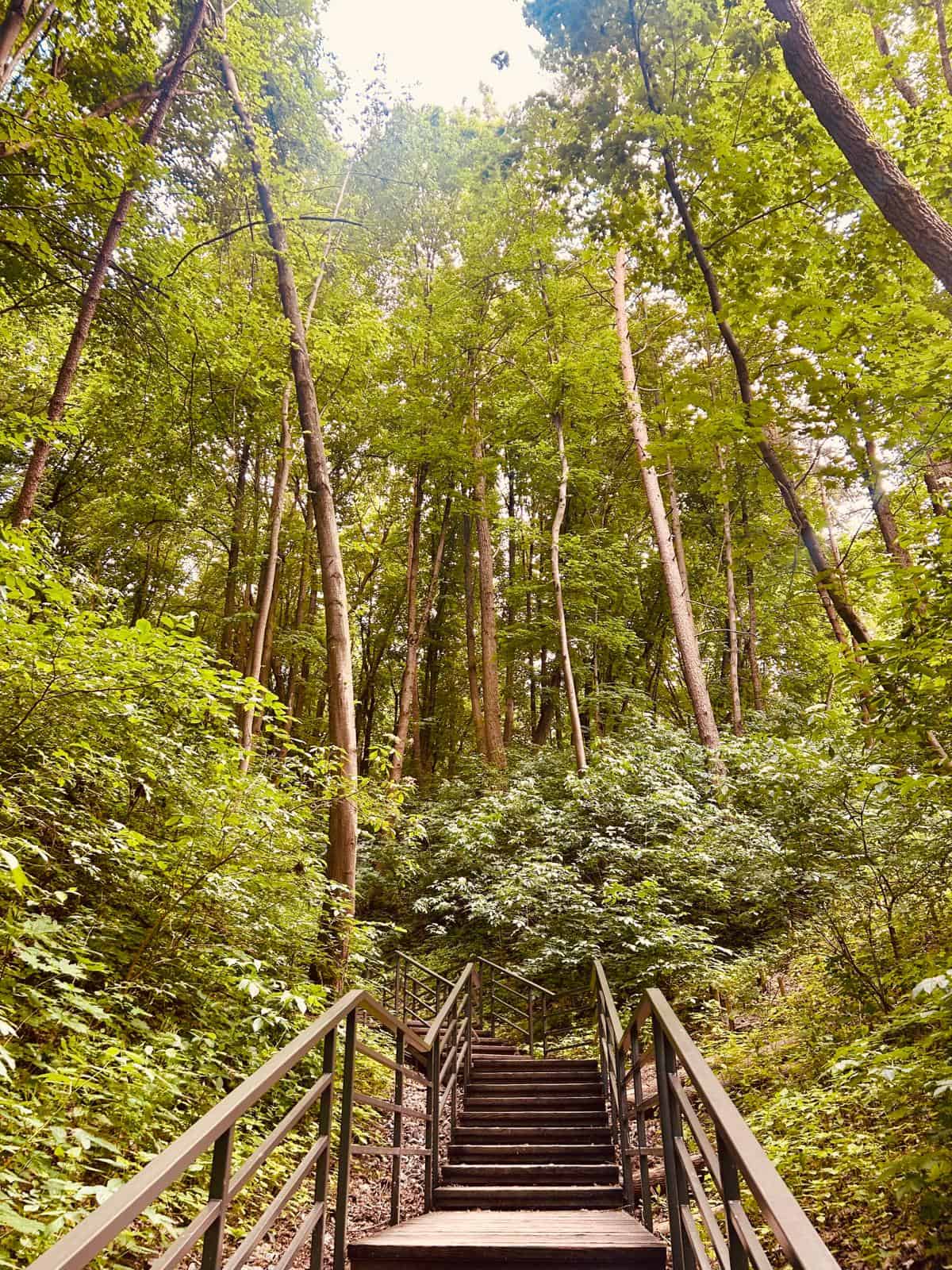
Vilnius, Lithuania (the subtle charmer)
Vilnius was my first stop, and it completely caught me off guard.
I had planned to stay for three nights. Somewhere between leisurely walks through the Old Town, long afternoons in leafy parks, and mornings drinking good coffee, I extended my stay for three more.
Every now and then, a place wraps itself around you in a way that’s difficult to explain. Time slows. Your curiosity takes over. You stop checking the clock, stop thinking about what’s next, and simply enjoy where you are. It’s as though a spell is cast, and suddenly you are romanticizing the ordinary as presence pulls you forward.
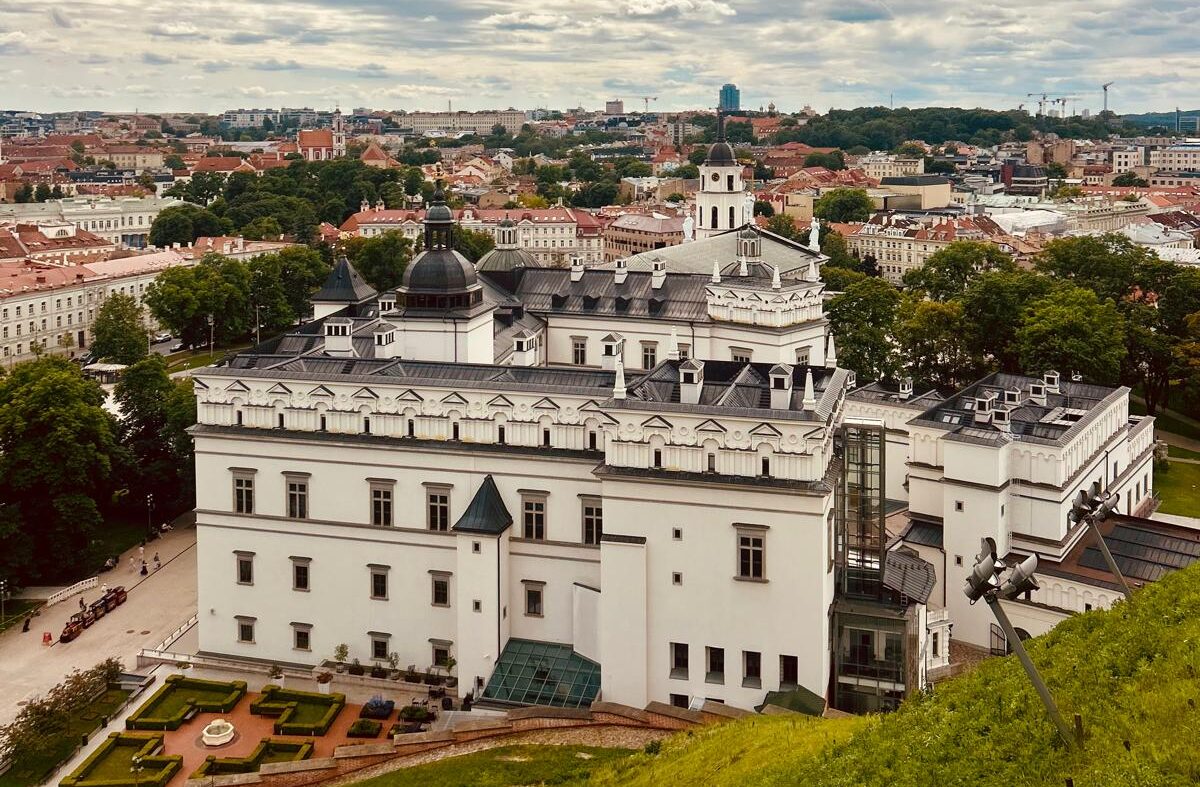
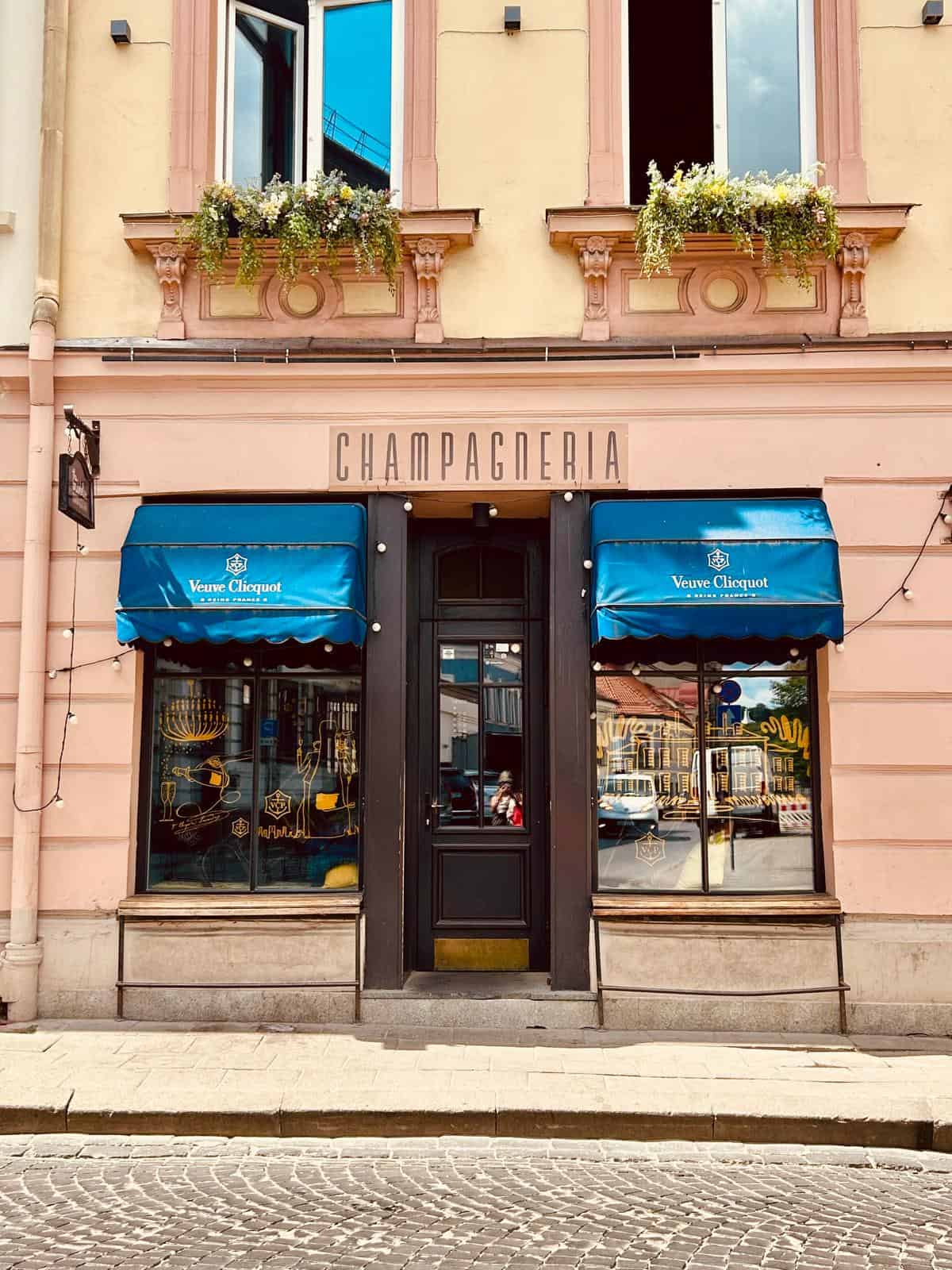
It’s a city that rewards wandering without an agenda. One cobblestone street leads to another, each revealing hidden courtyards, church spires, dark wooden taverns, cozy traditional restaurants, and peaceful pockets of lush greenery that lure you to sit and take in the beauty.
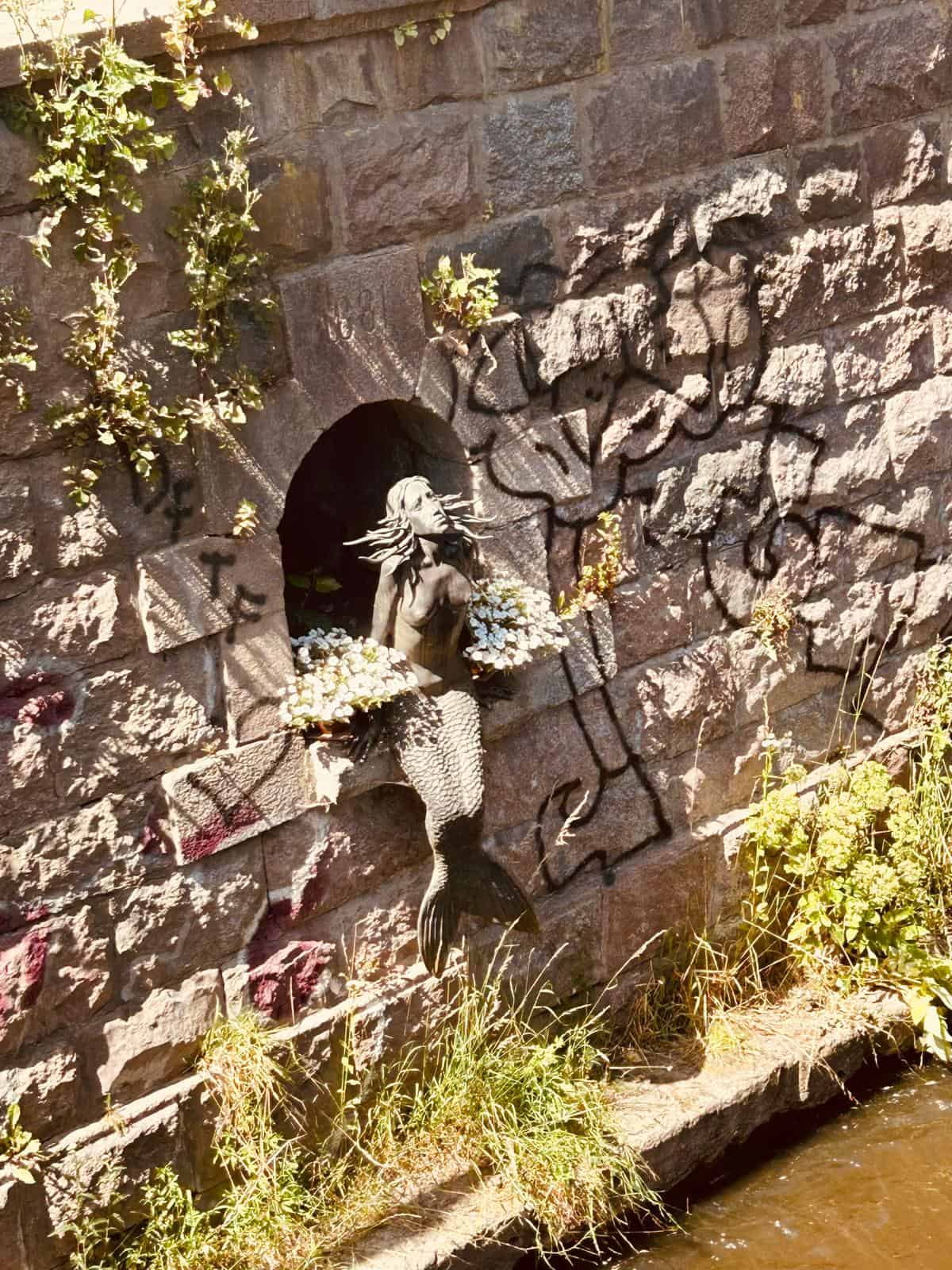
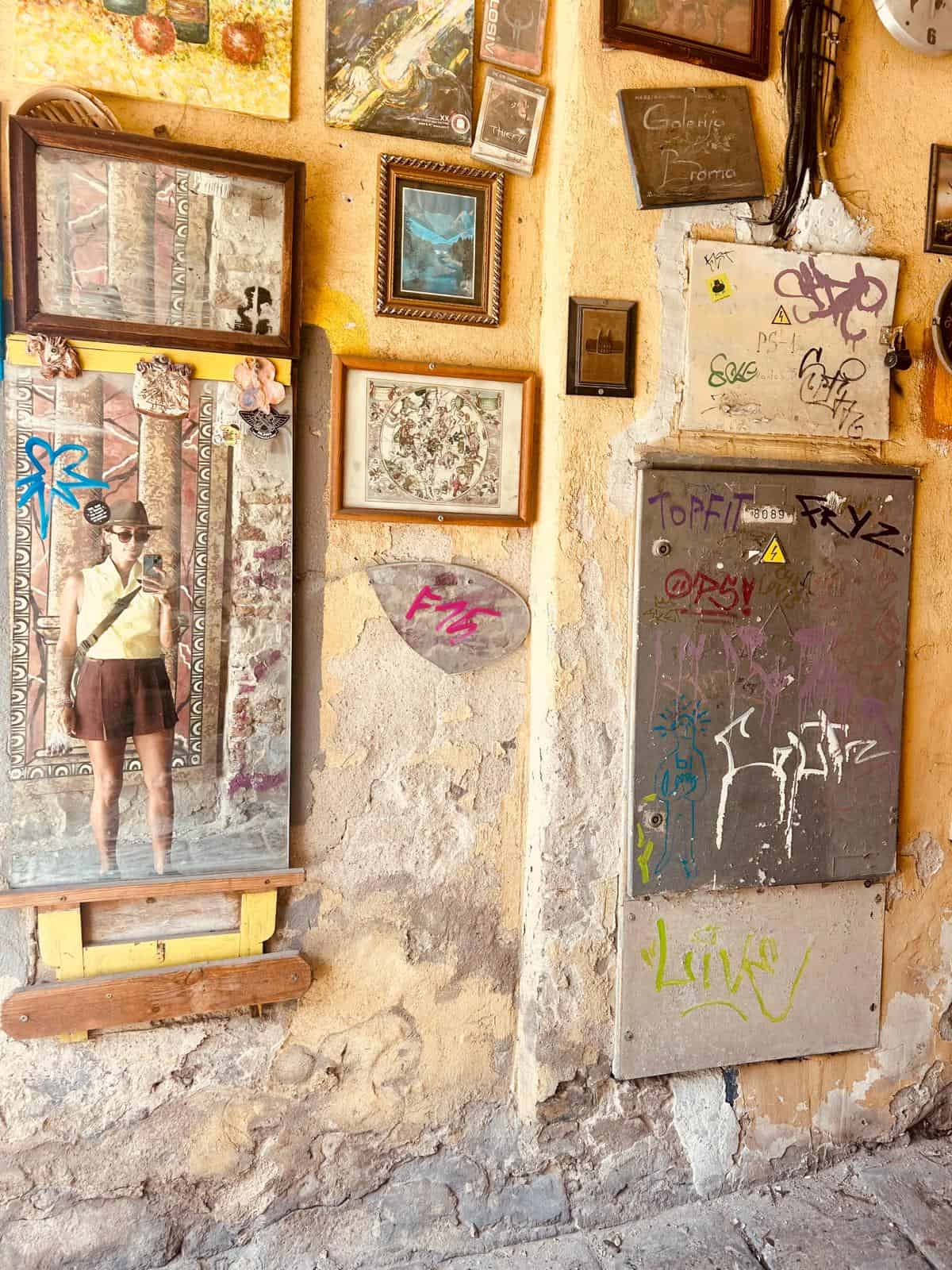
Užupis
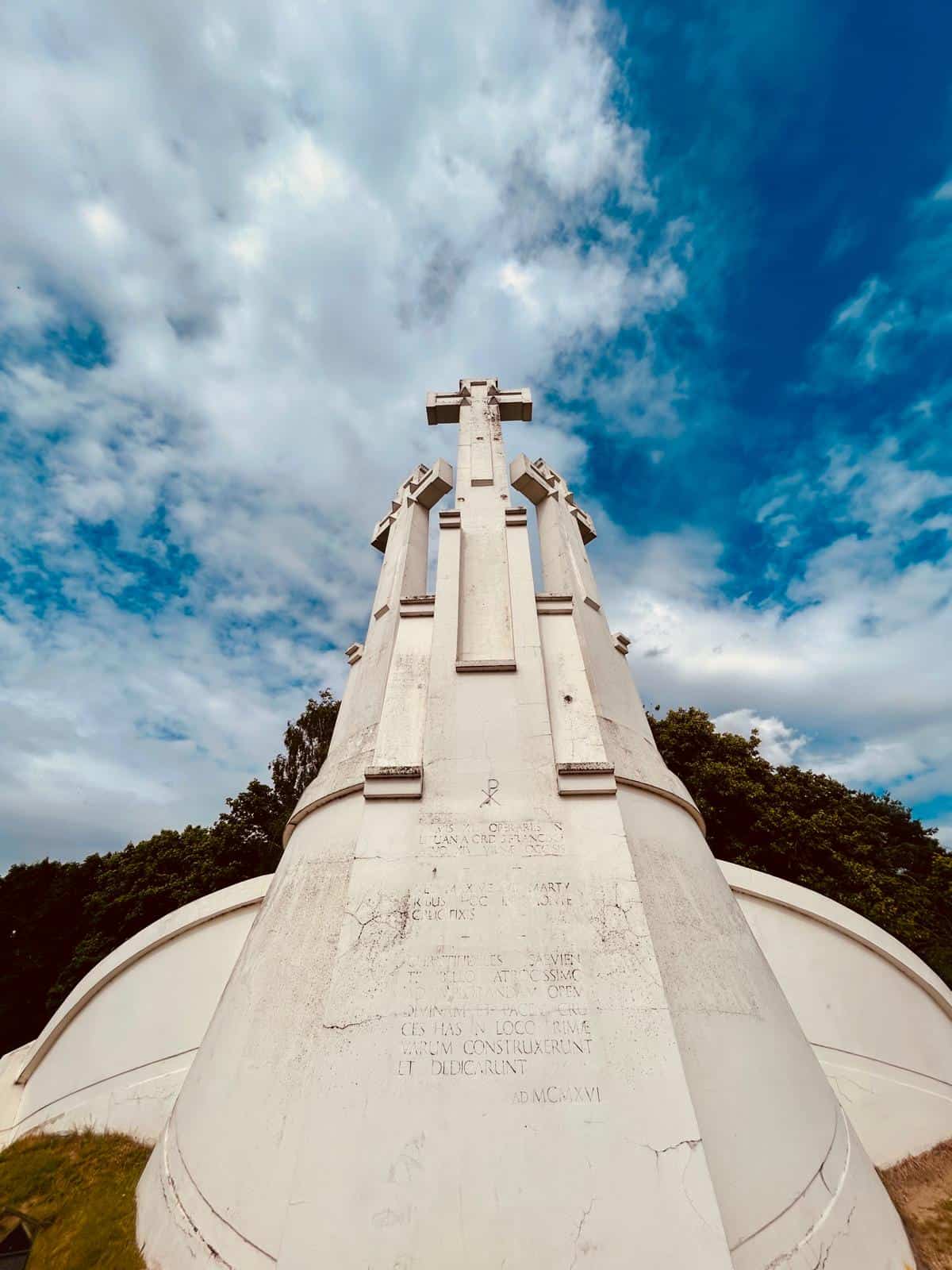
For me, the soul of Vilnius lived just across the river in Užupis. Often compared to Montmartre in Paris or Christiania in Copenhagen, this self-declared ‘Republic’ is the city’s artistic heart, filled with galleries, sculptures, cafés, and an unmistakable creative energy. Its cheeky constitution—displayed on mirrored plaques in dozens of languages on one of the main streets—sums up the very essence. ‘Everyone has the right to be happy,’ ‘Everyone has the right to be unhappy,’ and ‘A dog has the right to be a dog.’ It’s playful, thought-provoking, and captures the neighborhood’s spirit.
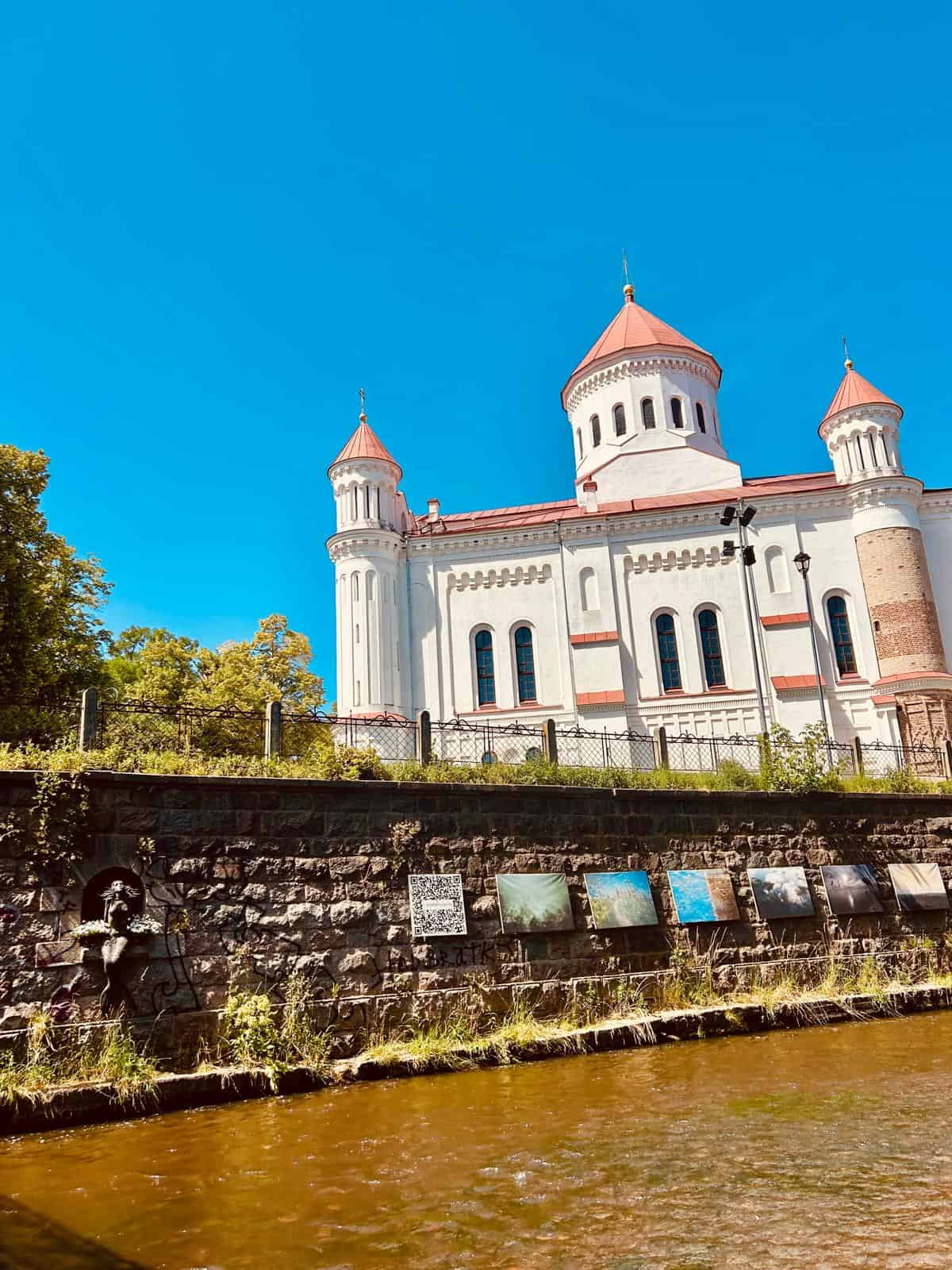
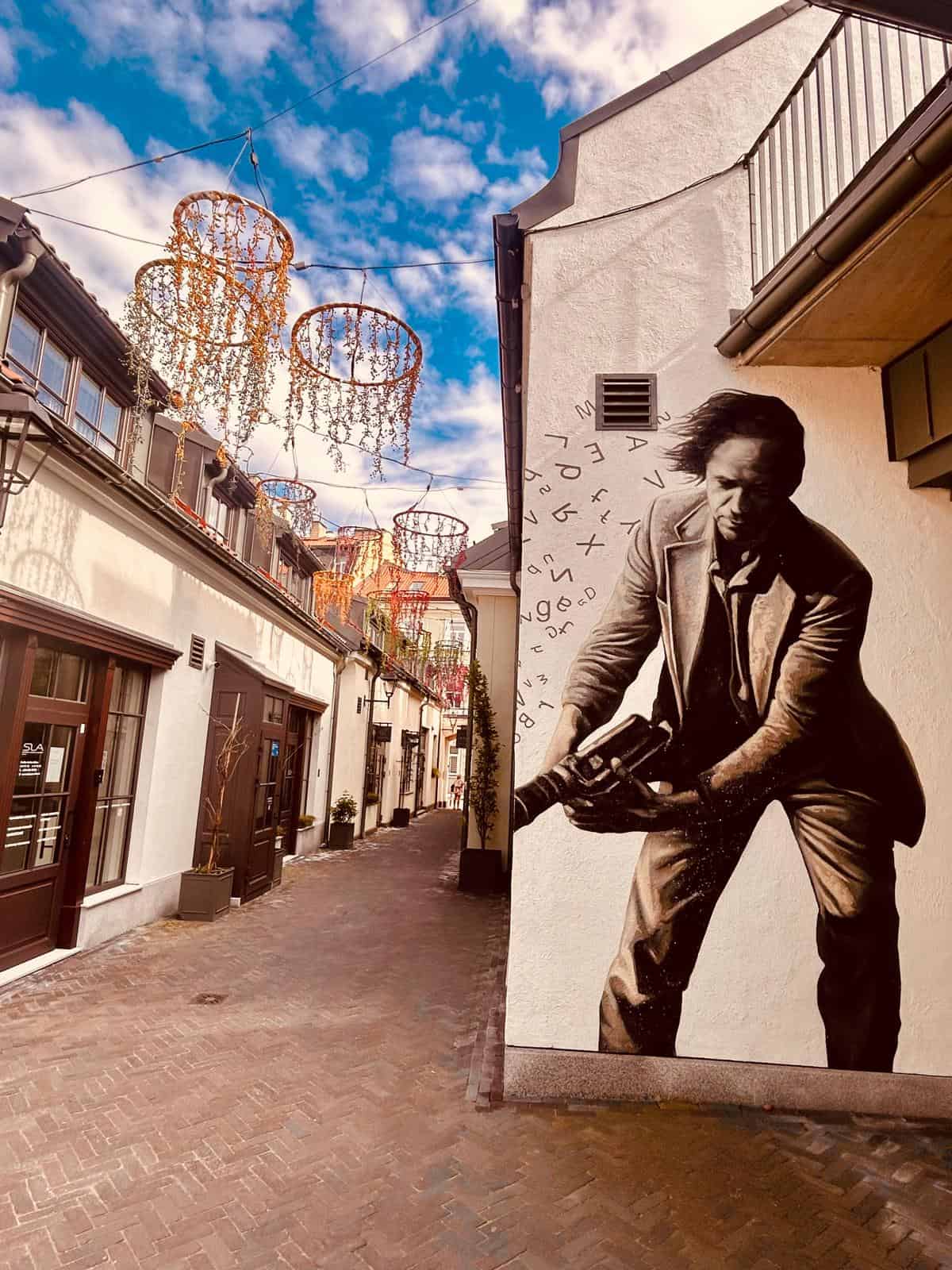
As someone who spent years living in Venice Beach, I’m naturally drawn to bohemian corners of the world. They feel like kindred spirits separated only by geography. Places where creativity and personality spill onto the streets, conversations casually float on, and life moves to its own beat. Užupis was exactly that.
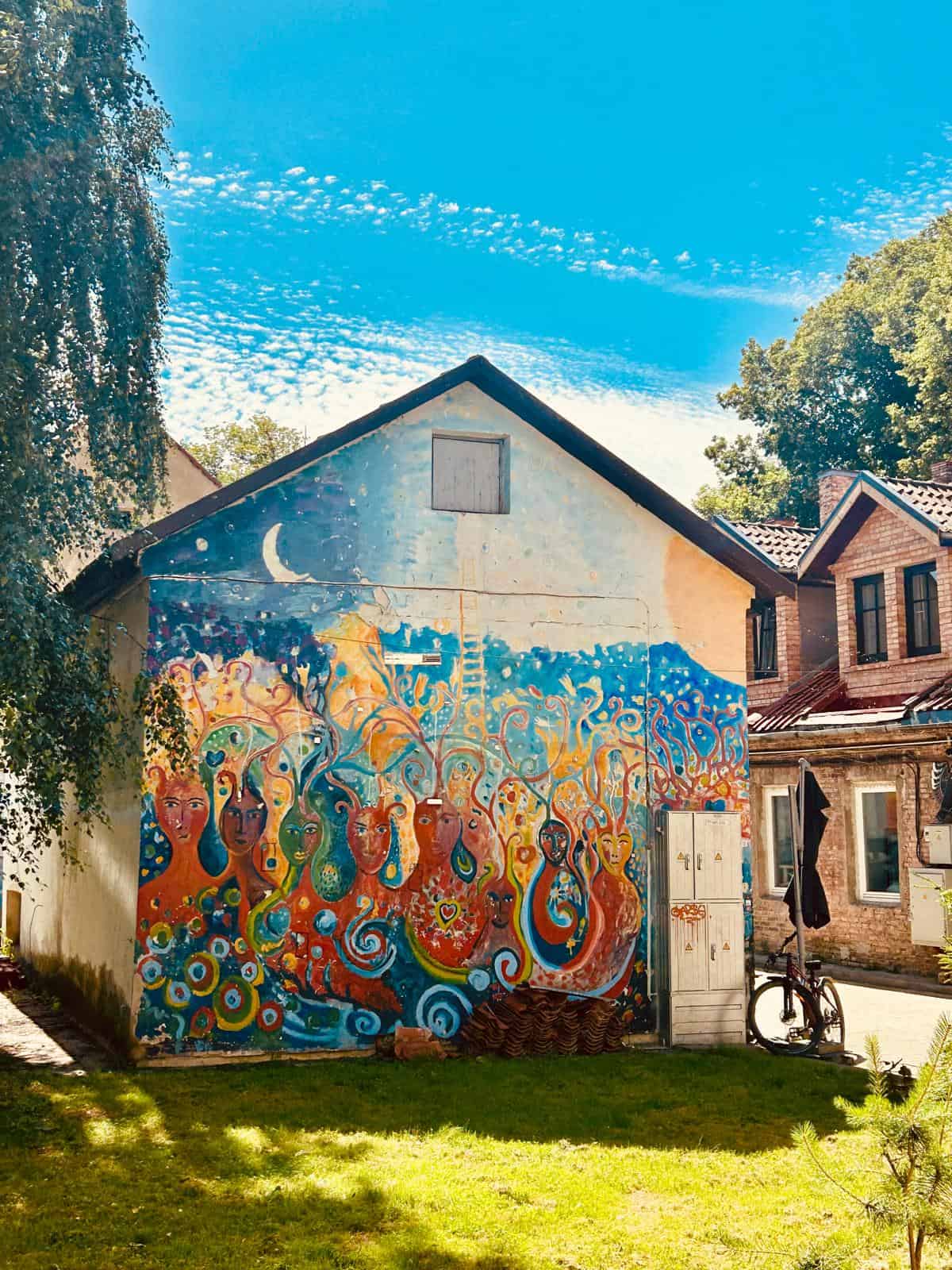
A Perfect Day
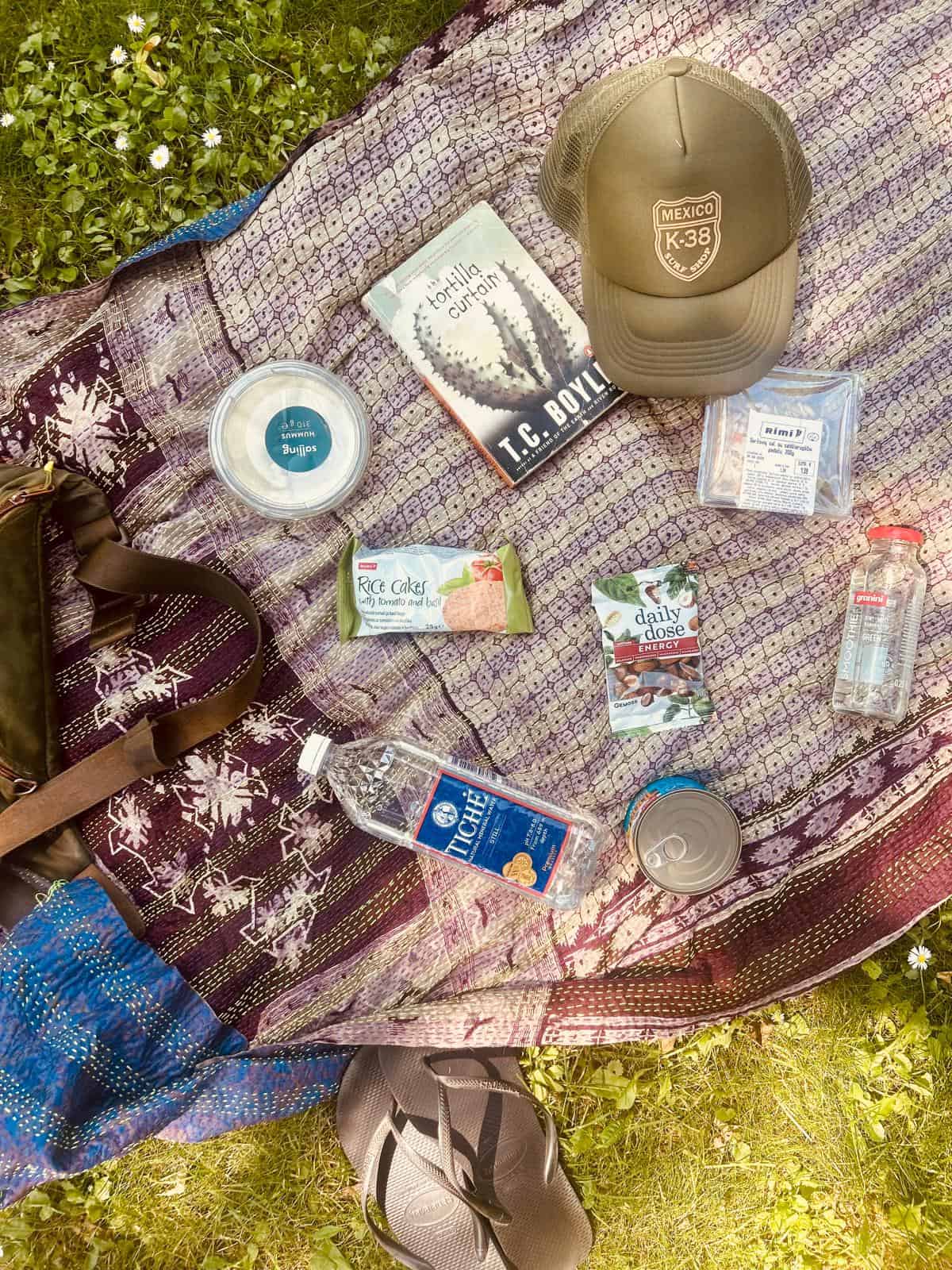
A perfect day would be wandering through Užupis exploring the art, jewelry, food, and waterways. Then spend an afternoon in Bernardine Garden with your favorite picnic treats and a good book. If you want to dig into the history to gain a proper understanding of what this region has endured, don’t miss the Museum of Occupations and Freedom Fighters. For dinner, try a traditional restaurant. I loved the sorrel soup and potato dumplings at Senoji Trobelė.
Riga, Latvia (the elegant one)
Riga didn’t quietly charm like Vilnius had. It arrived with confidence.
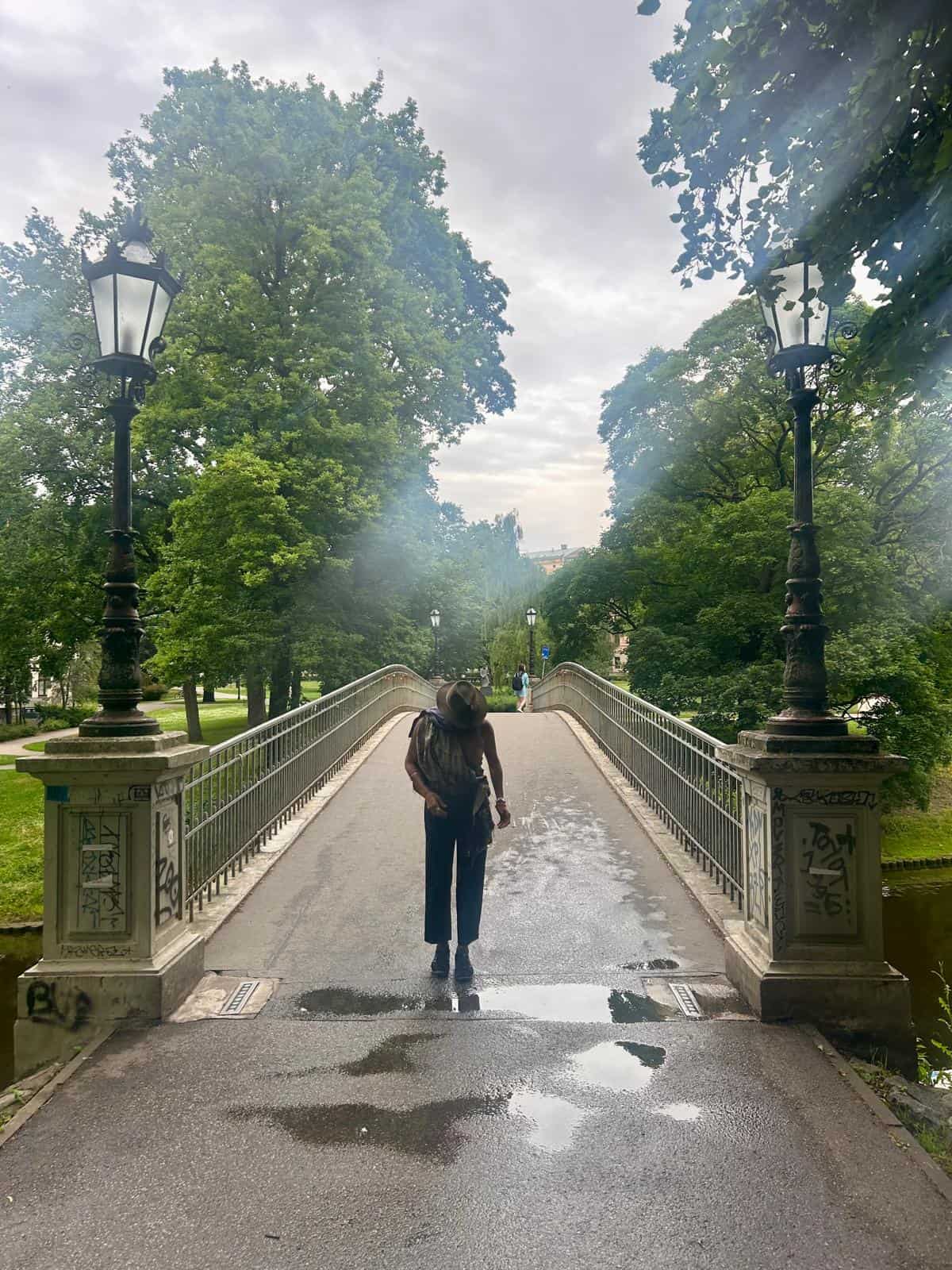
As the largest of the three Baltic capitals, Riga has a noticeably different energy. The streets are wider, the architecture more dramatic, and the city hums as a place that has spent centuries at the center of Baltic life. Yet despite its size, it never felt overwhelming; everything remained walkable.
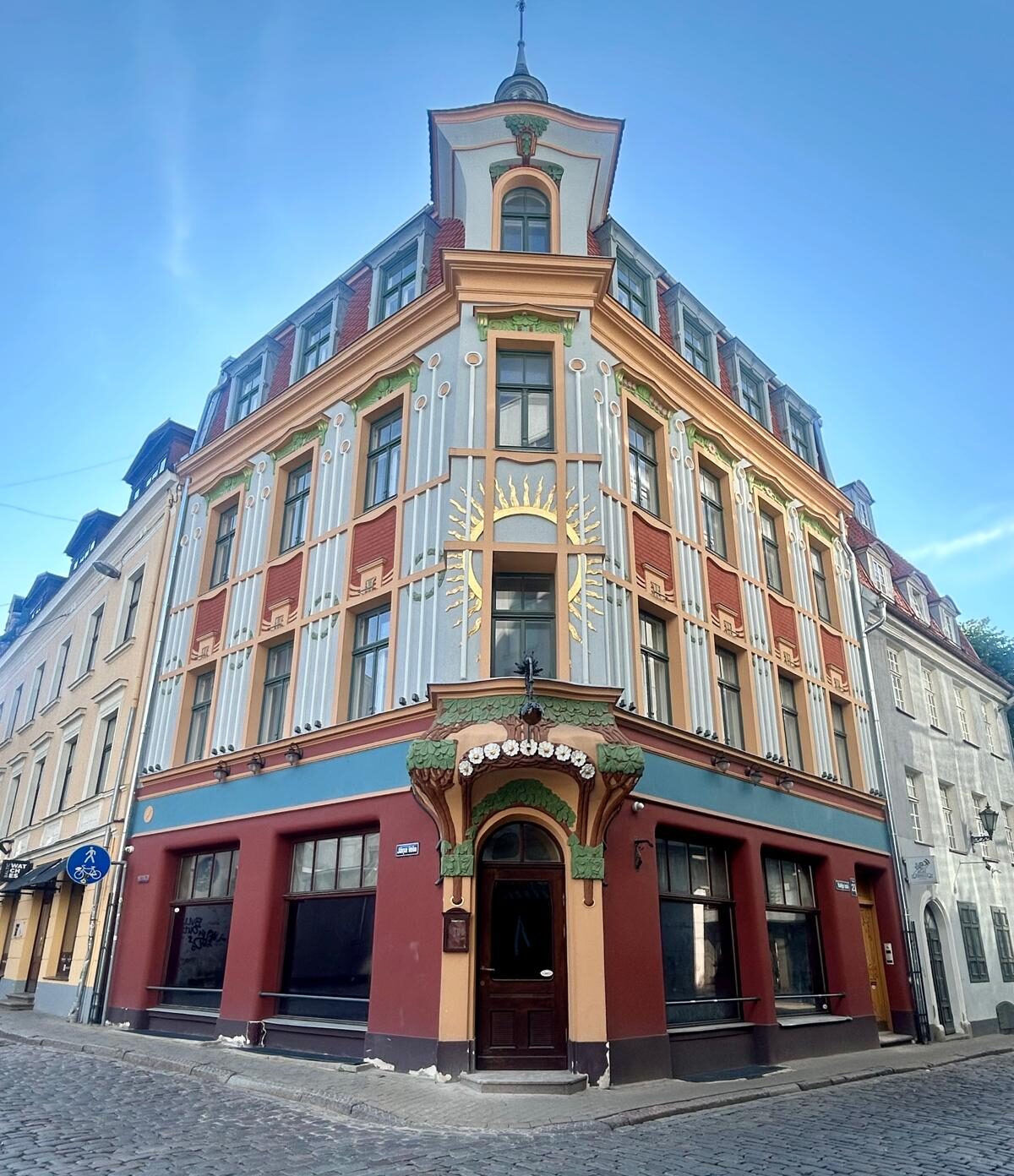
That sense of grandeur isn’t accidental. Founded in 1201, Riga quickly became one of the most important trading cities in Northern Europe after joining the Hanseatic League. Wealth poured into the city for centuries, leaving behind an architectural legacy that still defines it today. While the medieval Old Town is beautifully preserved, it’s Riga’s Art Nouveau district that truly steals the show. Entire streets are lined with ornate facades, sculpted faces, elaborate balconies, and intricate details that reward anyone willing to look up. Even an ordinary stroll feels like walking through an open-air museum.
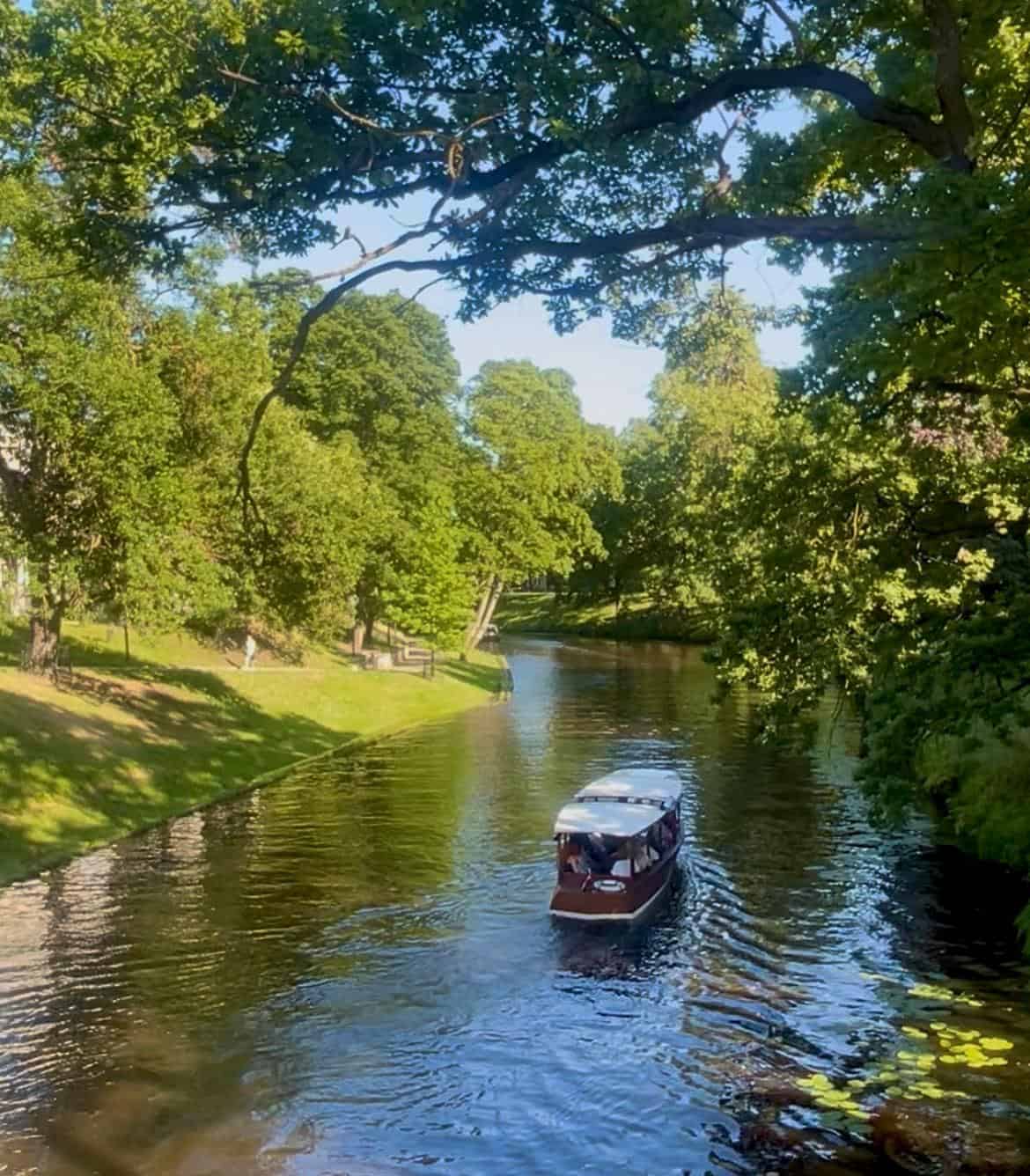
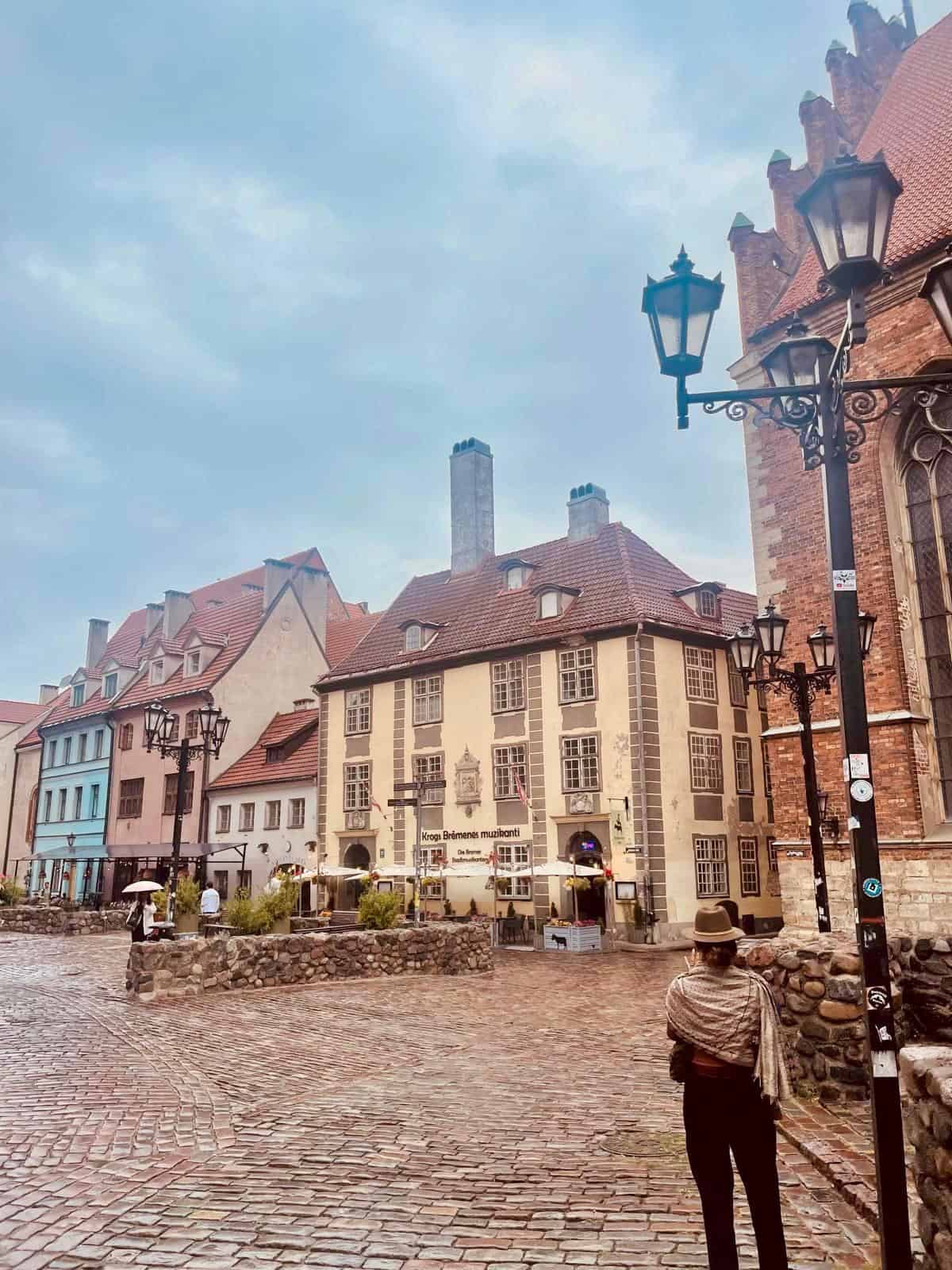
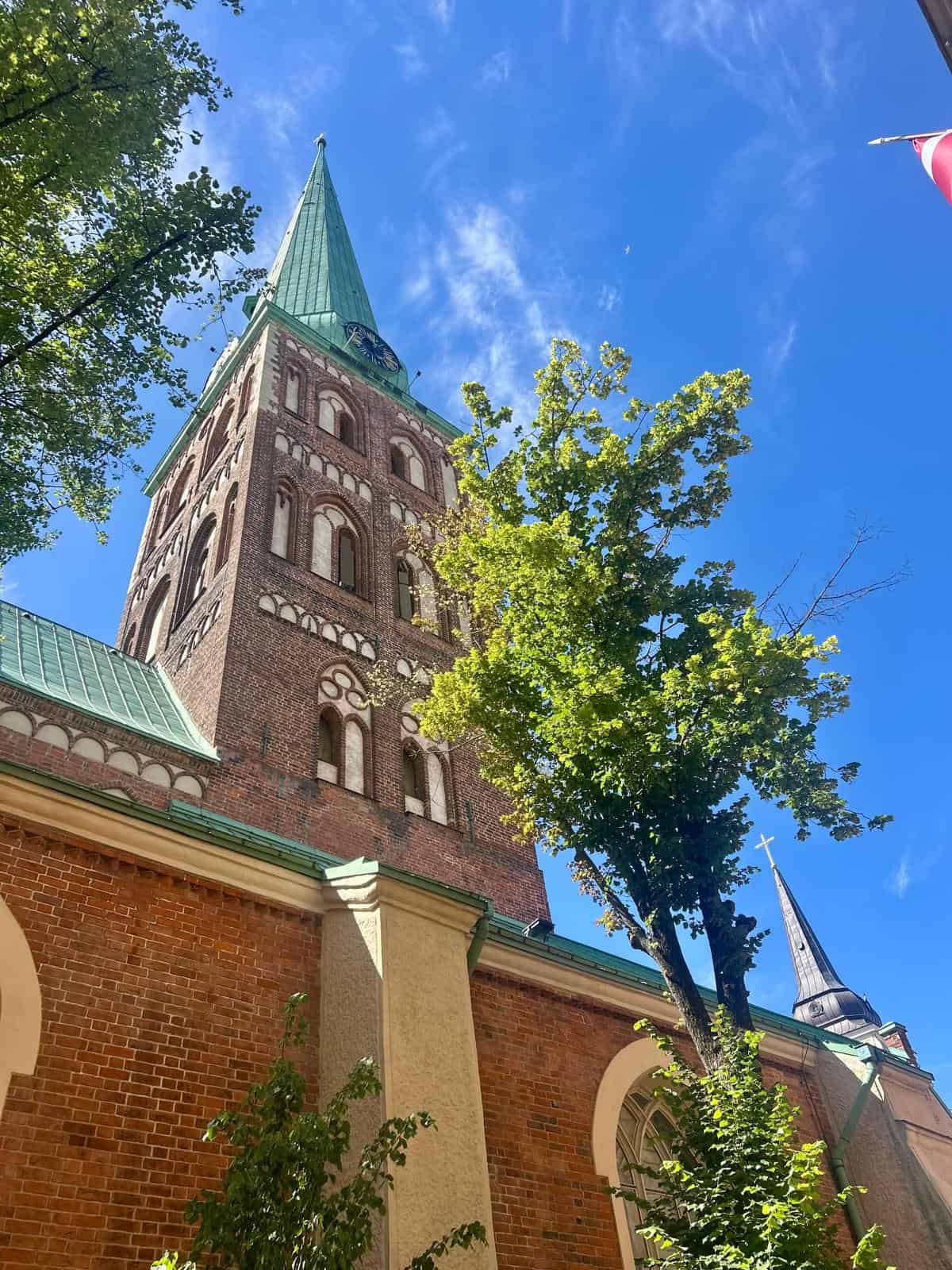
Of course, some of my favorite moments were much simpler. Strolling Old Town and enjoying the landscape with no particular destination. Crossing the bridges over the Daugava River as the skyline changed with every step. Joining locals and travelers to watch the World Cup in lively squares, where we suddenly had a couple of new friends.
The Castle of Light
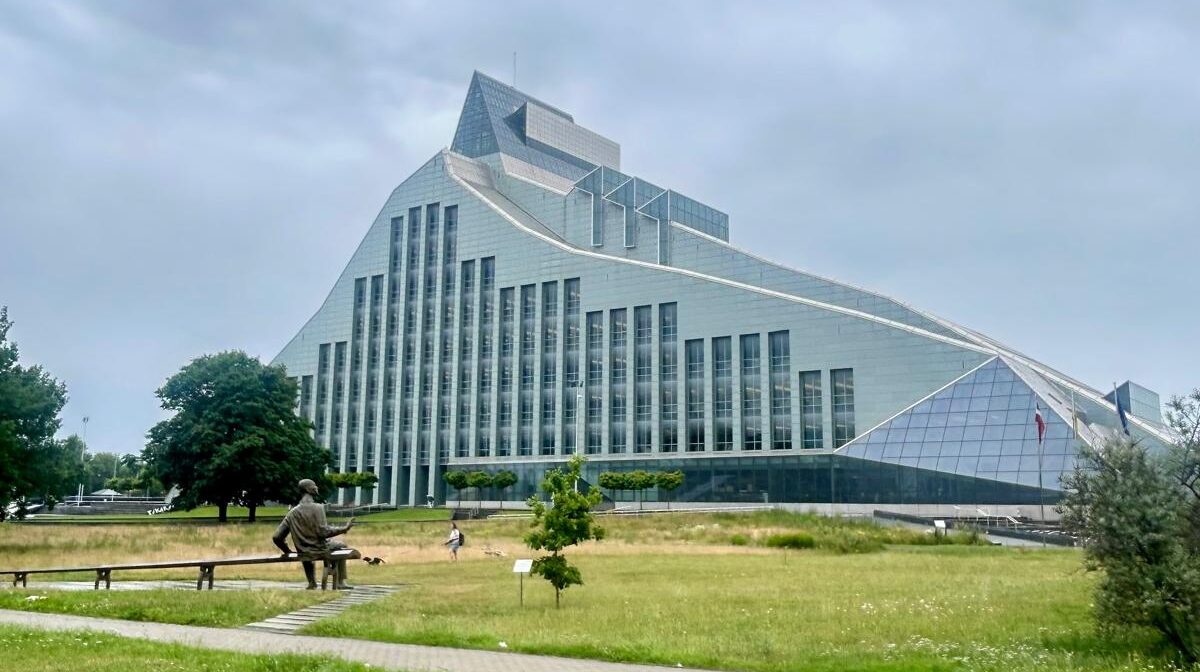
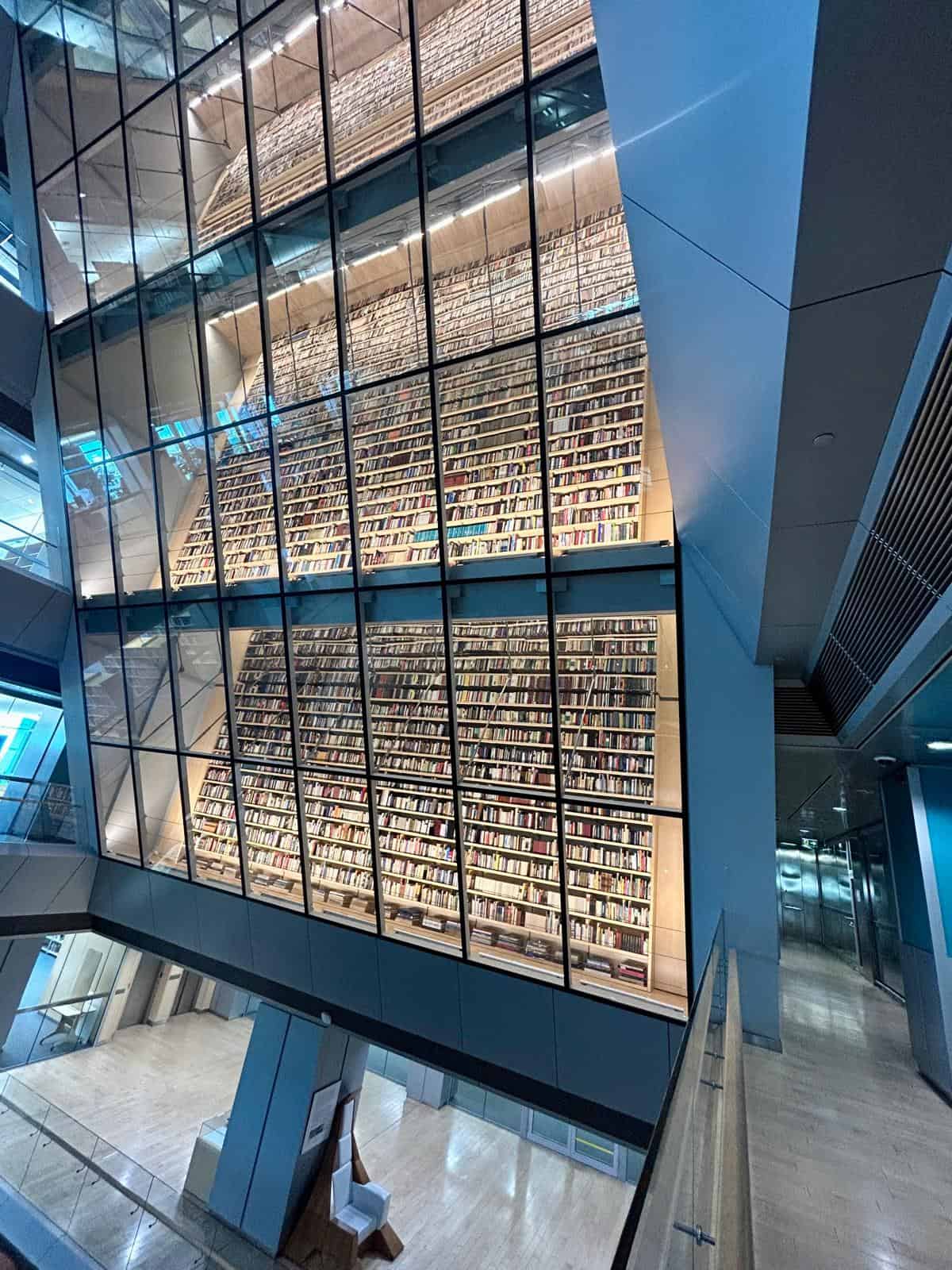
One place I wouldn’t miss while roaming the Baltics is the Latvian National Library, a striking glass landmark rising above the opposite bank of the Daugava River. Known as the Castle of Light, it was designed by Latvian-American architect Gunnar Birkerts as a symbol of knowledge, resilience, and national identity. Inspired by Latvian folklore, the building is deeply modern while telling a story of the country’s past.
Inside, sunlight pours through the soaring atrium, while the upper floors offer some of the best panoramic views over Riga. Before you leave, stop by the gift shop. They’ve curated a thoughtful collection of books, design pieces, and mementos that feel as distinctive as the library itself.
Simply Wandering
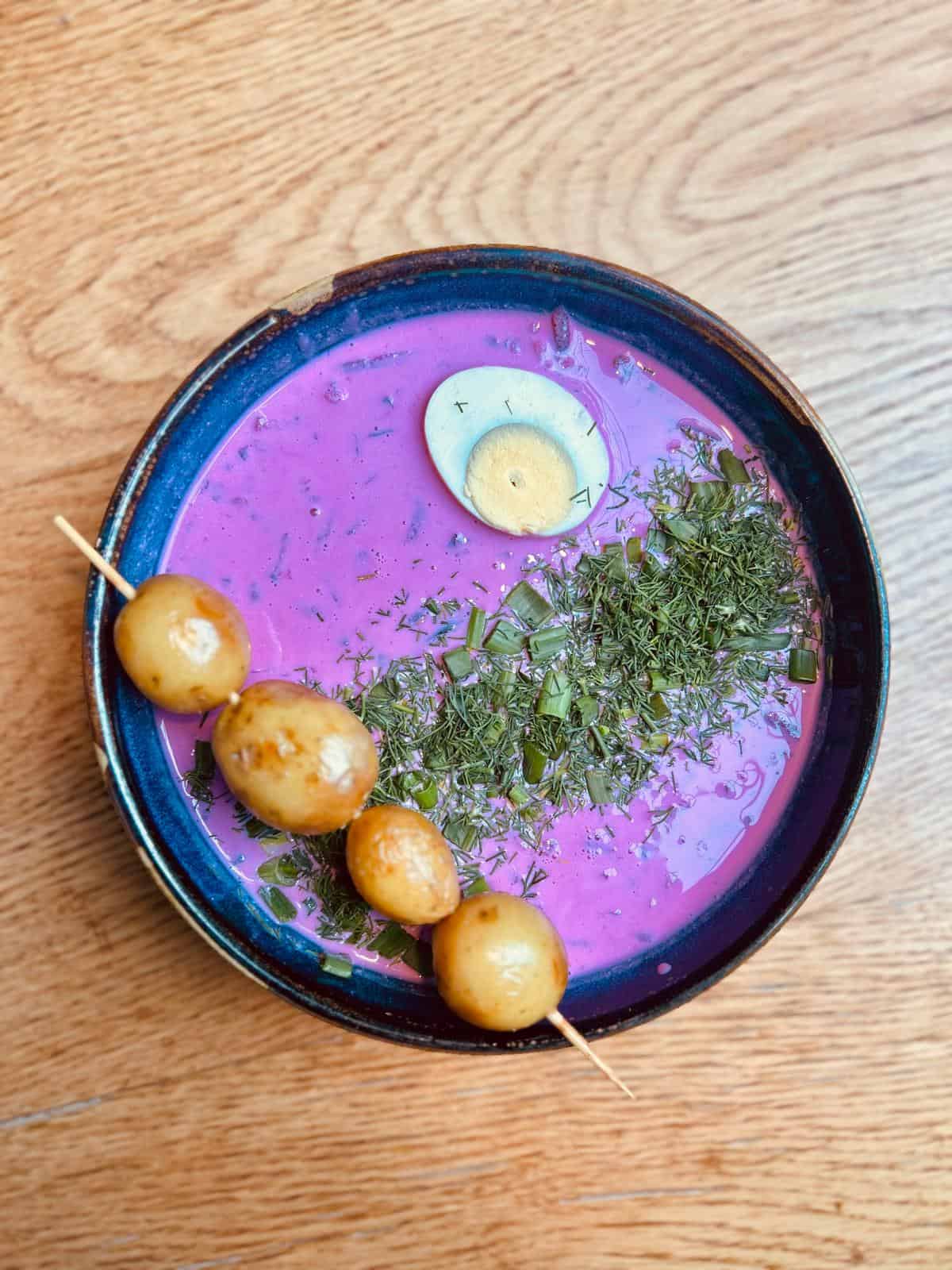
Beyond the architecture, some of my favorite memories came from simply wandering. One afternoon I explored the Central Market, one of Europe’s largest markets. Here, locals shop and sell beneath enormous former Zeppelin hangars that have been transformed into vibrant food halls. If you visit, be sure to try aukstā zupa, a bright pink cold beet soup, and save room for rye bread pudding, a unique dessert. Before you leave, see the city from the water on a Daugava River cruise or take a ride on Riga’s little blue cable car.
Even though Riga is the biggest city you will visit while roaming the Baltics, it never lost its warmth and accessibility. It felt cultured without being pretentious, lively without being chaotic, and grand without boasting.
Tallinn, Estonia (the storybook)
Our last country while roaming the Baltics was Estonia. Tallinn was the capital I had been looking forward to most.
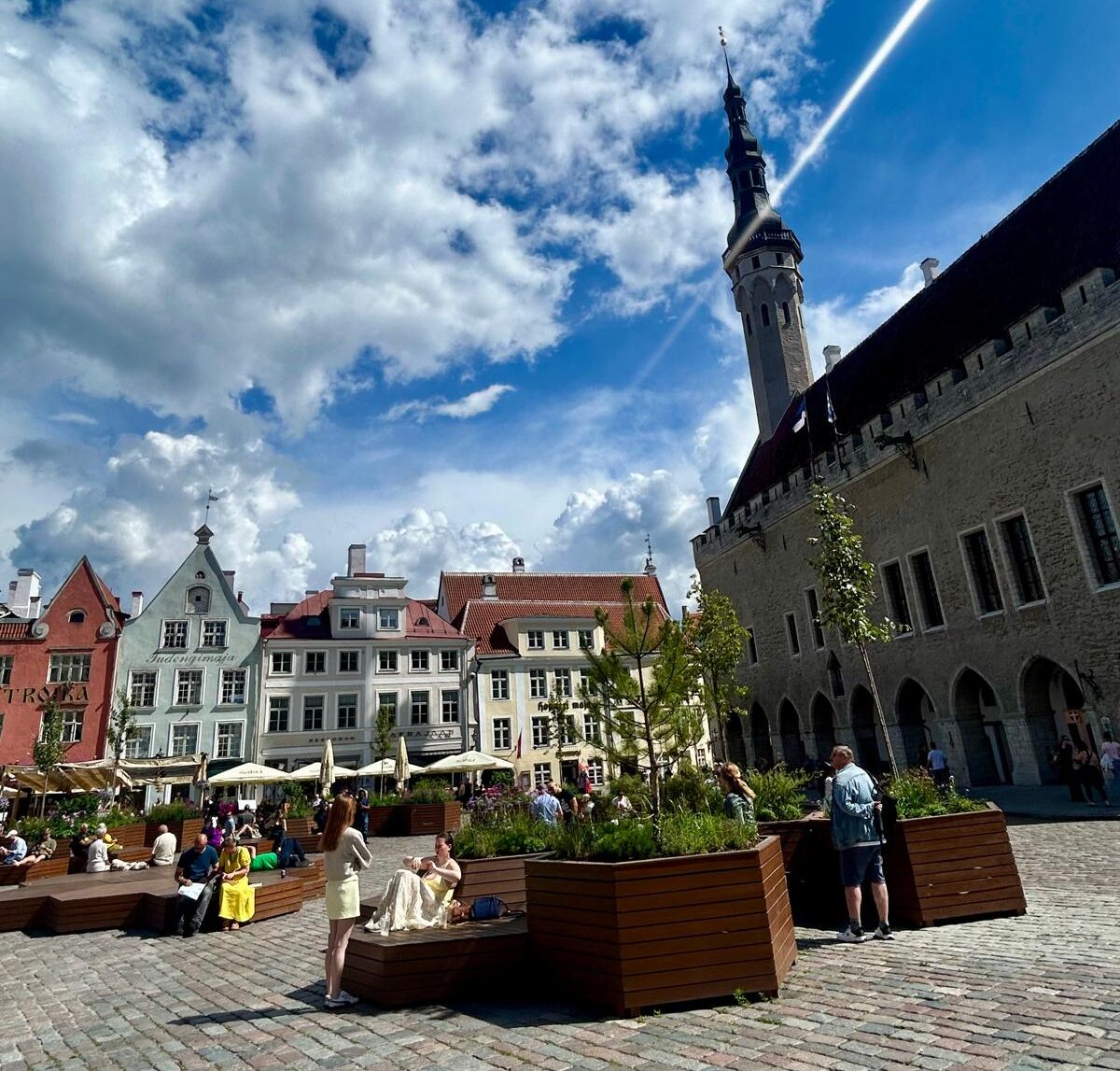
There was something about the idea of a perfectly preserved medieval town with strong Nordic influence that felt fascinating and contradictory. It felt like an unexpected combination, and after hearing so many people rave about Estonia’s capital, my expectations were high.
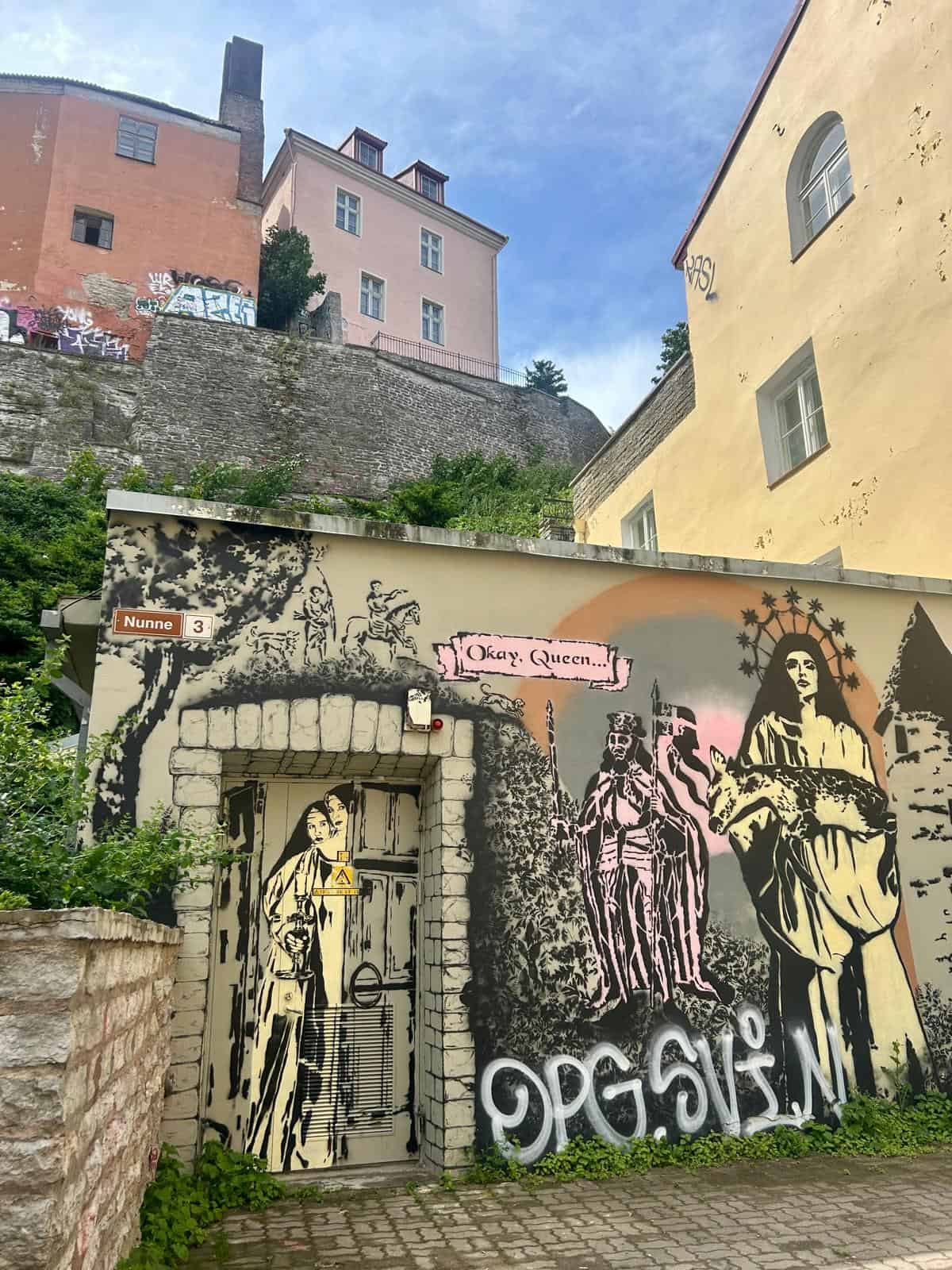
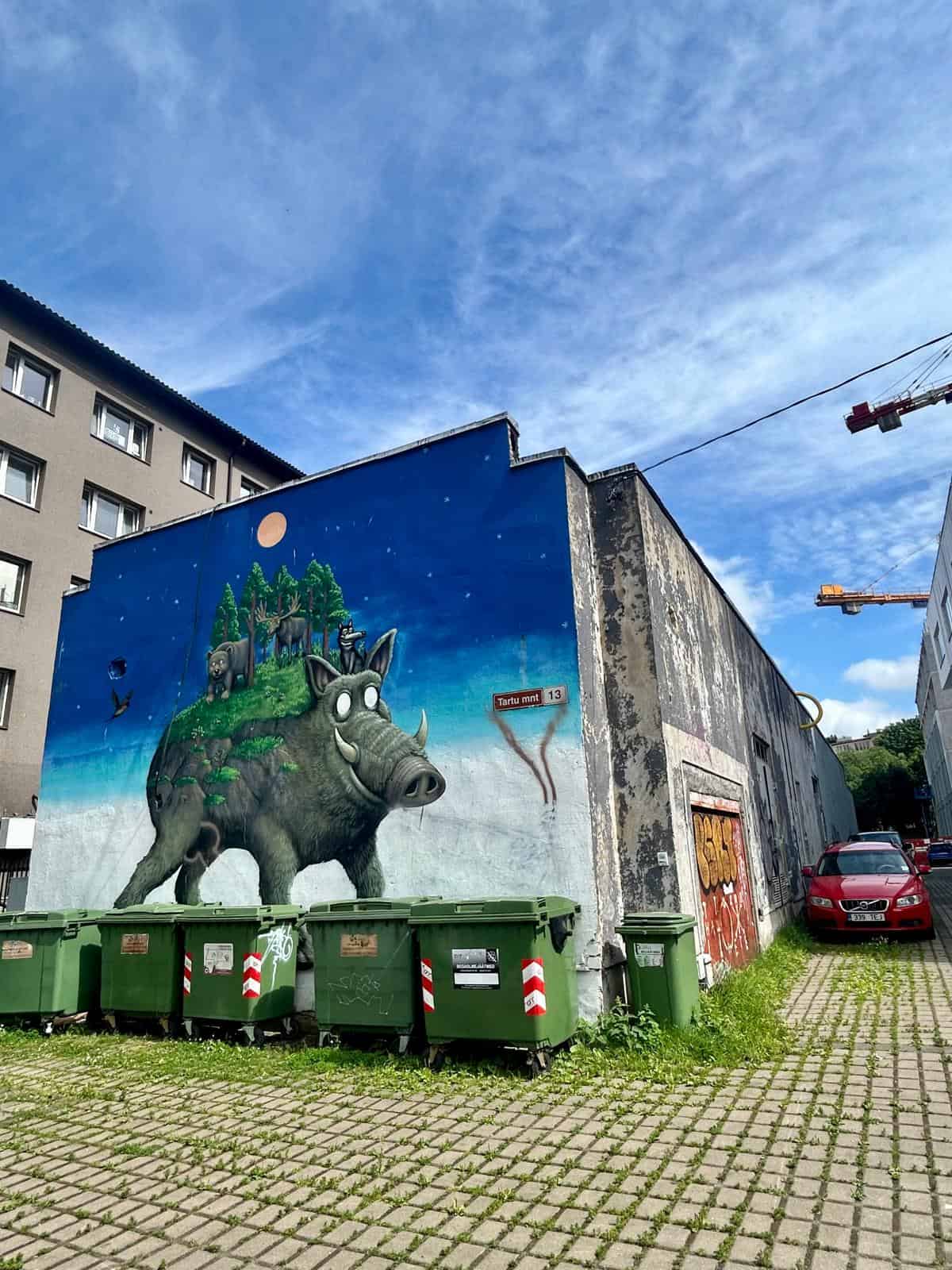
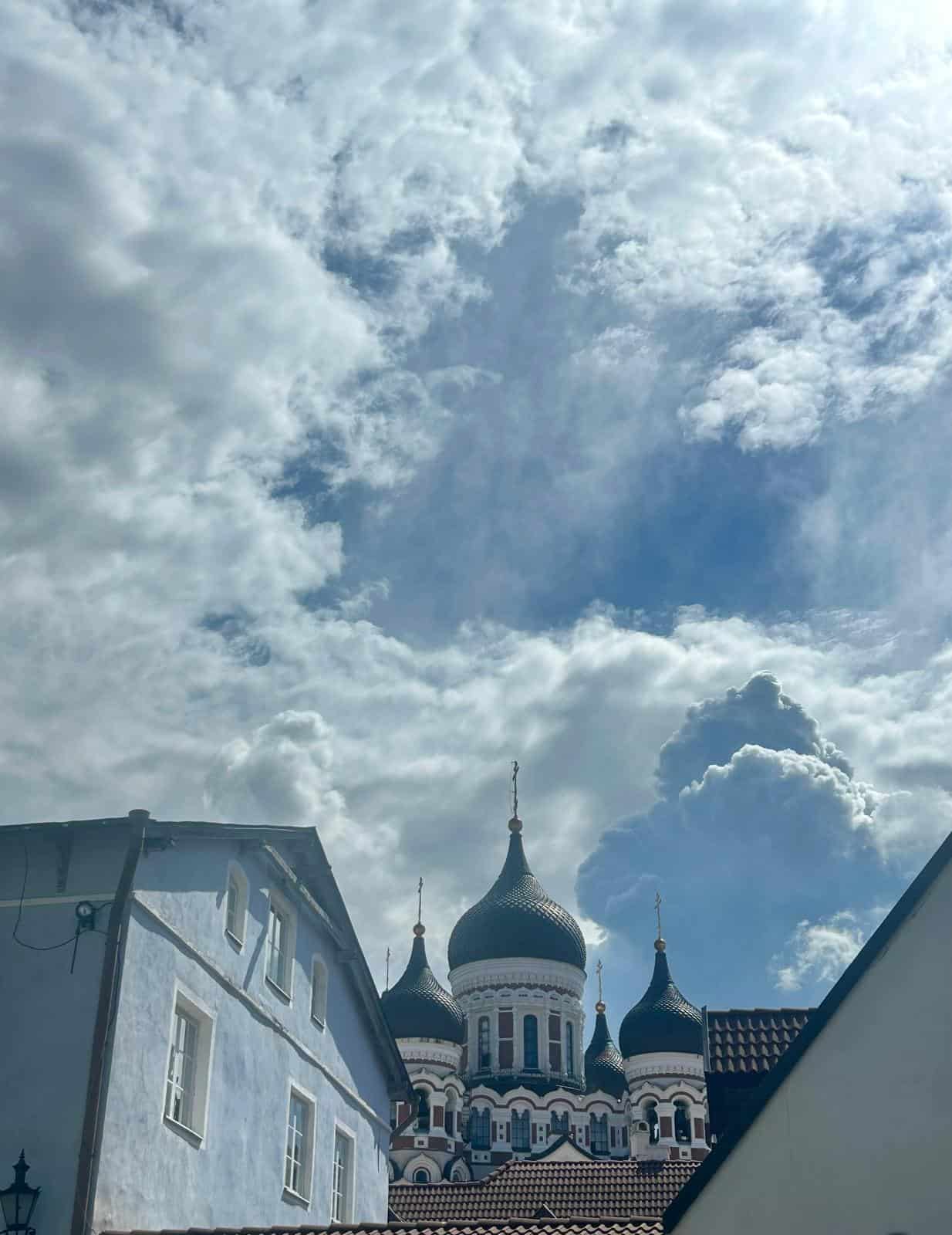
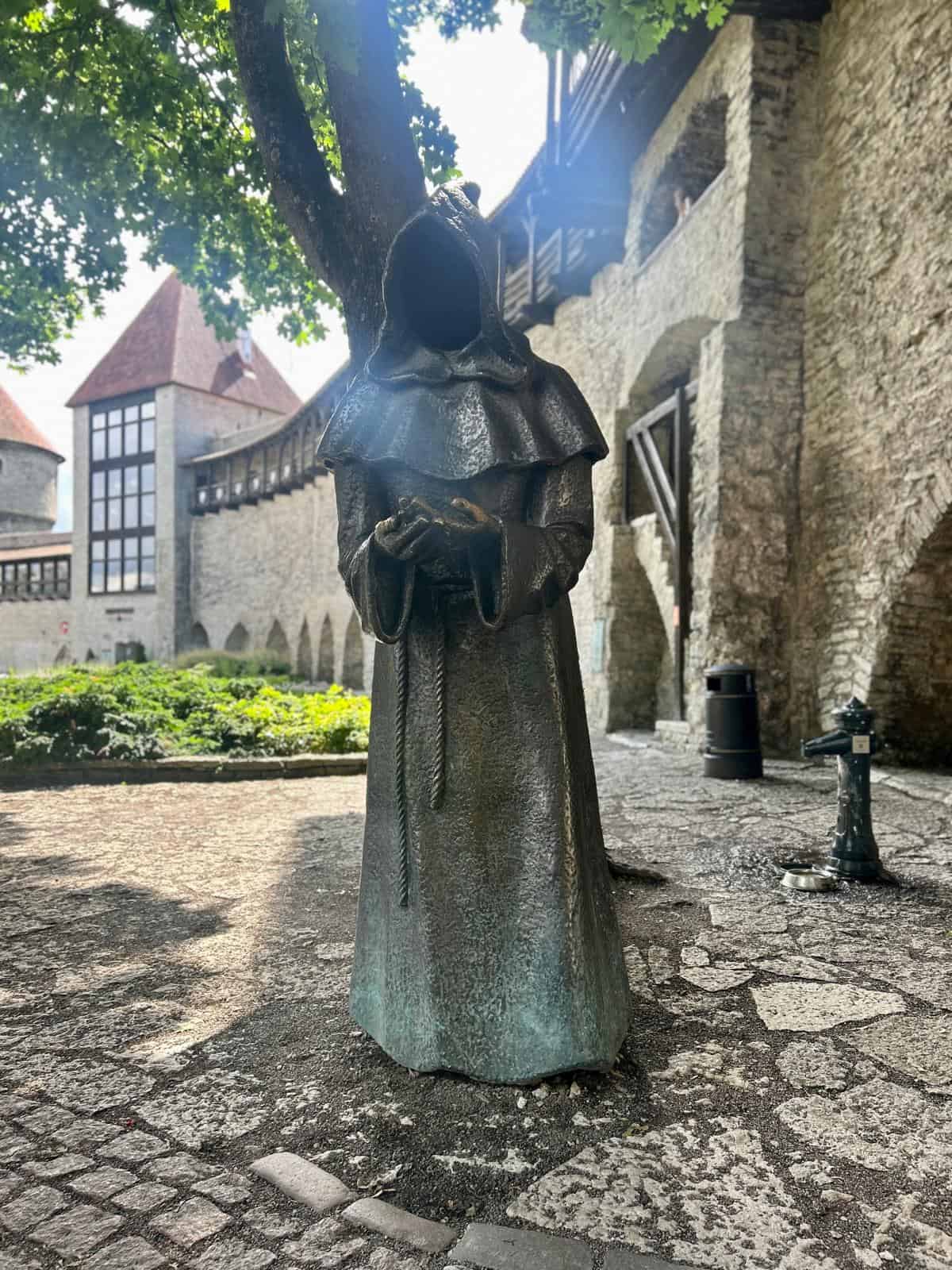
Walking through the Old Town felt less like visiting a historic district and more like stepping into another century. Stone alleyways twisted between colorful merchant houses, church spires rose above ancient city walls, and nearly every corner revealed another hidden passage. Rather than feeling overly preserved, you are just living in the past. Maybe the only time this is a good thing!
Exceptional Dining
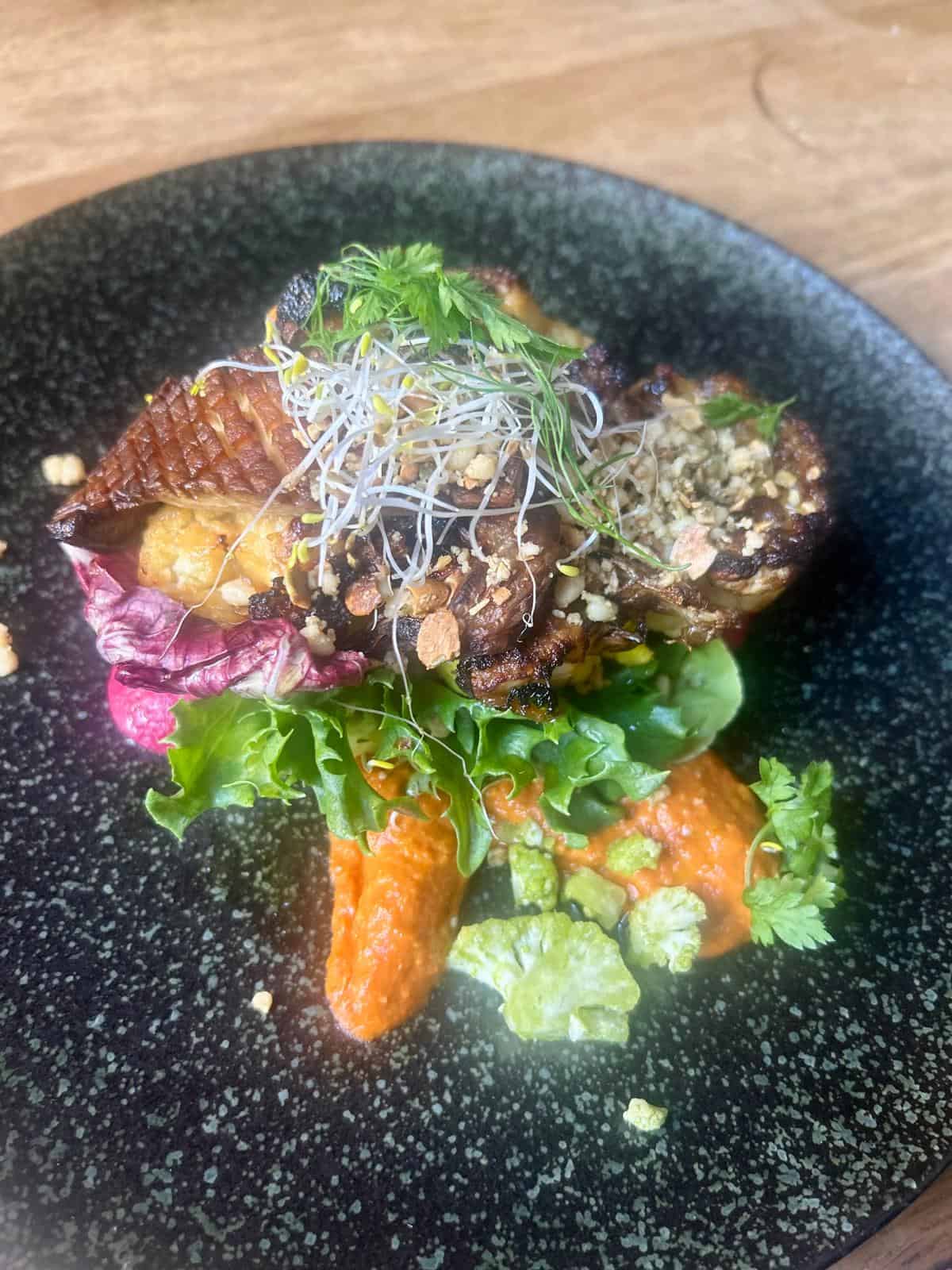
The food scene rocked us in Tallinn! One of the best ways to embrace that history is over dinner. We spent an evening at Olde Hansa, a medieval restaurant where the experience extends beyond the food. Candlelight replaces electric lighting, servers remain fully in character, enormous steins of beer require two hands to lift, and the menu is inspired by recipes from centuries ago. It could easily feel gimmicky, but somehow it doesn’t. Instead, it becomes one of those immersive experiences that you end up talking about long after. I still think about the creamy wild mushroom soup and herb-infused beer.
For a more contemporary take on Estonian cuisine, reserve a table at Rataskaevu 16, one of Tallinn’s most beloved restaurants. The blue cheese cheesecake was unlike anything I’d ever tasted, and their creative cocktails were every bit as memorable. It’s the perfect reminder that while Tallinn proudly celebrates its past, it also has a compelling modern food scene.
Soviet Finds Full of History
One of my favorite discoveries came while wandering the quieter side streets. Tucked between local shops were small antique stores filled with authentic Soviet-era memorabilia. Old cameras, military medals, propaganda posters, Olympic relics, typewriters, and vinyl records. Each object told a story of Estonia’s more recent past. Unlike souvenirs made for tourists, these pieces carried real history, each with a story waiting to be imagined.
Tallinn is a city where history isn’t confined to museums. It lives in the restaurants, the architecture, the family-owned shops, and the streets themselves. It was the perfect final chapter to my journey roaming the Baltics.
Roaming the Baltics ~ Goodbye for Now
Before roaming the Baltics, I assumed Vilnius, Riga, and Tallinn would feel like variations of the same destination. Three neighboring capitals connected by geography and history. I couldn’t have been more wrong! Long before I boarded the ferry to Helsinki (that article loading), that idea had completely disappeared.
Vilnius helped me to slow down. Riga encouraged me to look up. Tallinn invited me to step back in time. Together they created an unforgettable trip, each leaving a unique imprint.
Perhaps that’s what surprised me most. The Baltics aren’t one destination at all. They’re three distinct countries that happen to share a corner of Europe. And that’s exactly why I think they’re best experienced together!
Happy travels,
Bekah
PS ~ If you are looking to continue your journey south, check out my 20 day tour of the Balkans by bus!