
I have wanted to tour the Balkans for years. My wish was to do it slowly, with time on my hands, seeing the region as a whole rather than in scattered pieces across different trips. As my fall travel plans began to take shape, I realized I’d need to leave the Schengen zone to spend Christmas in Italy. At the same time, I kept thinking — this was the perfect moment to finally see the Balkans! As luck would have it, my friend had the Balkan itch too. We merged itineraries and said, let’s do this.
Here’s the funny thing about our ‘tour of the Balkans by bus’ — it was supposed to be on my friend’s motorcycle! He was riding down towards Albania to meet me when the Bosnian border control stopped him for not having the bike’s original papers. So he posted up in Dubrovnik, waiting on the documents. We waited for a week and a half — me in Albania, him in Croatia. When the papers still hadn’t arrived, we said, let’s go by bus! It wasn’t our first choice, and yes, we were a little let down, but sometimes you just have to keep it moving. With zero regrets and a wildly memorable Balkan tour behind me, here’s the route we chose and the highlights that stayed with me.
Tour of the Balkans
Depending on whom you ask, the Balkan region comprises 10-13 countries stitched together by shared history, layered borders, and wildly different identities. Greece is not always listed, although I was recently at a dinner party there where the locals schooled me on my ignorance. They said enthusiastically, ‘Of course, Greece is a Balkan country!’ I’m not qualified to argue. With that said, this is a 6-country, 20-day tour of many places I have been dreaming about since childhood.
Pro Tip ~ Transport by bus was the way to go. The Balkans’ rail networks are limited, and many international connections are sparse or inconvenient, so buses are easier and generally very reliable.

The Route
Dubrovnik, Croatia – 4 days
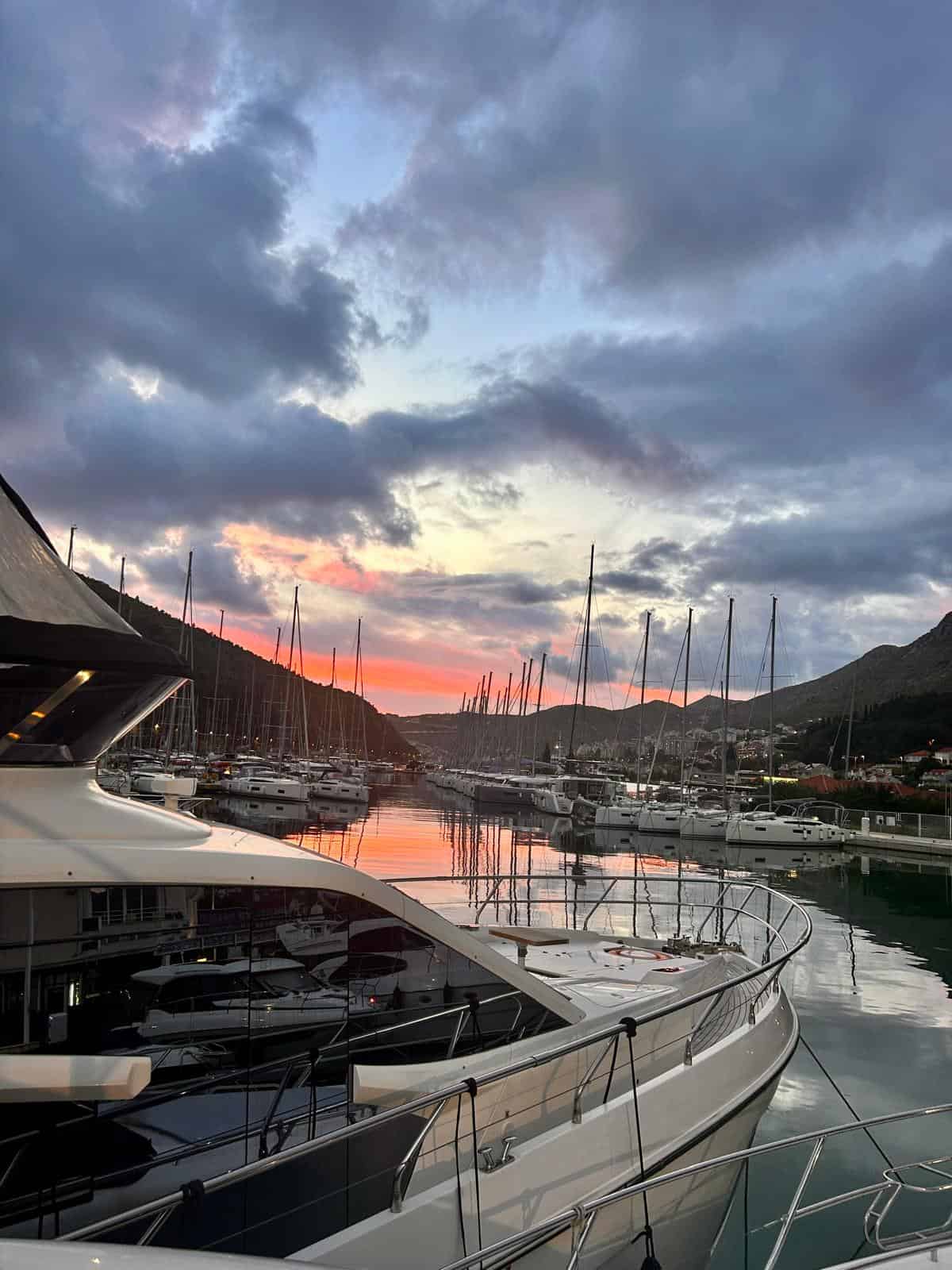
Dubrovnik was my first stop on this tour, and yes, the beauty everyone talks about is undeniable. We were lucky enough to stay on a friend’s boat in the ACI Marina, which felt like a very Croatian experience.
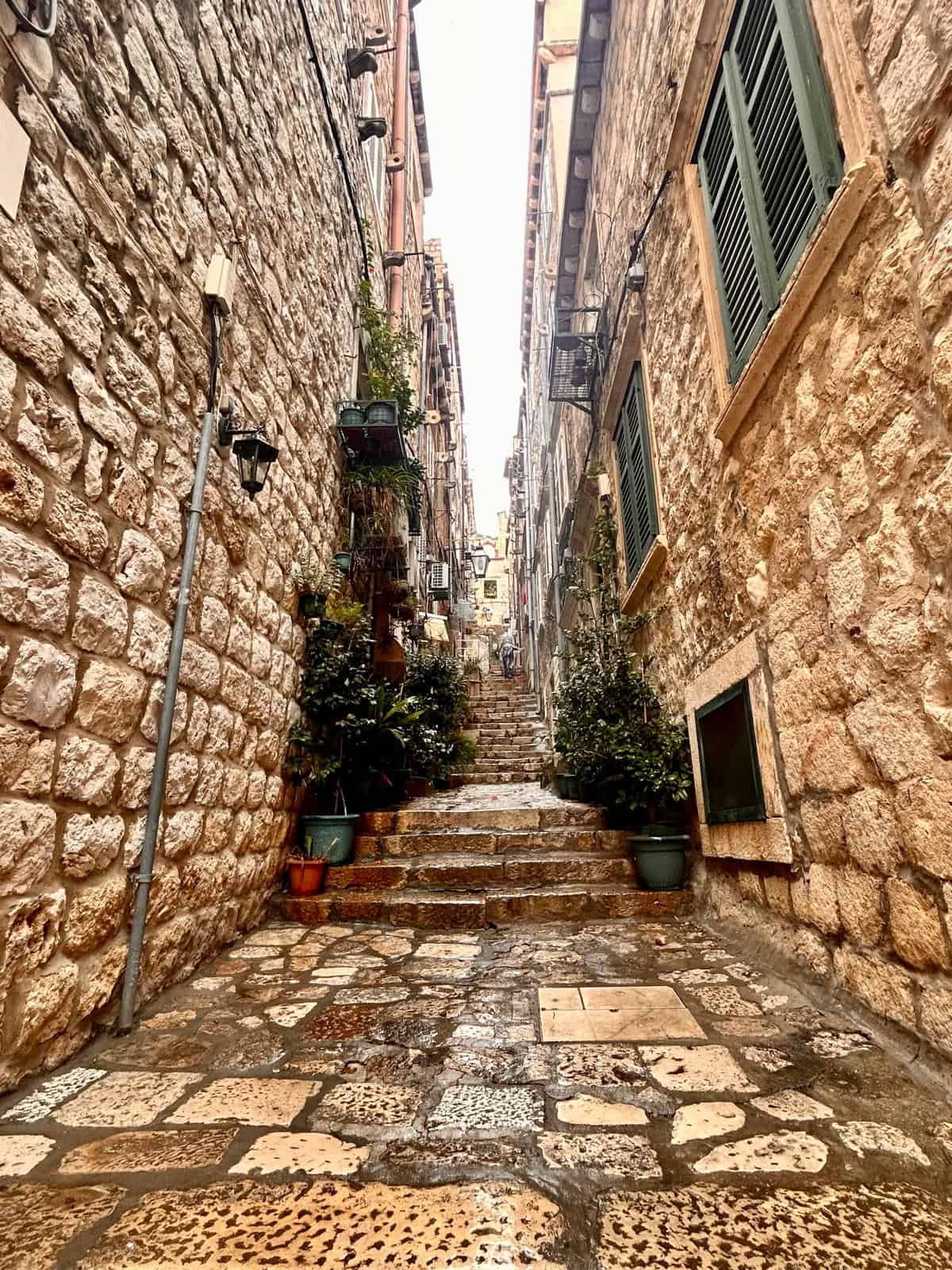
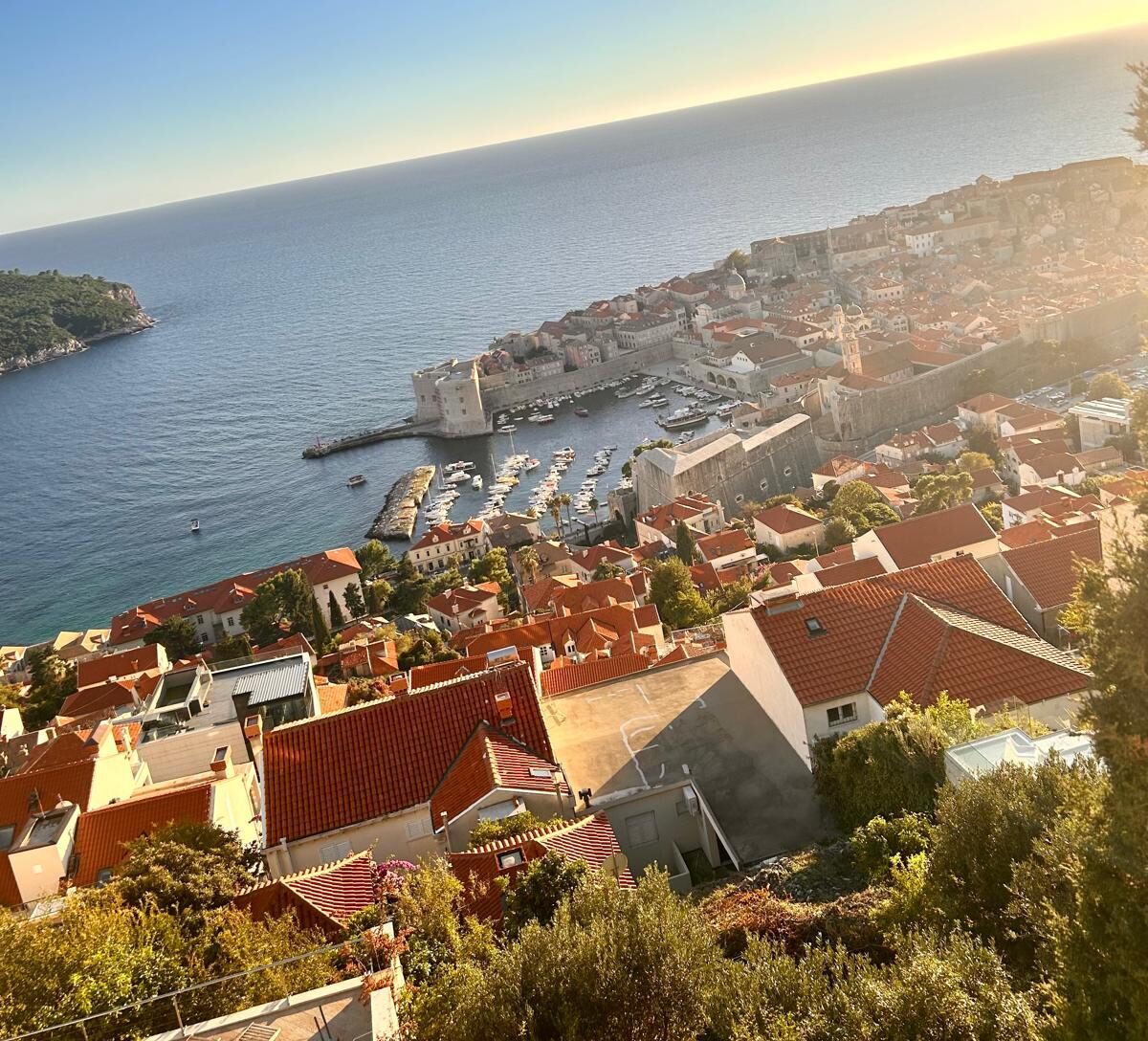
That said, Dubrovnik is touristy, even in the off-season. I expected some of that, but it gave me a glimpse of what the summer swarms must be like. I found it hard to really penetrate the heart of local life. What made it for me were the motorcycle rides, nature hikes, playing tennis, and wandering through Old Town — this is where the city’s charm lives. Four days were plenty to soak it in. From there, we parked the motorcycle and headed inland, leaving the coast behind for the roughly four-hour bus ride to Mostar.
Mostar, Bosnia and Herzegovina – 1 day
Mostar came highly recommended as we began to plan, and it was the perfect stop to break up the journey to Sarajevo.
At the heart of Mostar is the Stari Most, the Old Bridge, a 16th-century Ottoman construction that once symbolized unity between the city’s Muslim and Christian communities. During the Bosnian War in the 1990s, the bridge was deliberately destroyed during conflict between ethnic groups. This act became one of the most powerful symbols of the conflict. It was later rebuilt stone by stone and reopened in 2004.
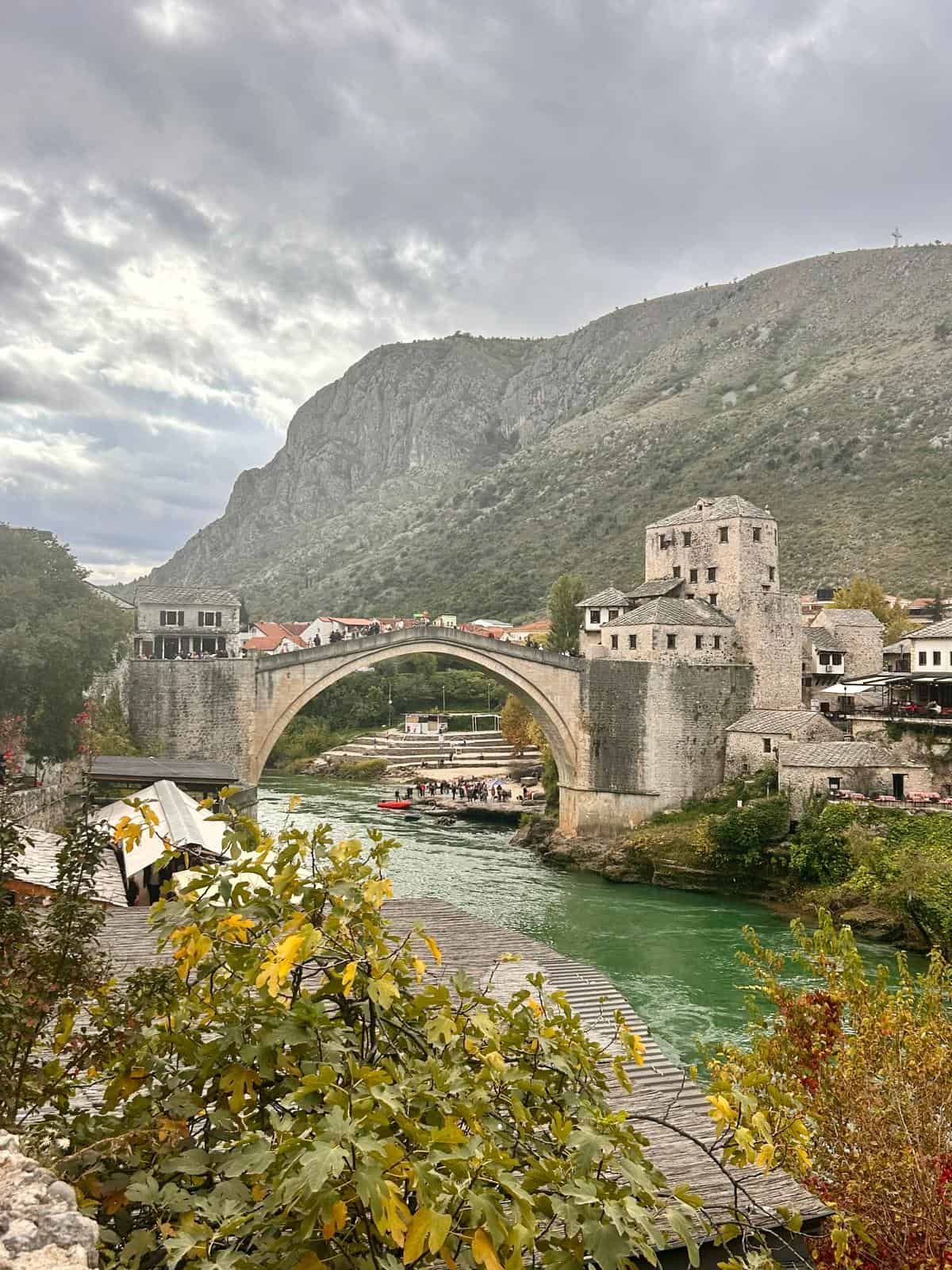
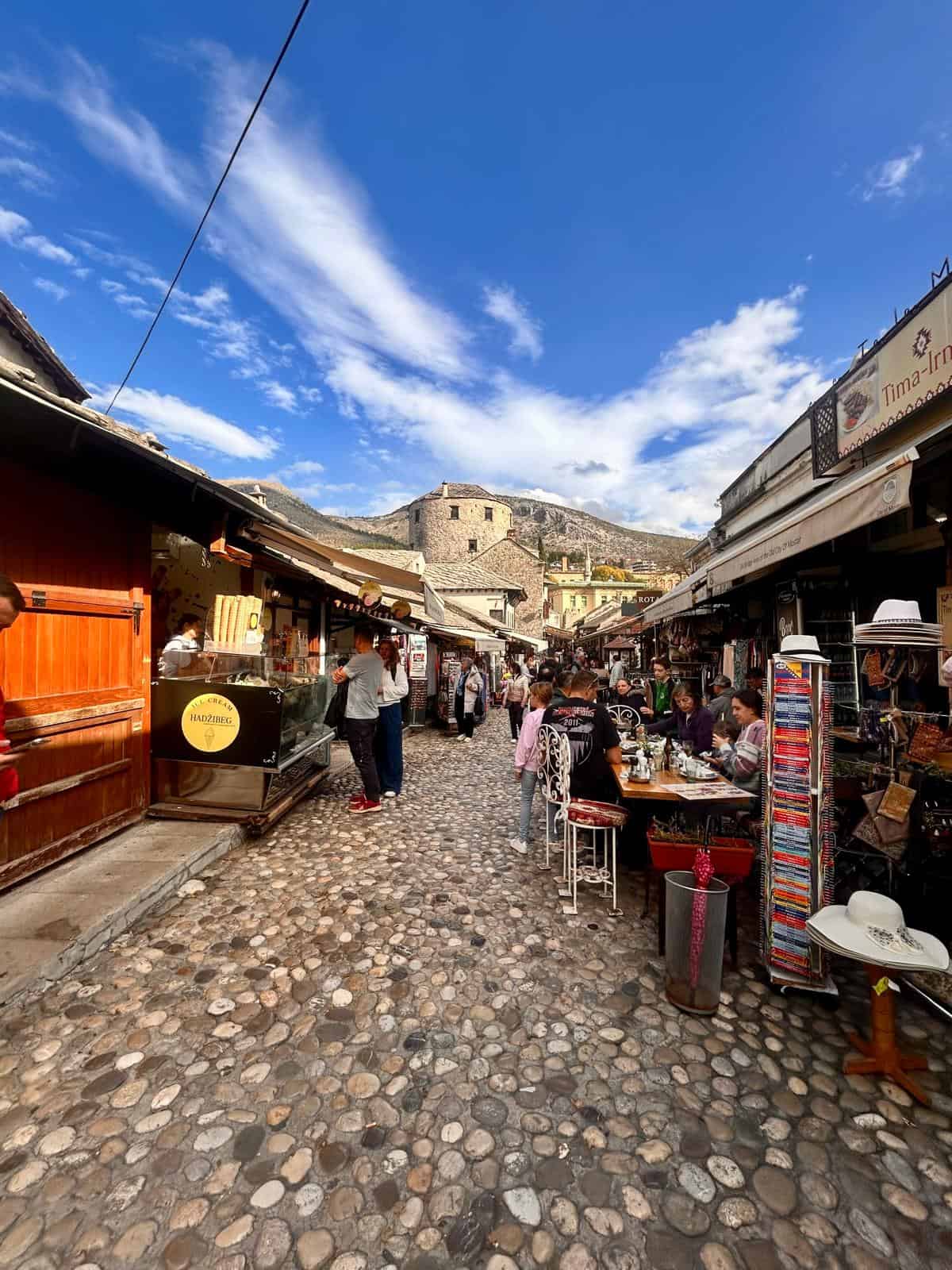
The Old Town itself is incredibly cozy, with cobblestone streets, low stone buildings, amber lighting, and the river cutting straight through the center. This was also where I had my first Bosnian meals. They were simple, full of local ingredients, and prepared just right.
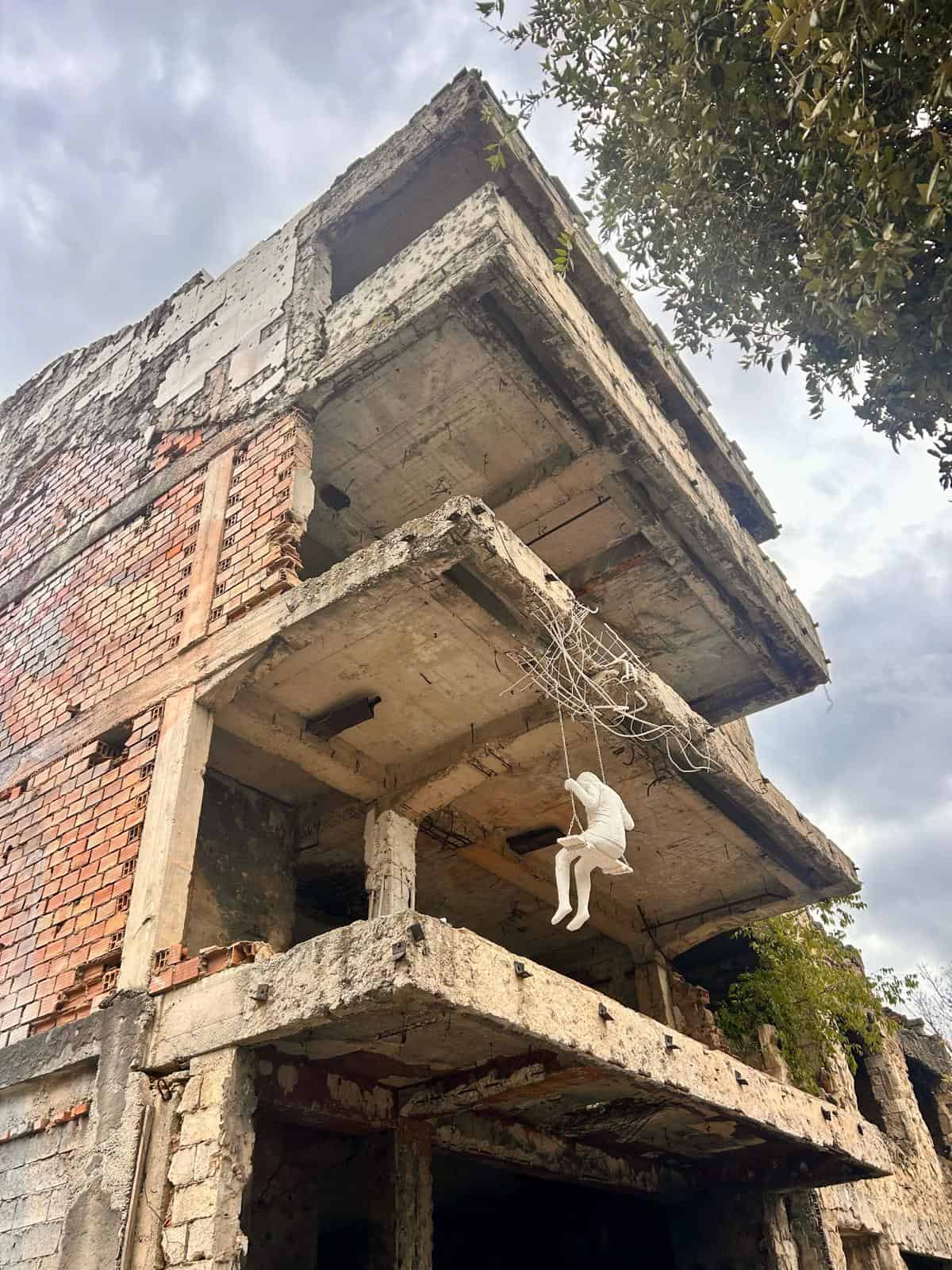
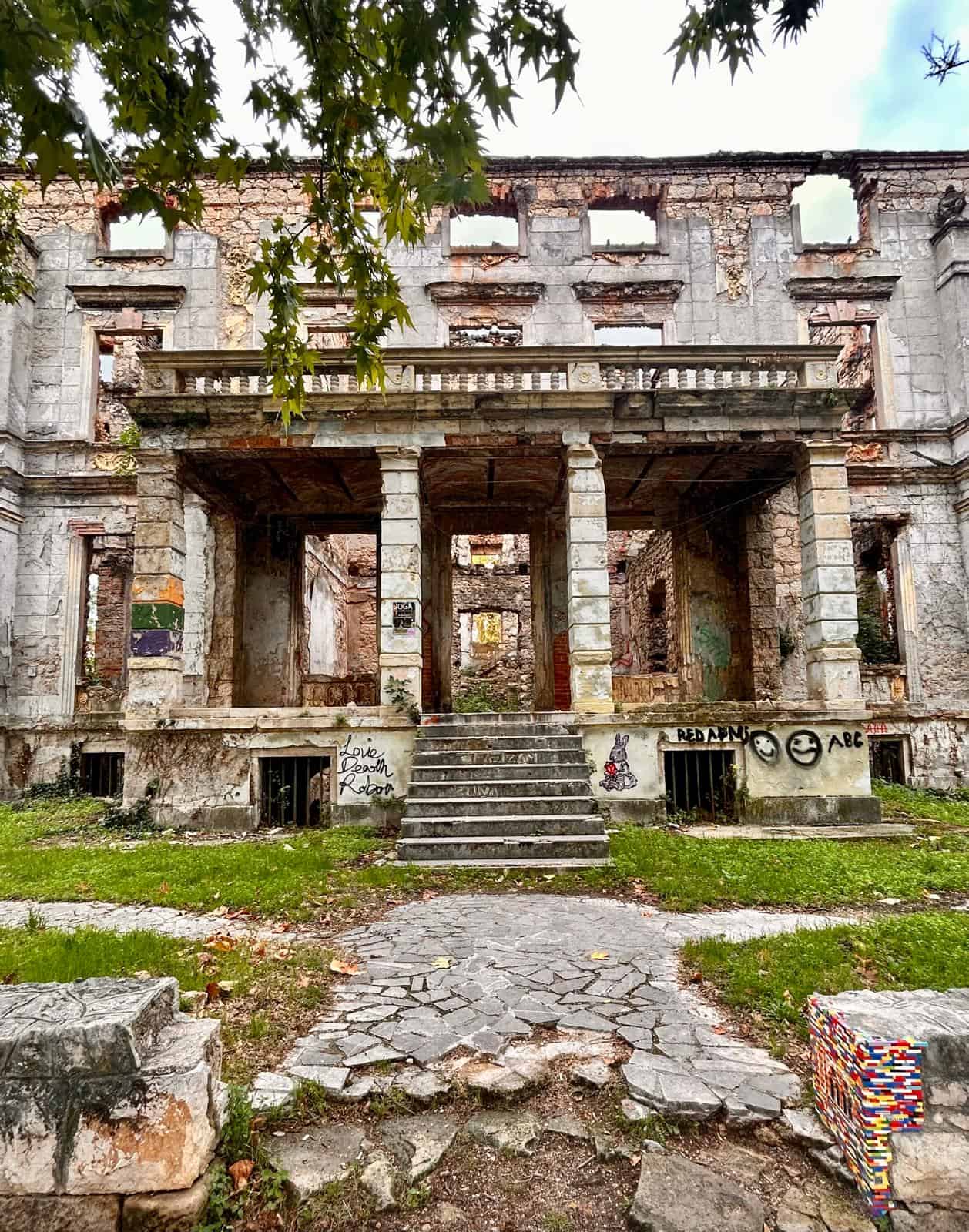
You could easily spend two days here if you want to dig deeper into the history. For us, one day was perfect. We took ourselves on a walking tour and saw everything on our list, as we knew we were heading straight into an intense history lesson in Sarajevo.
Sarajevo, Bosnia and Herzegovina – 4 days
The train ride from Mostar to Sarajevo took less than two hours and brought us just outside the city center.
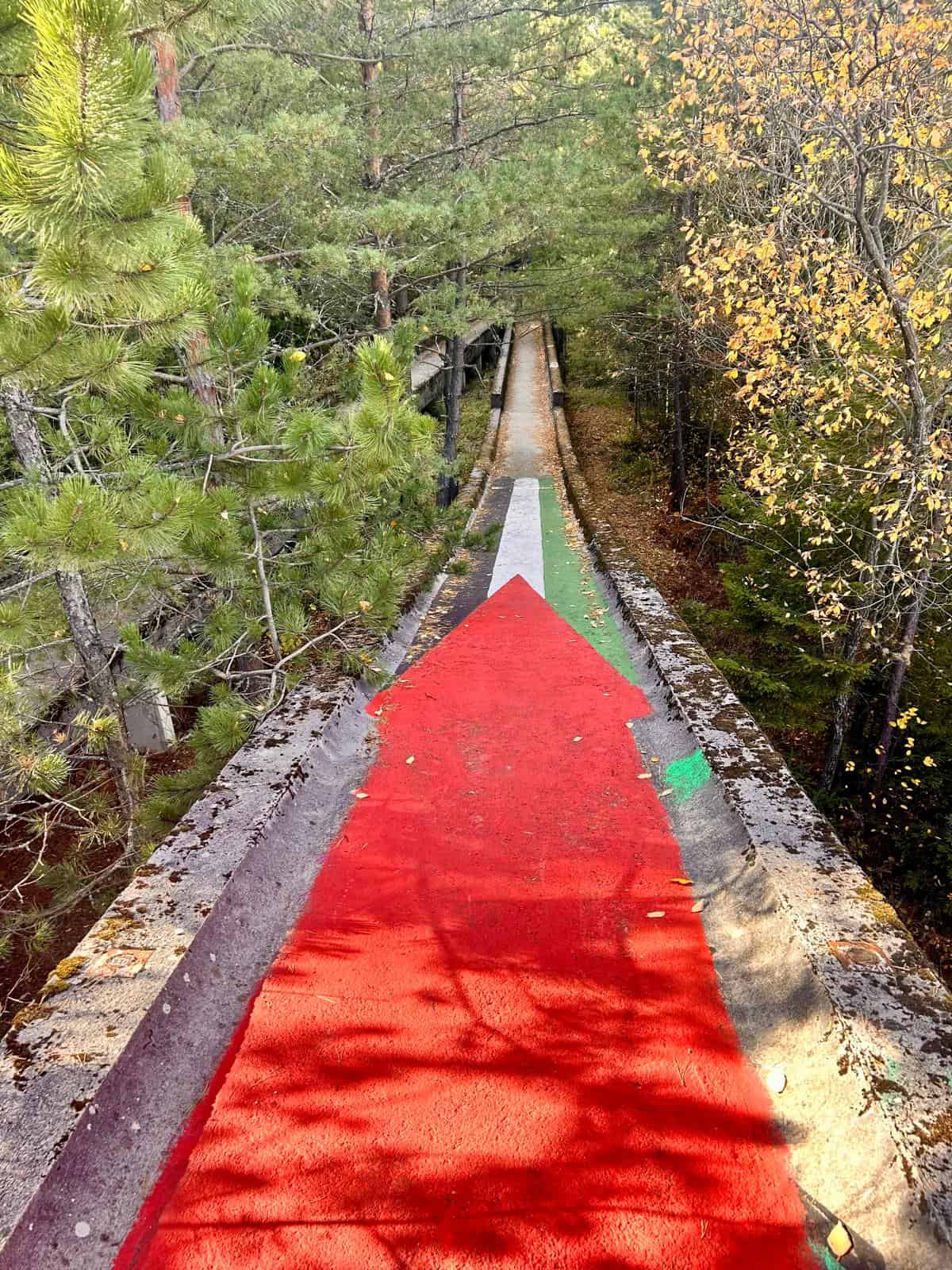
Sarajevo is walkable, charming, and deeply complex. You can experience the city almost chronologically by foot — from Ottoman-era streets to Austro-Hungarian architecture, and into more modern reminders of its recent past. Standing at the site where Archduke Franz Ferdinand was assassinated was surreal, knowing how one moment here rippled into a world at war.
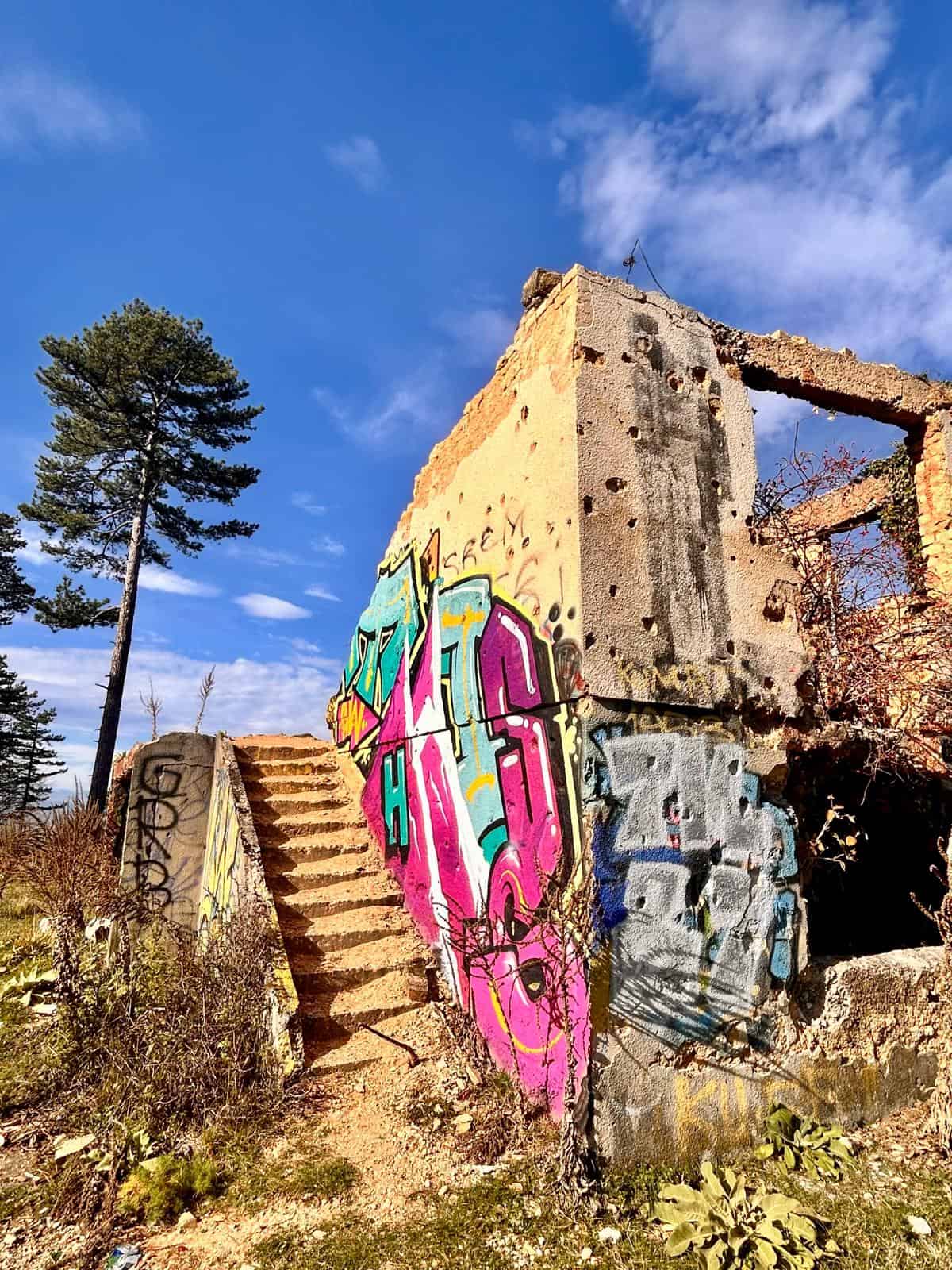
What struck me most were the quieter details — bullet holes still visible in buildings, subtle but unavoidable reminders of the war. A few of the museums offer a moving look at life before, during, and after the siege. I highly recommend taking the time to read first-hand accounts of what people here endured.
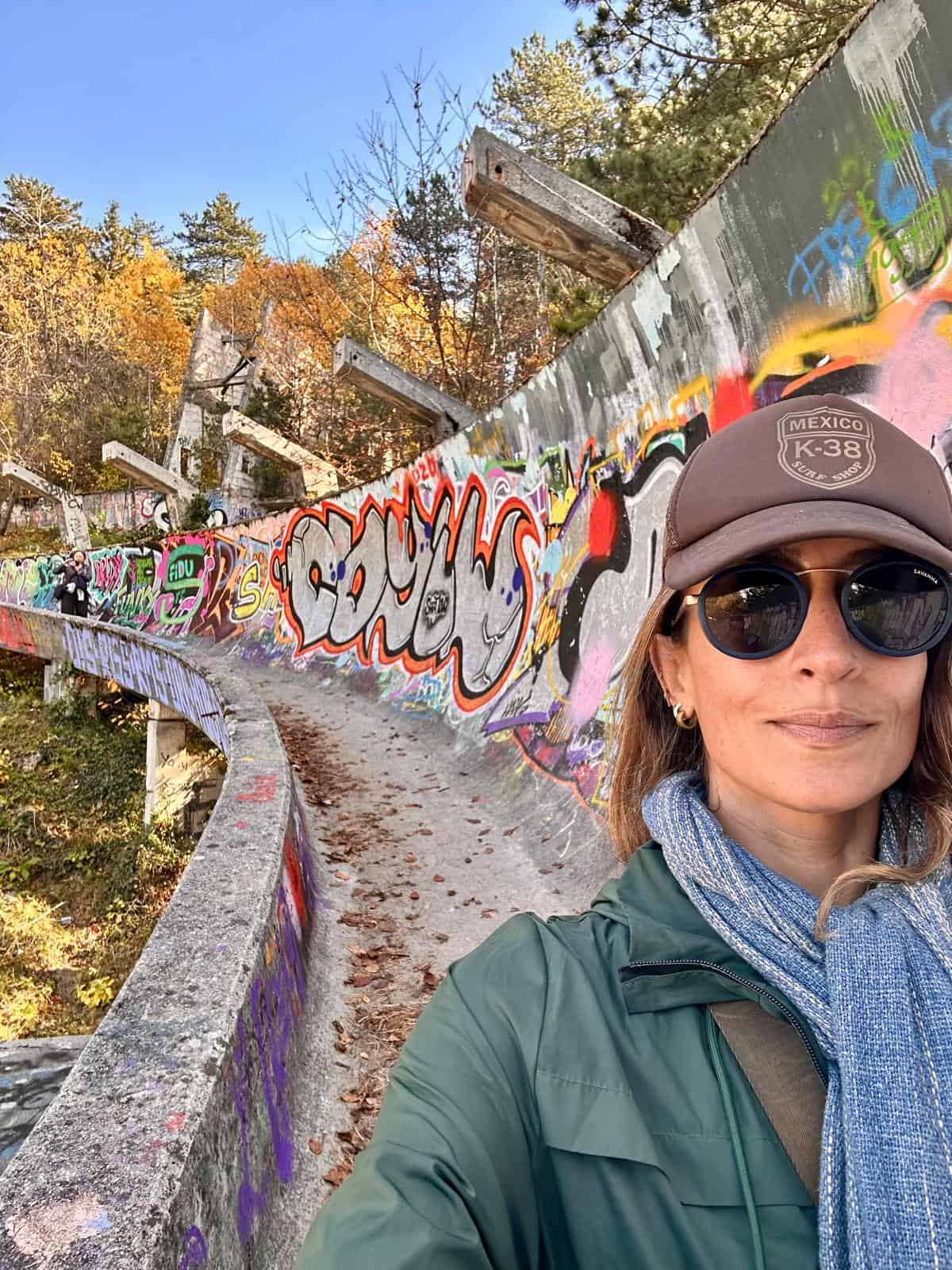
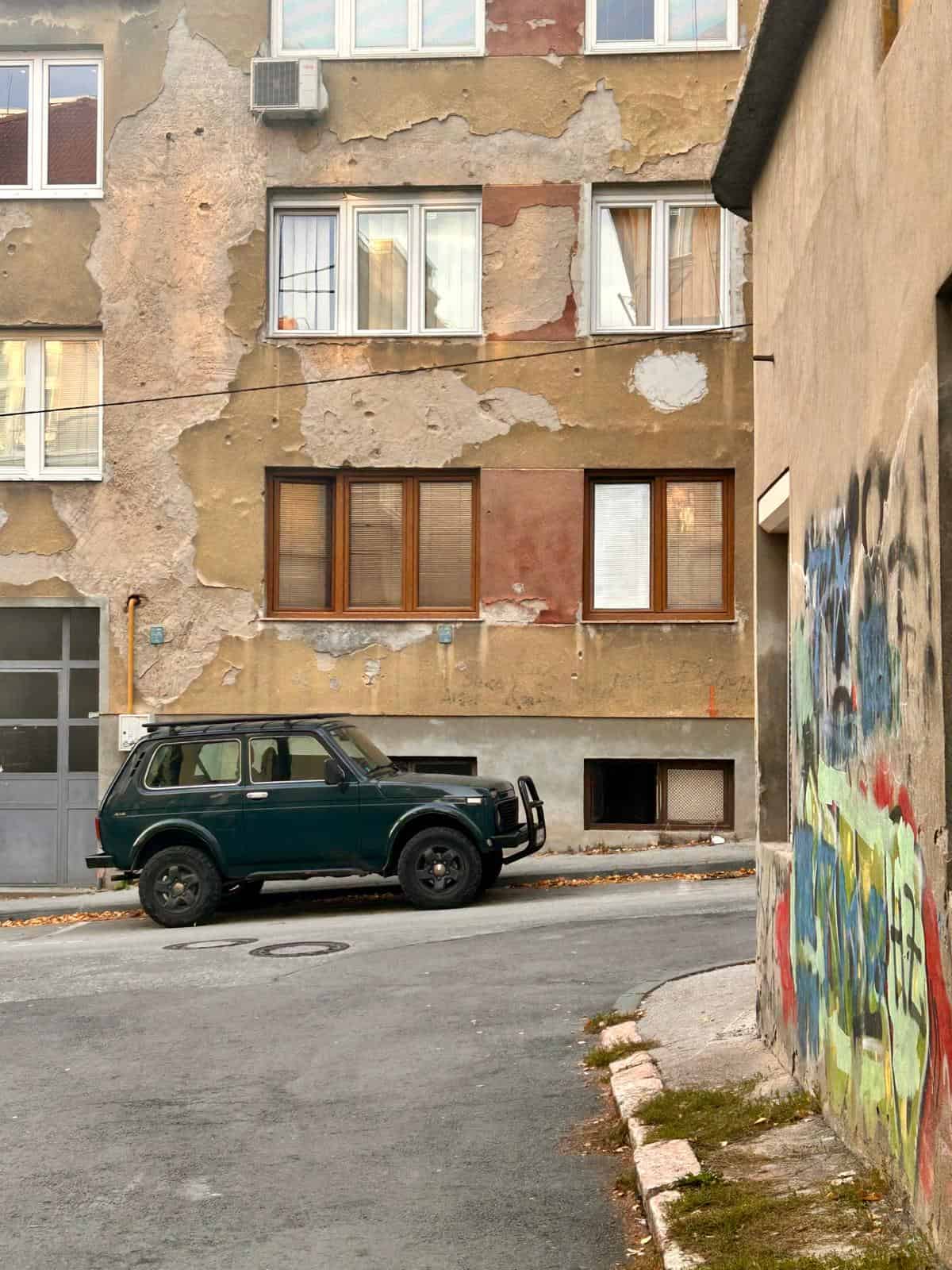
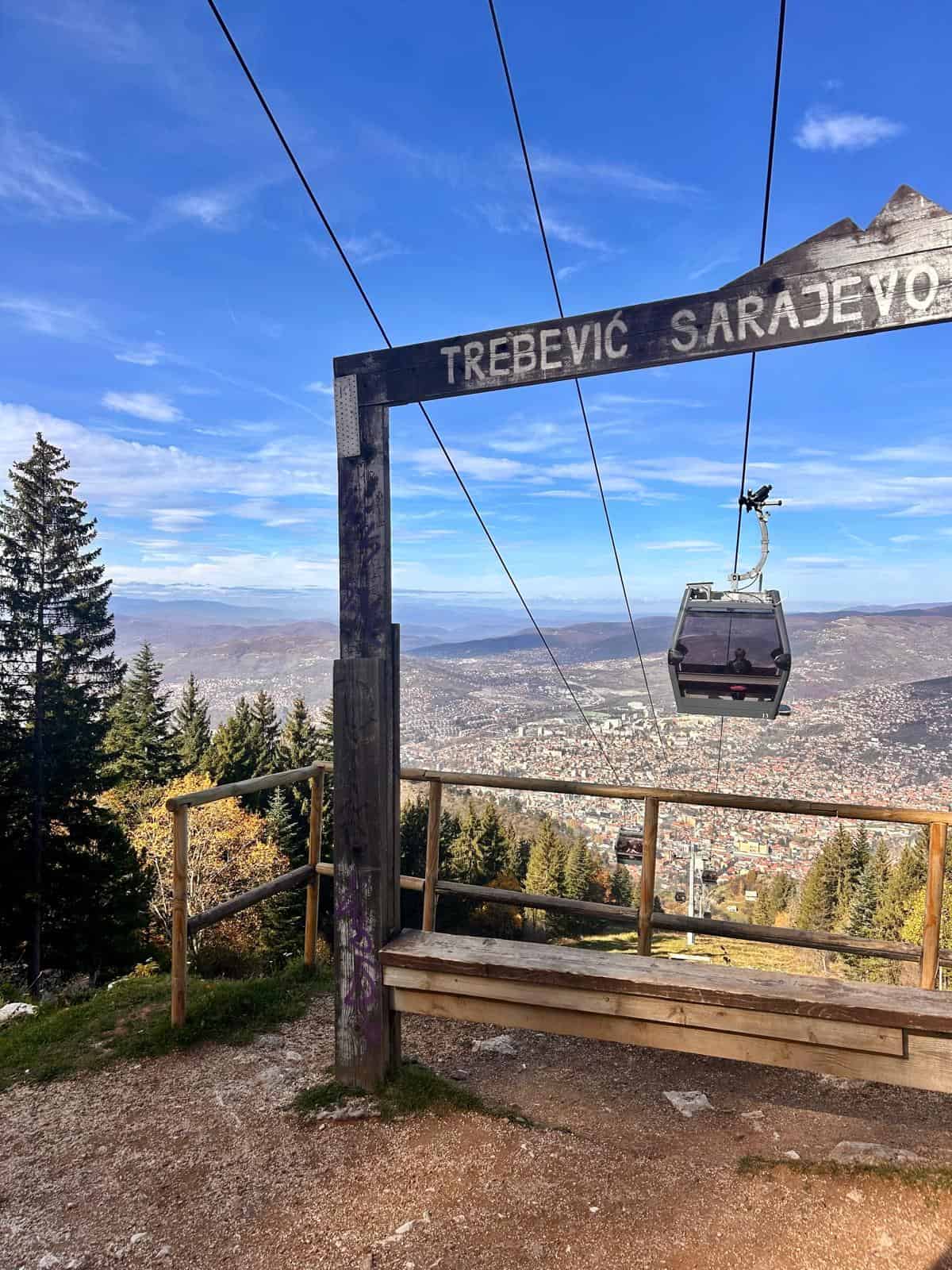
On a lighter note, the food was incredible, offering some of the best desserts I’ve had anywhere. Another highlight was visiting the old Olympic grounds and walking the bobsled track, now turned into an outdoor graffiti art museum. It’s eerie, beautiful, and unlike anything else in the city.
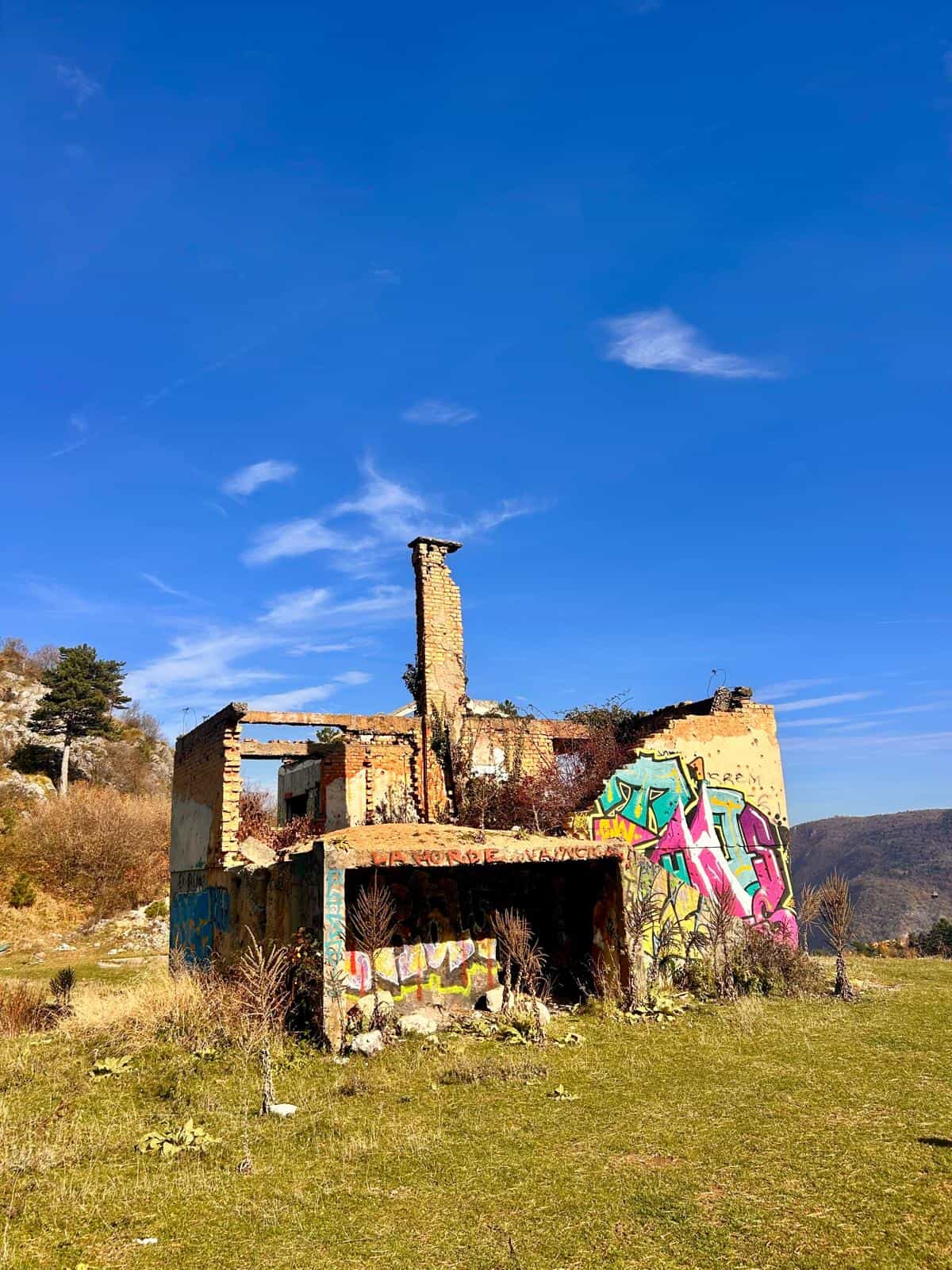

Sarajevo isn’t a place you rush through. For our first visit, four days were enough to understand its weight, appreciate its warmth, and leave knowing we’d only scratched the surface.
Belgrade, Serbia – 2 days
Belgrade was our two-day introduction to Serbia, which felt every bit like the former capital of Yugoslavia. There’s a strength to the city that’s hard to miss — it shows up in the architecture, the pace, and the people.

Set at the meeting point of the Sava and Danube rivers, Belgrade has a quiet beauty. Vast waterways, long bridges, and the remains of old fortresses give the city a sense of scale and history.
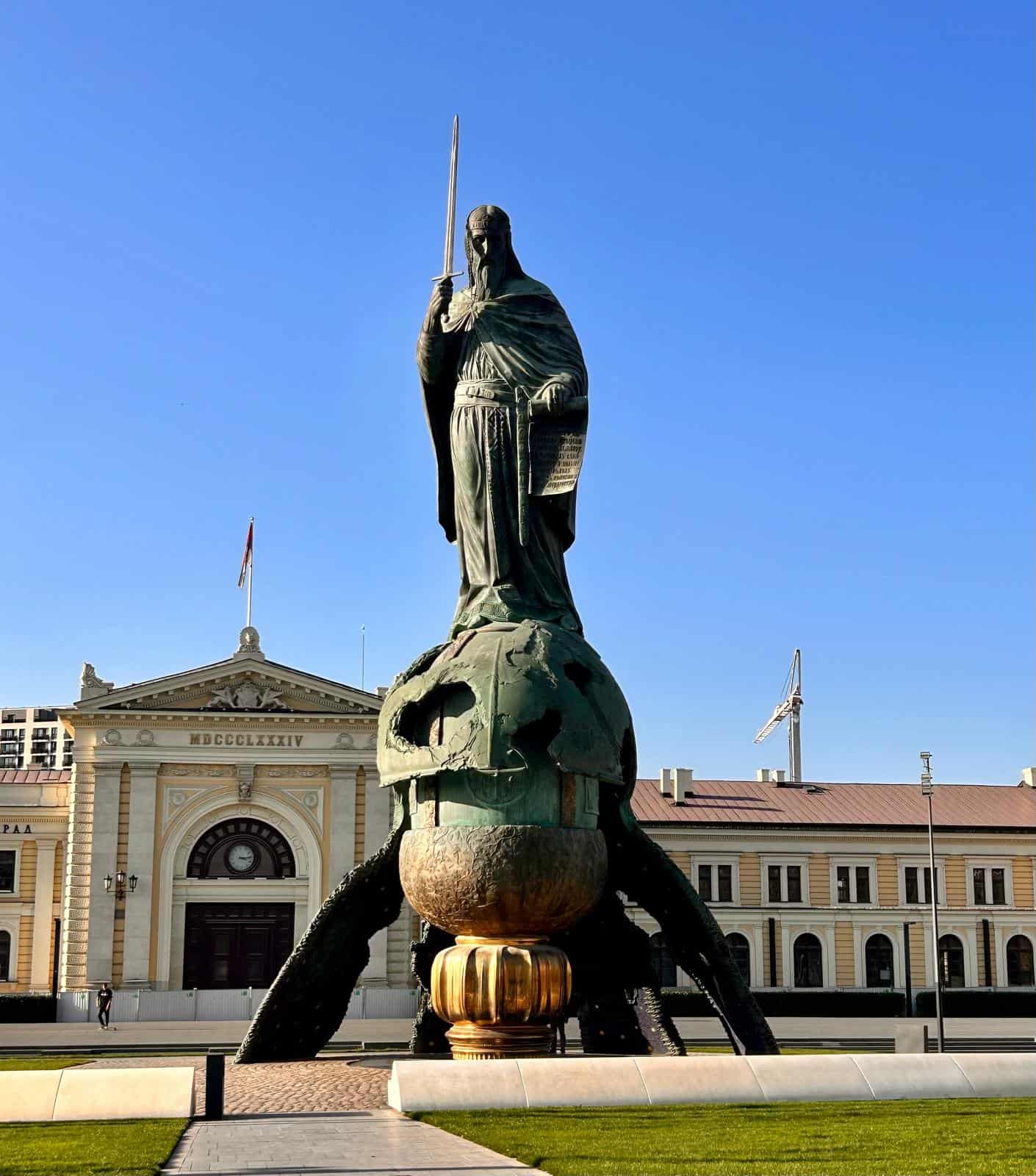
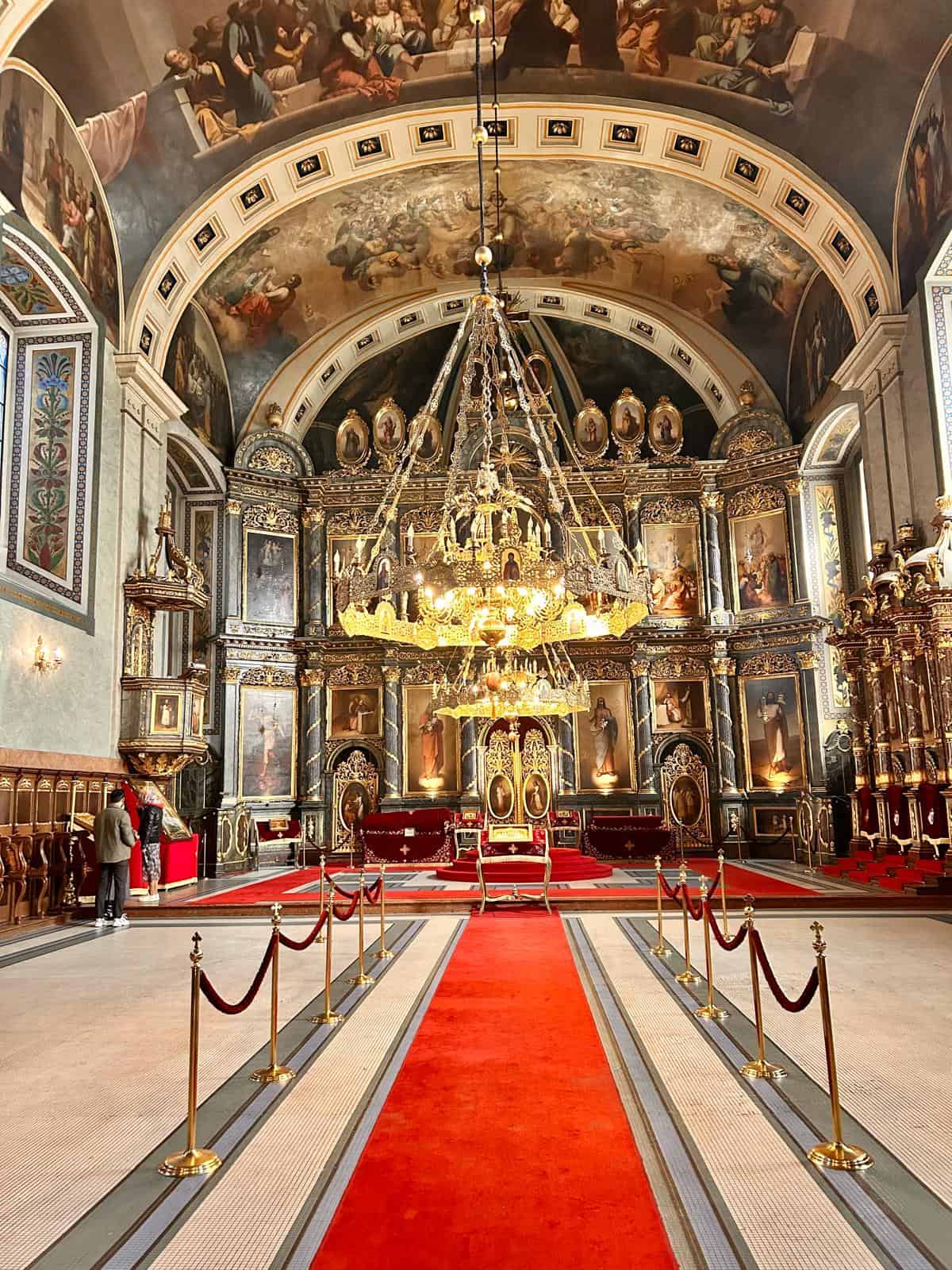
Belgrade is also easy to see on foot, and some of my favorite moments came from exploring without a plan. Evenings in Dorćol stood out the most, wandering the neighborhood, sitting down for long dinners, and watching locals enjoying a night out. We had a few expansive conversations with people there, and those moments gave me a greater understanding of the culture than the landmarks.
We took the bus to Novi Pazar — a small mountain town that served as a 2-day pause before leaving Serbia.
Prishtina, Kosovo – 2 days
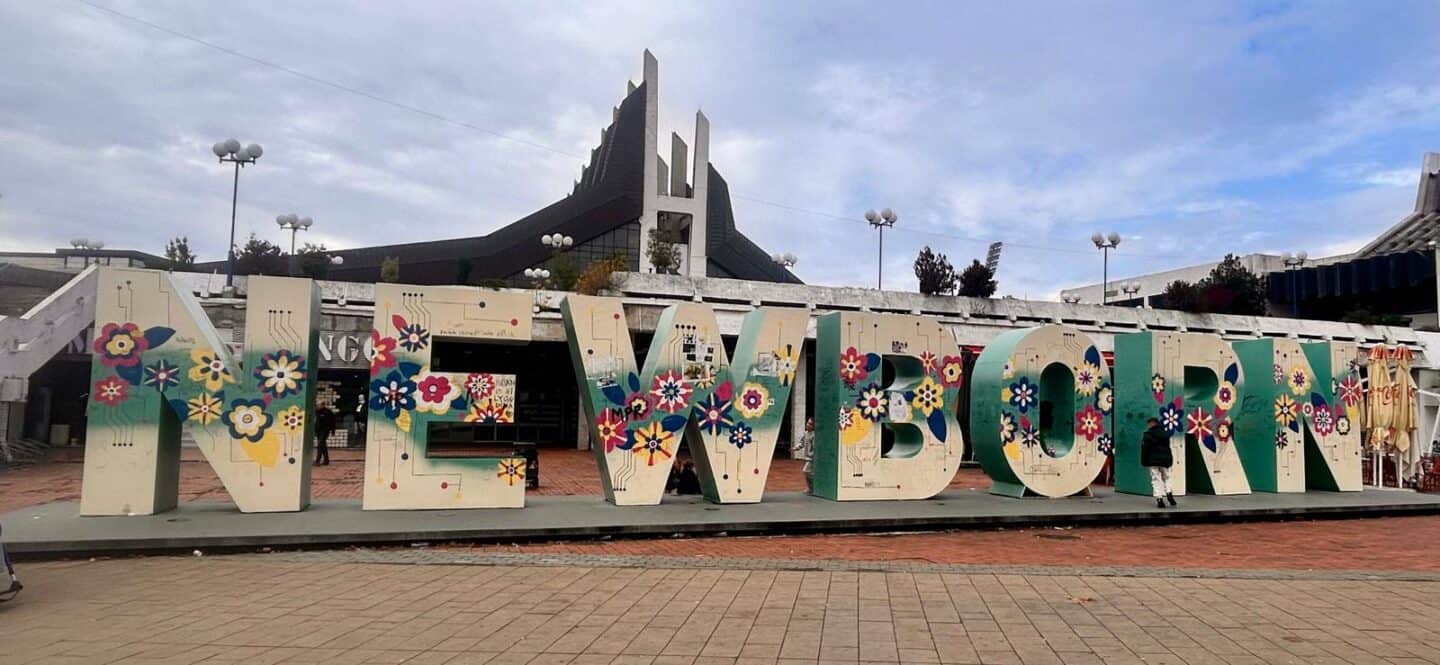
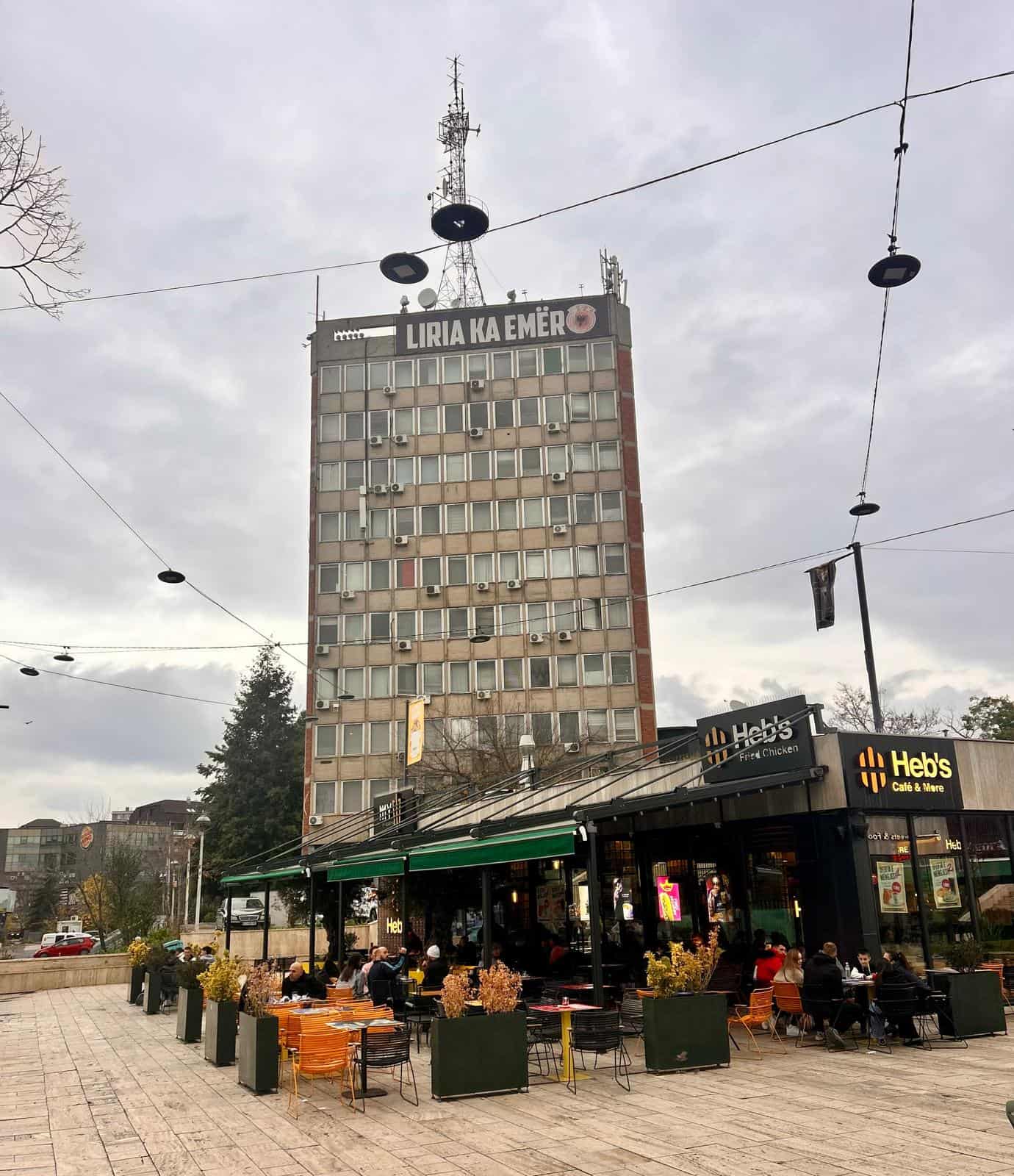
Our tour of the Balkans continued to Kosovo. Experiencing Prishtina meant walking between its most significant monuments. We visited the Newborn sign, the Heroinat memorial honoring women survivors of war, the National Library (brutalist architecture to its core!), Mother Teresa Cathedral, and the Bill Clinton statue. Each stop carried intensity, not just for what it represented, but for what still seemed unresolved.
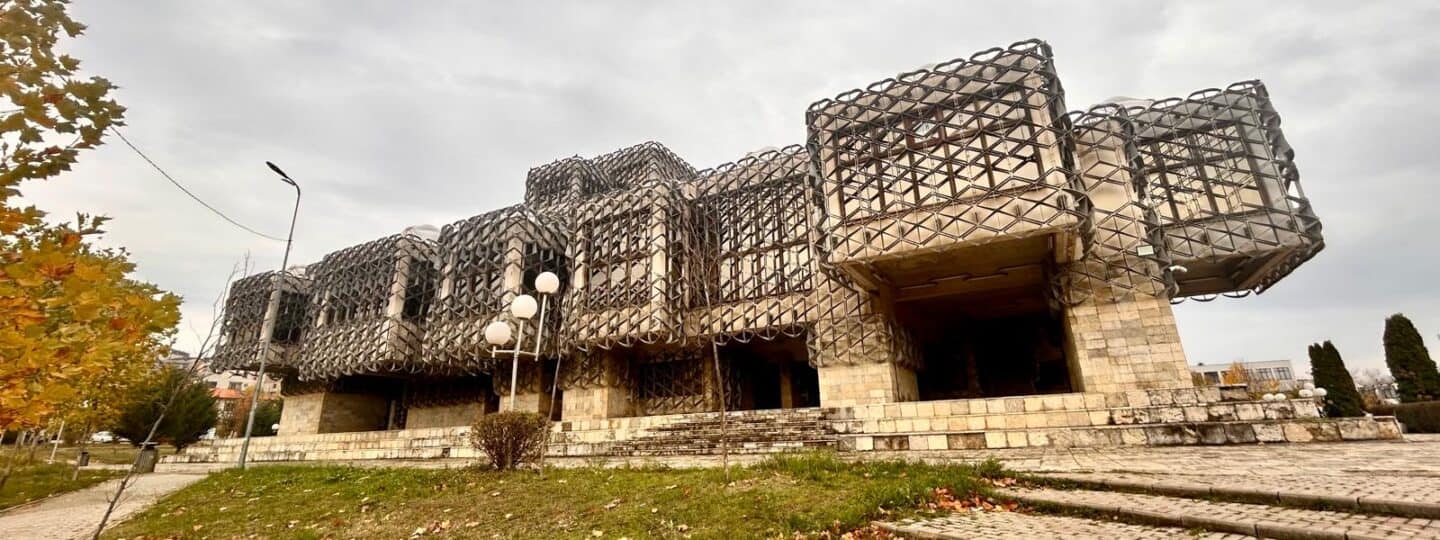
Kosovo felt like a place still deciding how to move forward. The loss of the past was palpable, and the energy throughout the city felt thick with recent history. This wasn’t a destination that invited ease or lightness. It asked you to pay attention, to experience. To sit with discomfort.
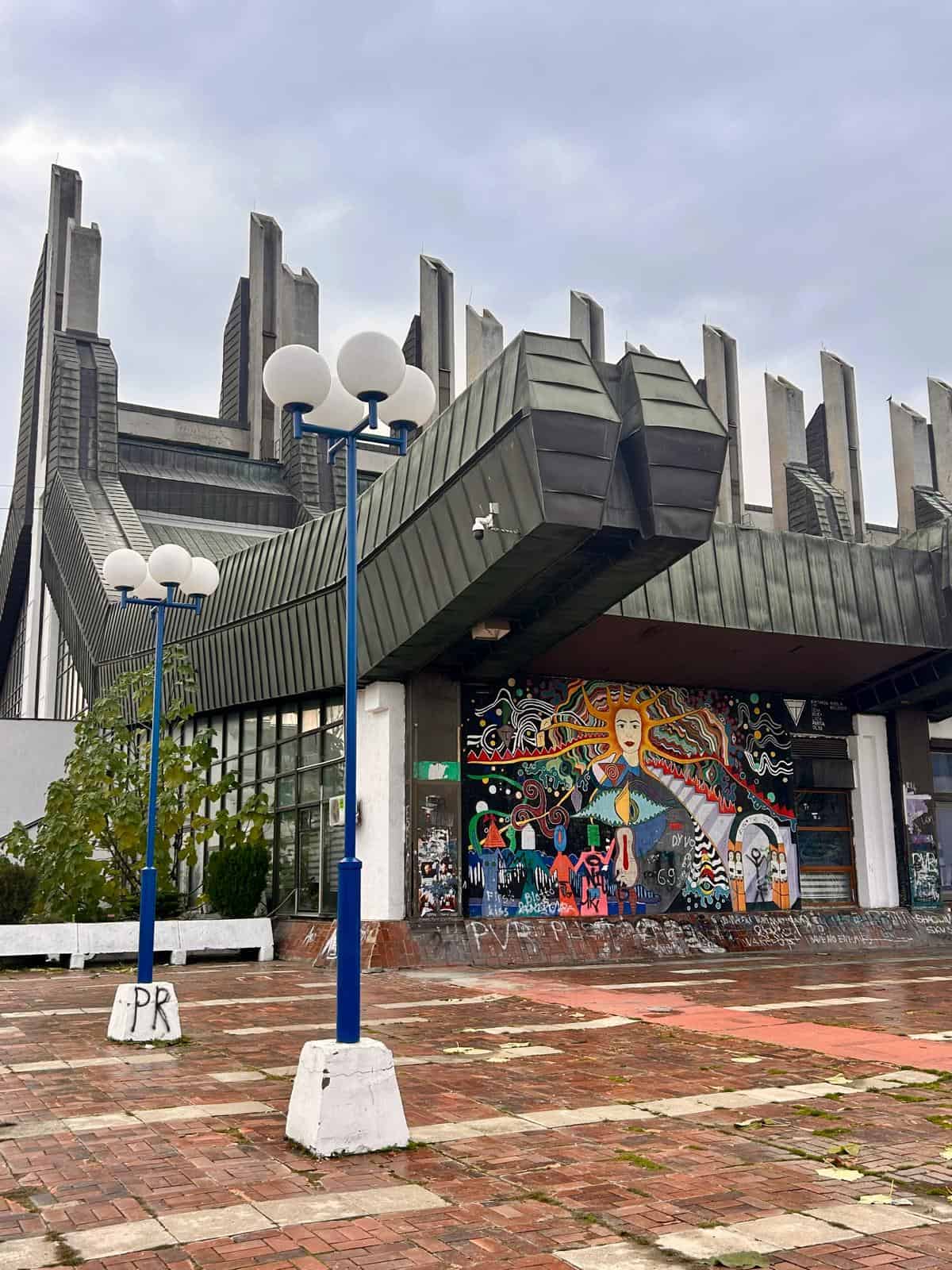
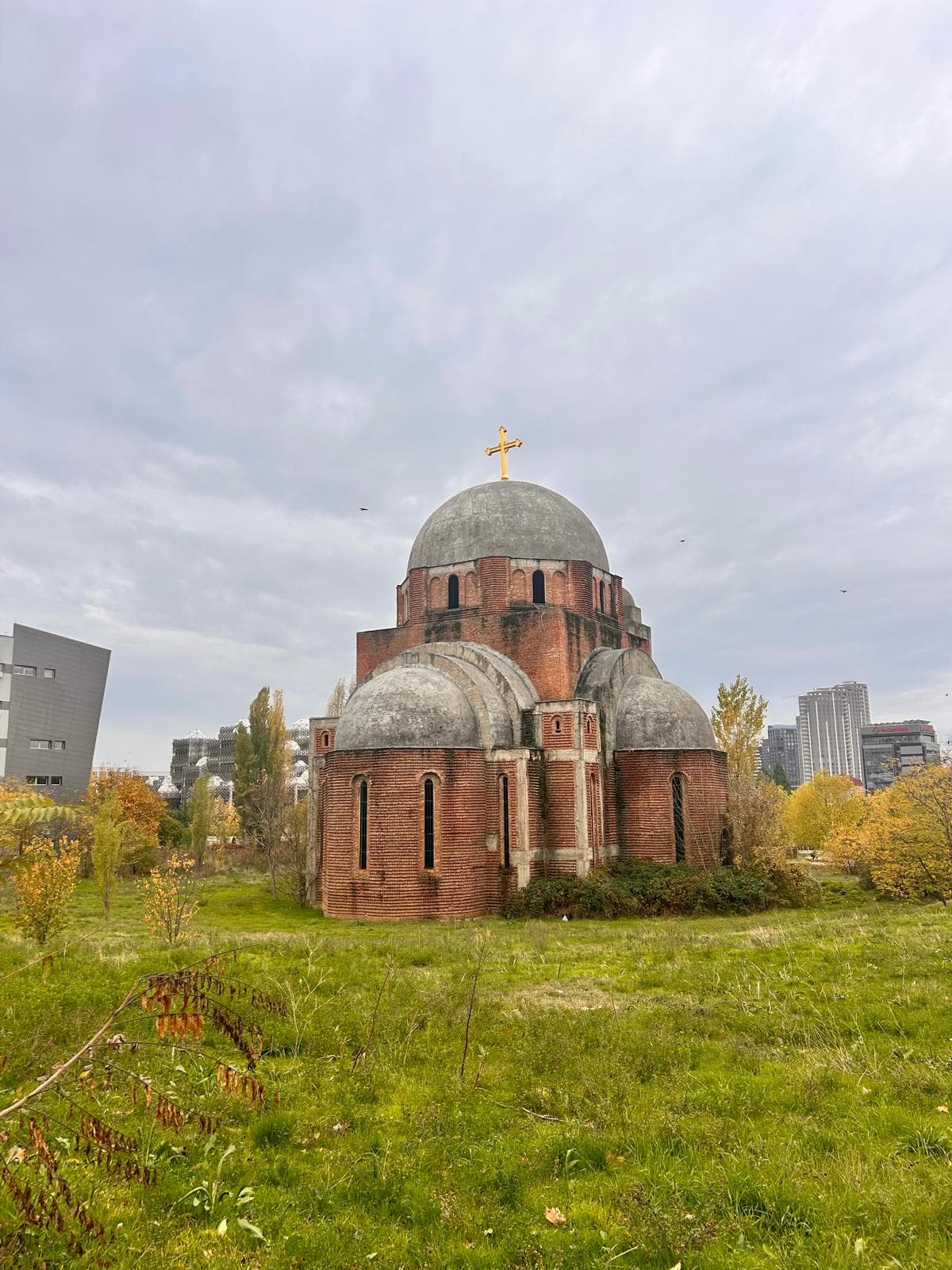
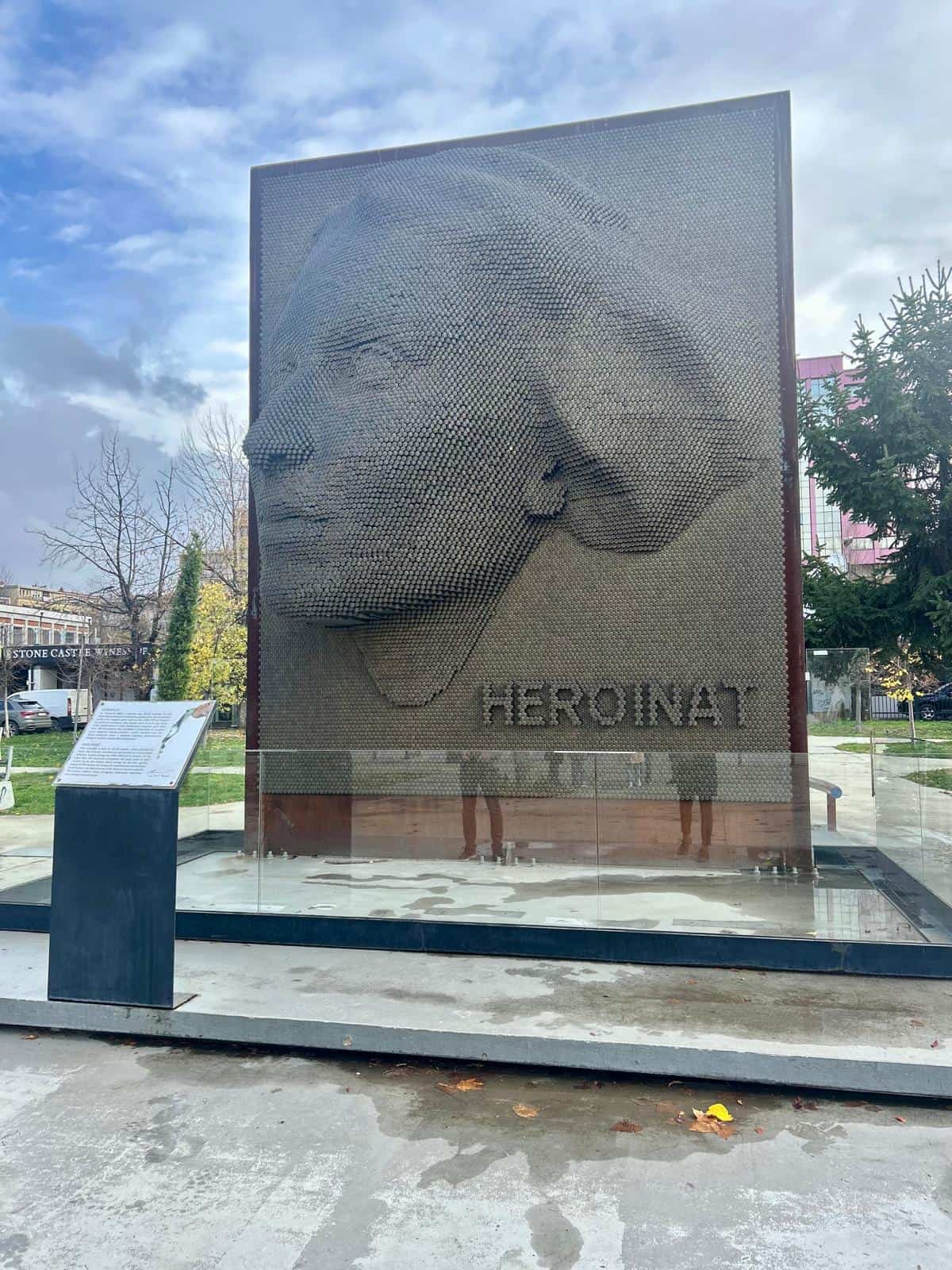
It was, without question, one of the heaviest places I’ve ever visited — a reminder that some wounds are still open, and healing requires patience and respect.
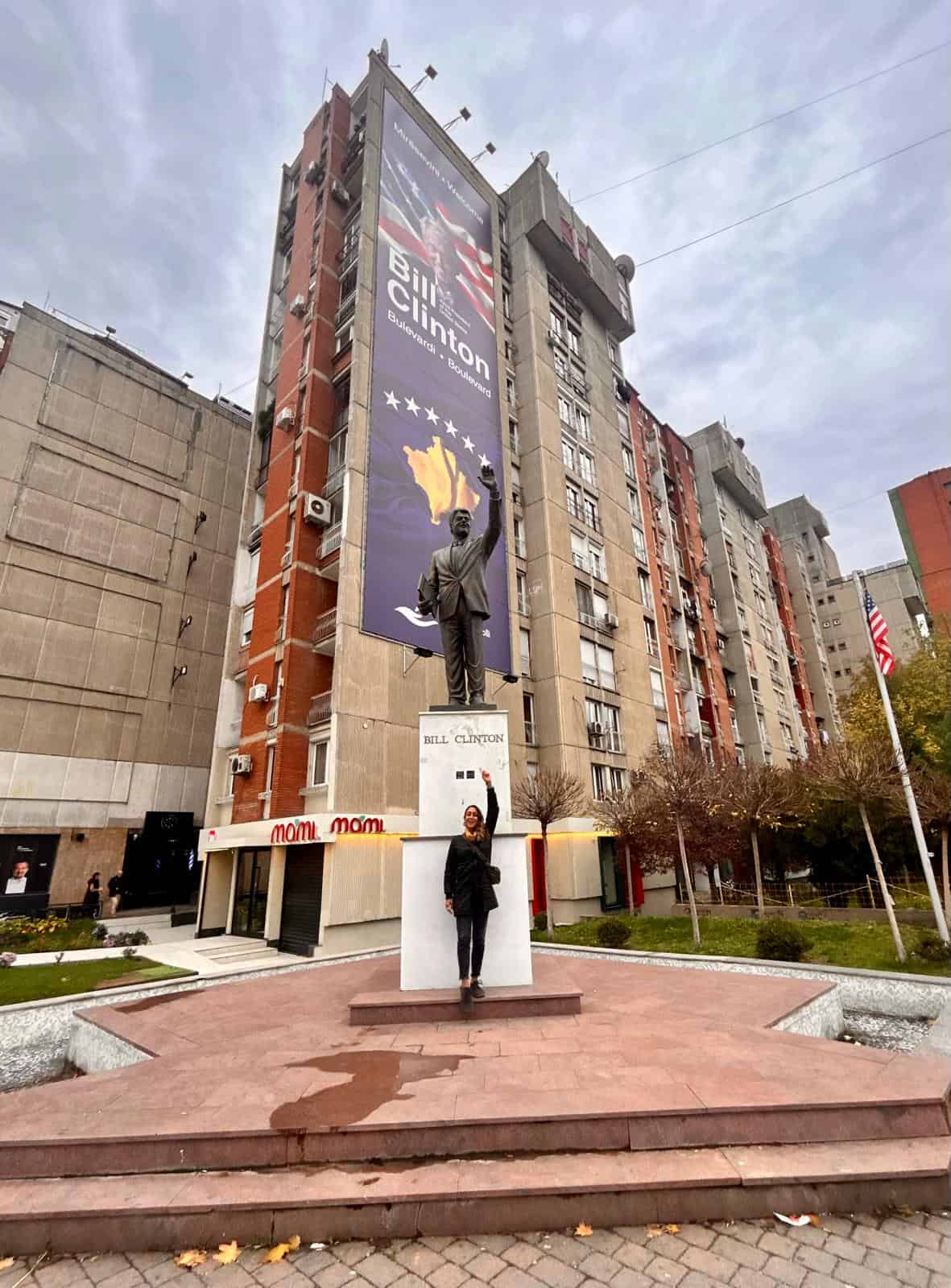
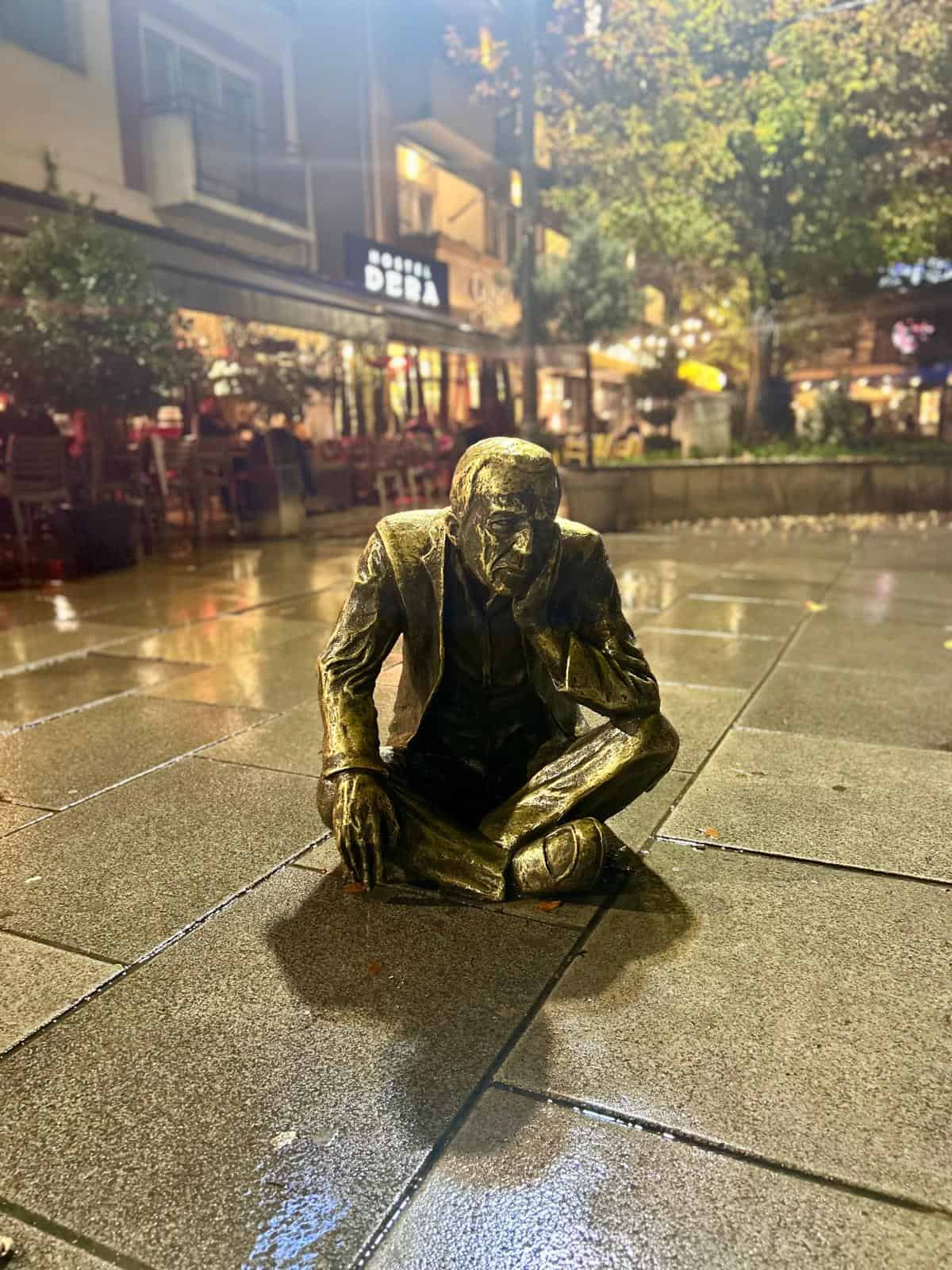
Kosovo isn’t easy — but it’s essential. And sometimes, being a good traveler means not turning away from the parts that are hardest to acknowledge.
Kotor, Montenegro – 1 day
A couple of quick stops in Shkodër, Albania, and Podgorica led us to Kotor. Nestled deep into the Bay of Kotor and surrounded by steep mountains, it’s one of those places where nature does the talking.
Kotor is hilly, dramatic, and quite a stunner. Life revolves around the water. Boats bobbing in the bay, people lingering along the malecón, the old town pressed up against the coast. It reminded me of Croatia, but less discovered, with a touch of Lake Como intrigue.
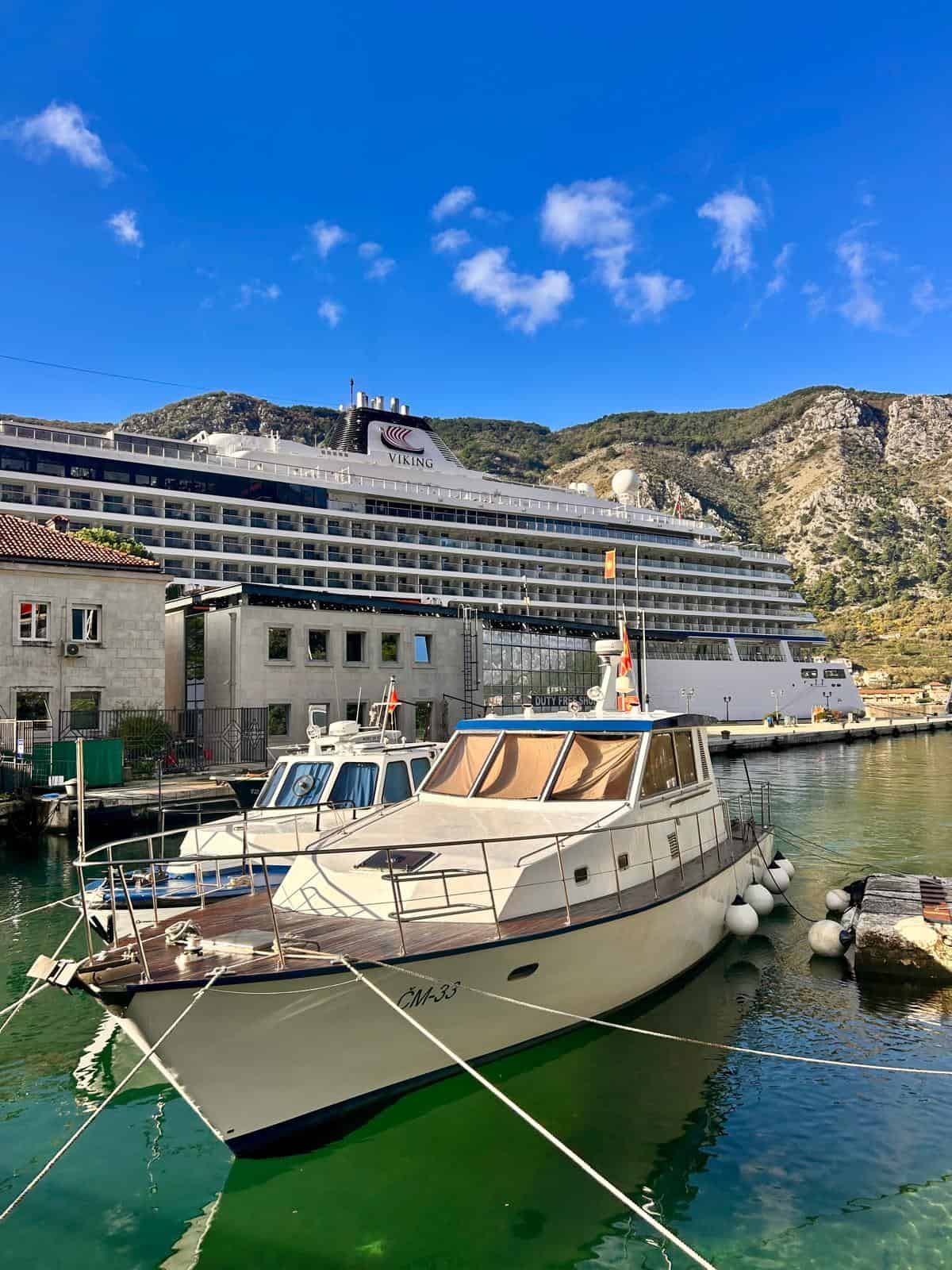
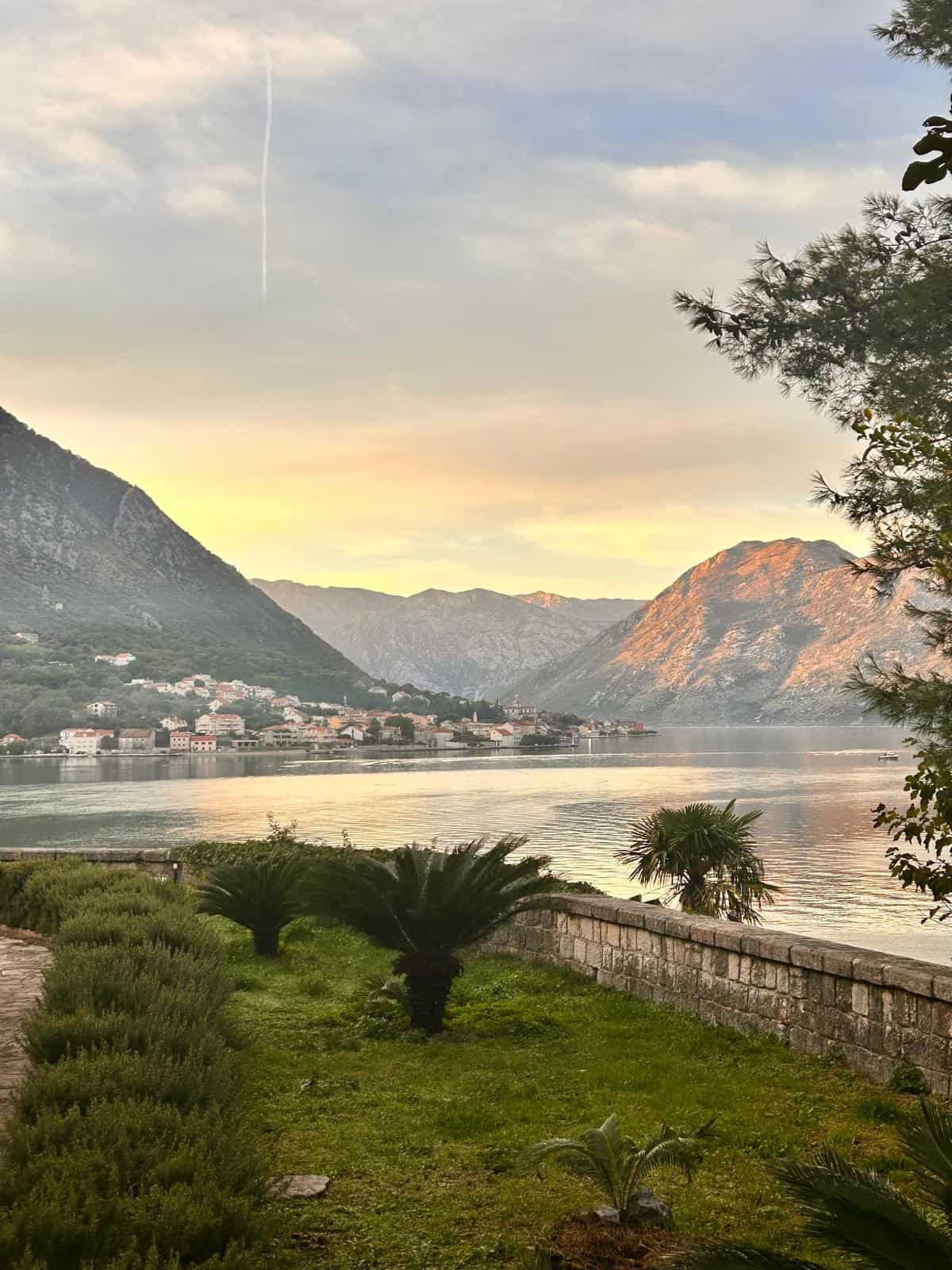
We only stayed one night, but it would have been easy to stay longer. This feels like the kind of place where you’d rent an apartment on the hillside, wake up to water views, and finally work on your personal projects. The landscape wraps around you, with mountains behind and water in front.
Historically, Montenegro’s rugged terrain played a significant role in shaping the country. Unlike much of the surrounding region, it was never fully absorbed into the Ottoman Empire, mainly because its mountains made it difficult to penetrate and even more challenging to control. That same geography still defines the place today. Protective, imposing, and intrinsically tied to its identity.
Tirana, Albania – 2 days
To wrap up our tour of the Balkans, I spent two days in Tirana, though I was here for nearly 20 days on and off during my time in Southeast Europe. Somewhere along the way, I really fell for it.
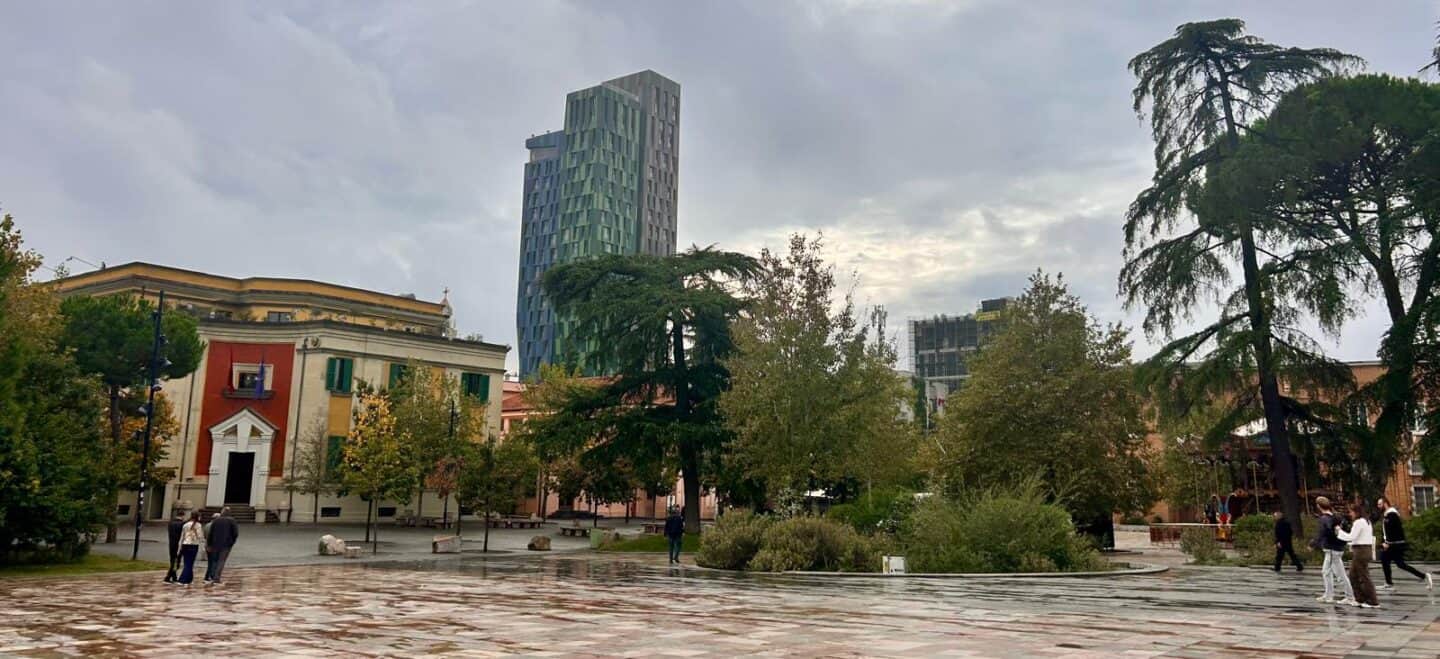
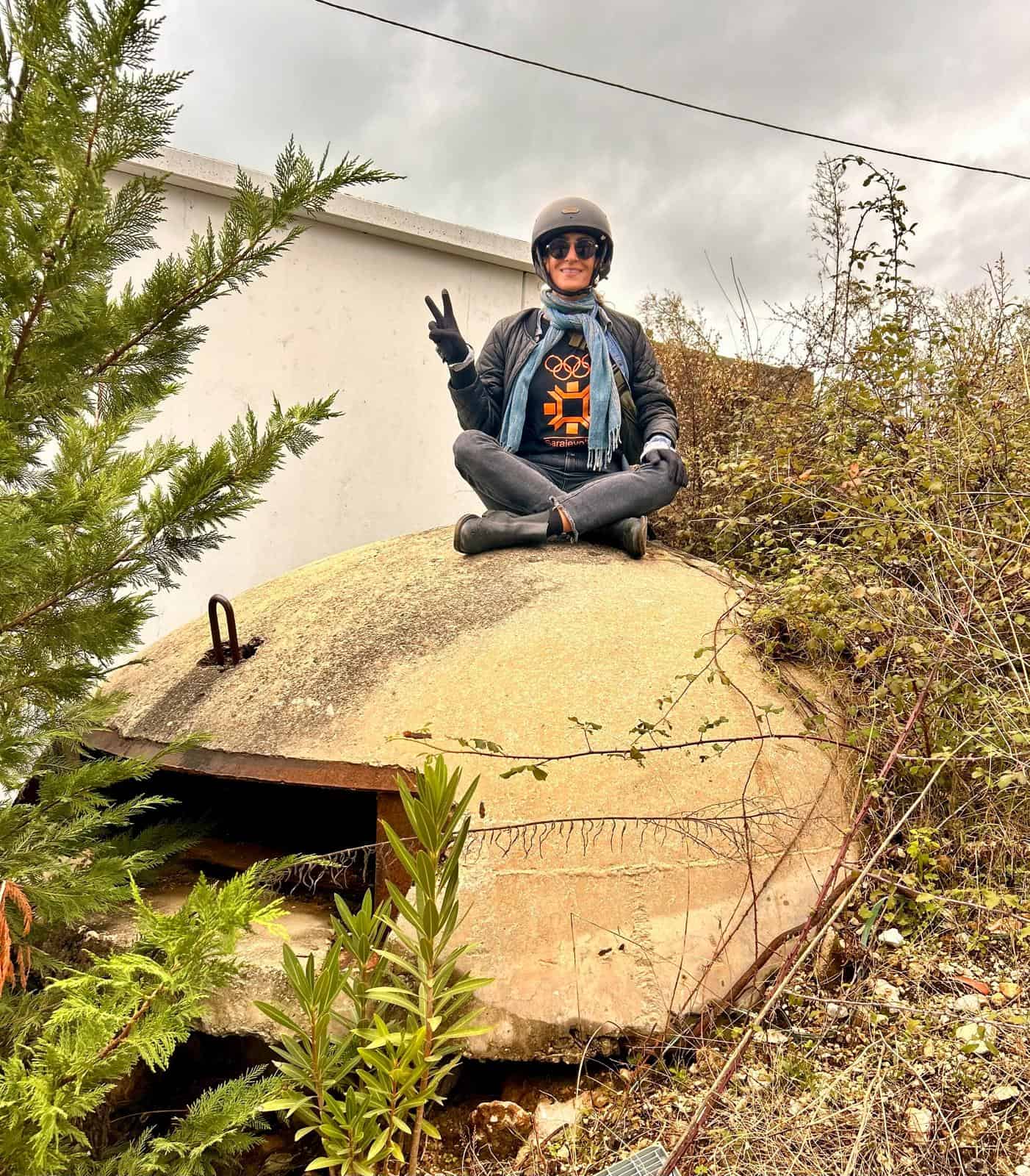
Tirana is colorful, energetic, and full of contrast. The architecture, the bold use of color, and the way the city has chosen to engage with its past rather than erase it all stood out immediately. Albania’s history is definitely complicated. Under Enver Hoxha’s rule, which lasted for roughly forty years (1944 – 1985), the country became one of the most isolated and tightly controlled in the world — marked by labor camps, constant surveillance, sealed borders, and a landscape dotted with countless concrete bunkers built in fear of invasion. Even after communism fell, Albania was rocked by the collapse of nationwide pyramid schemes in the late 1990s, pushing the country to the brink of economic and social collapse once again.
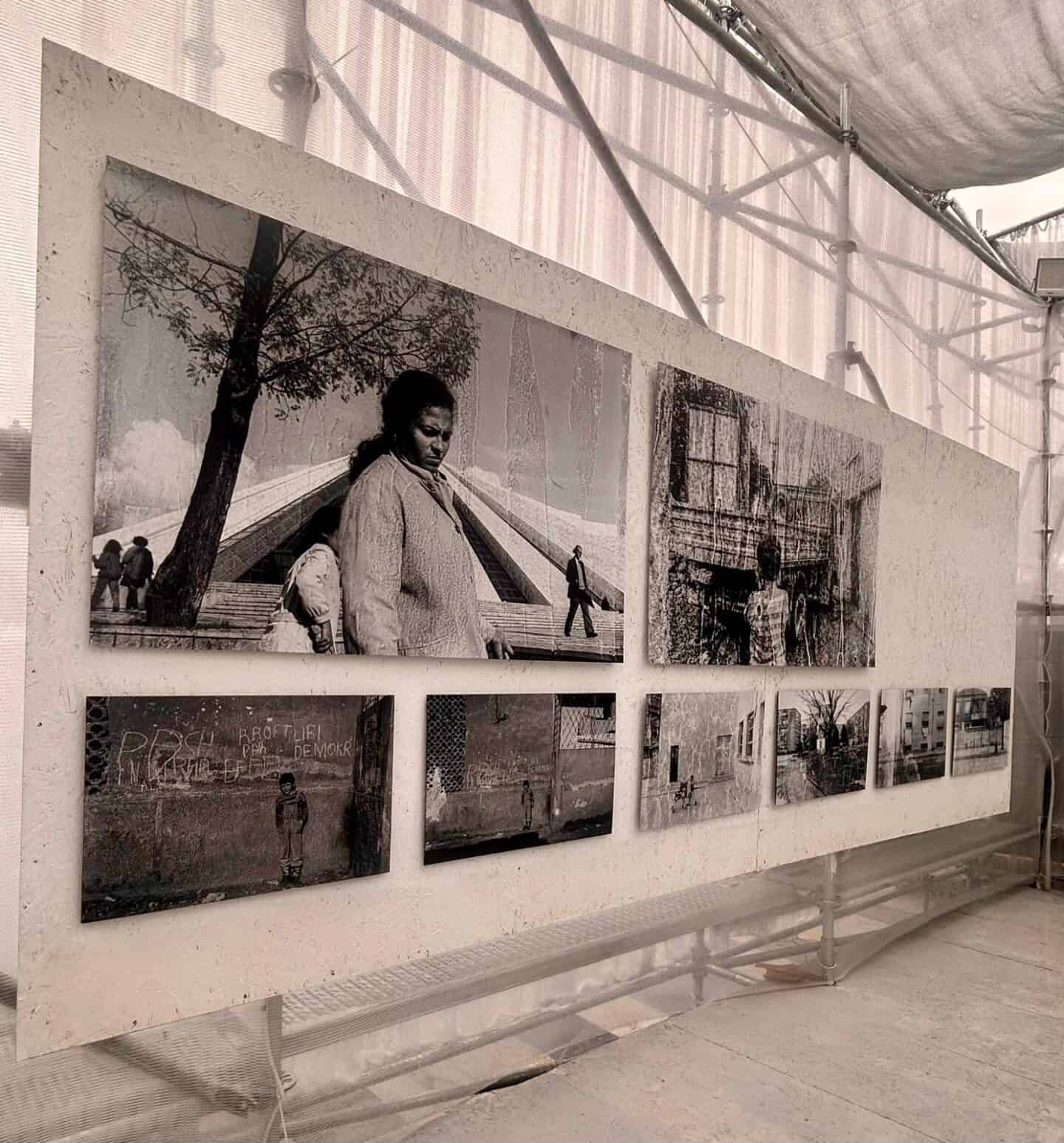
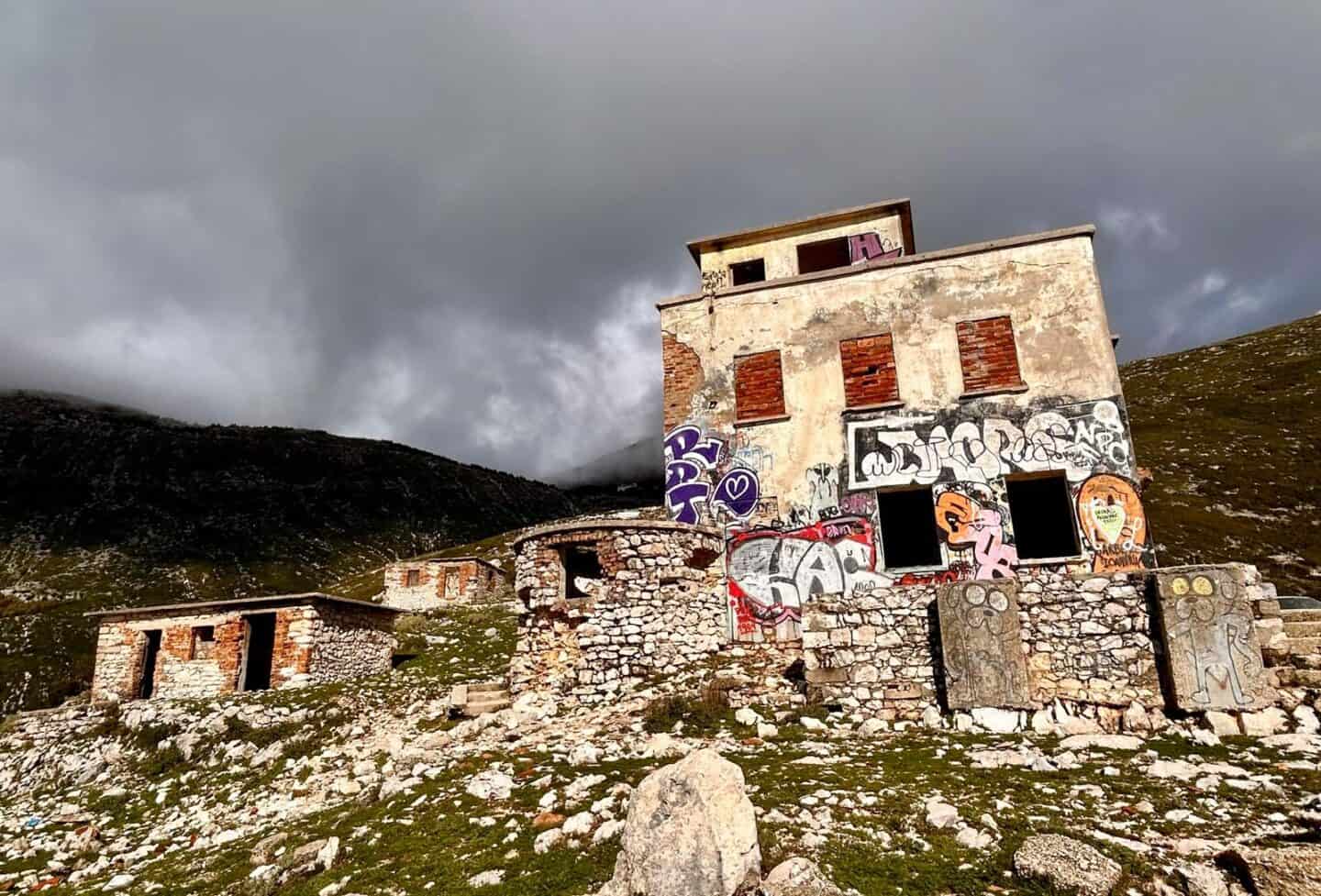
That weight is still present, but what struck me most was how Tirana has chosen to move forward. There’s life and momentum here — overflowing sidewalk cafes, public spaces reimagined, creativity integrated with history rather than buried beneath it.
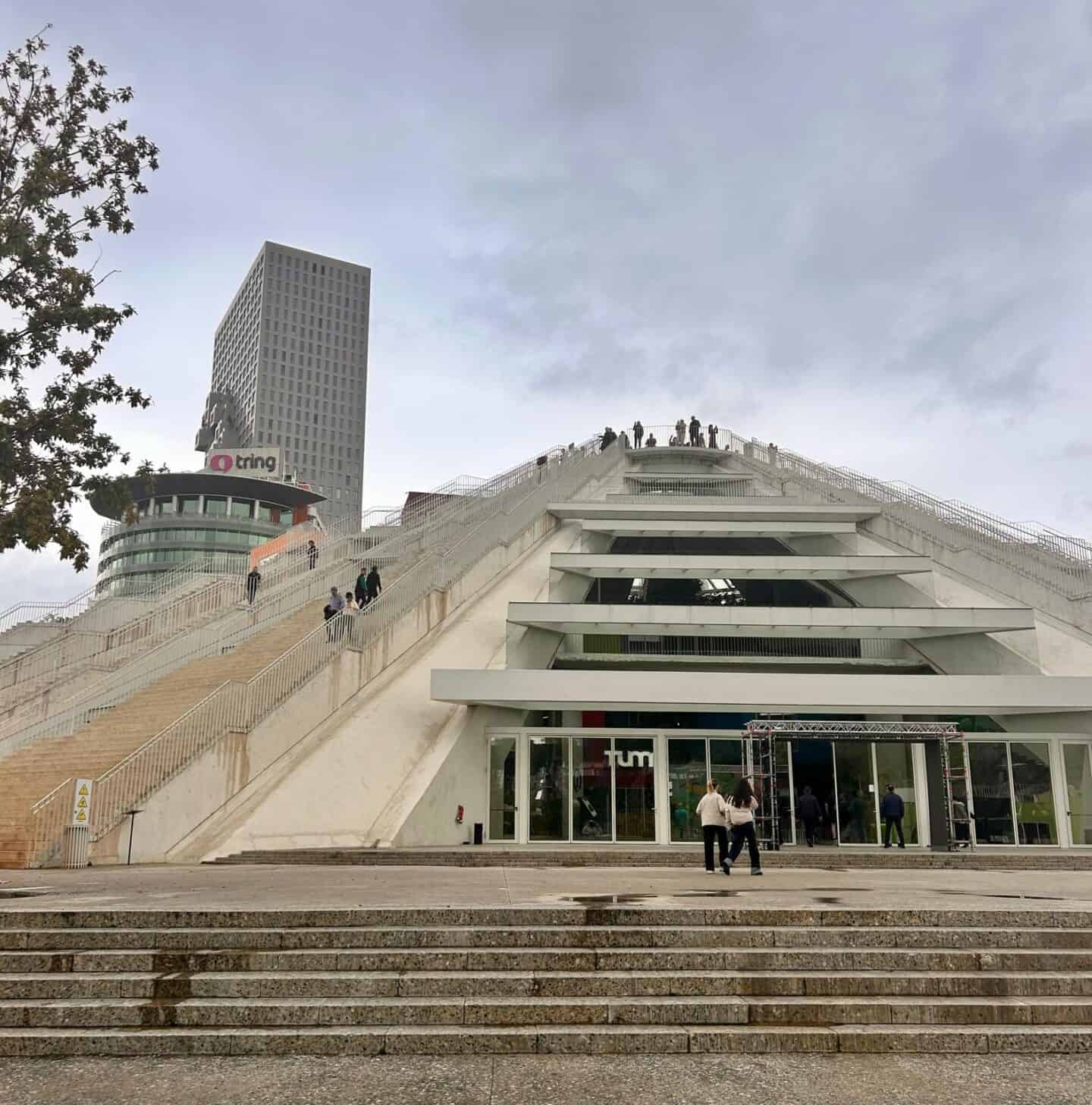
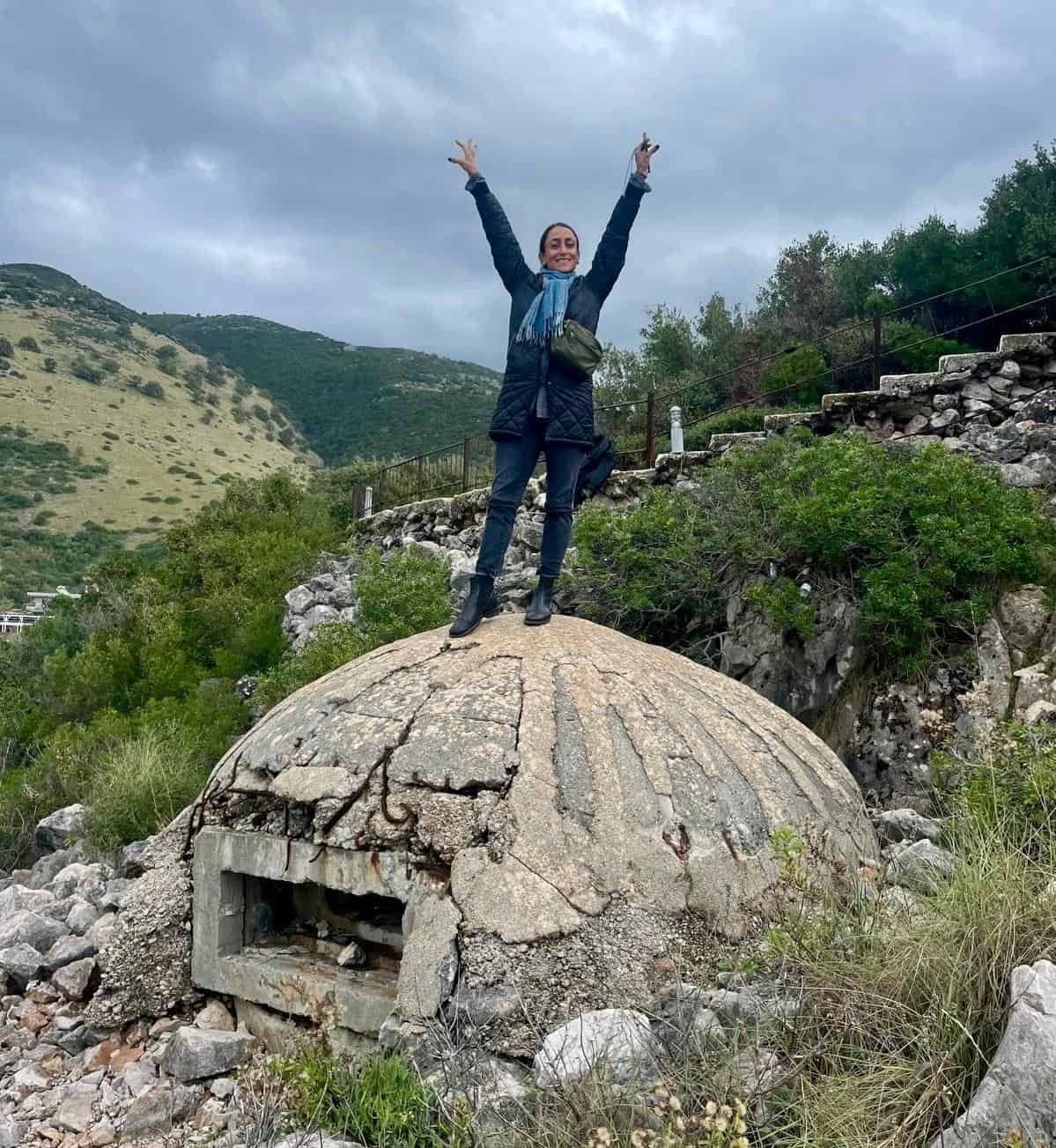
If your time allows, I highly recommend venturing beyond the capital to explore the Albanian Riviera. Here, the landscape shifts dramatically, and those bunkers still litter the hills, overlooking the sea.
As Our Tour of the Balkans Comes to an End …
As our tour of the Balkans came to an end, I couldn’t stop thinking about how much of history, at least the pieces we learned in school, was shaped by time constraints. Semesters are short. Curricula are broad, focusing on major wars, treaties, and turning points, while entire regions are condensed into footnotes at best.
Traveling through the Balkans offered one of the richest and most visceral history deep dives I’ve ever experienced. These stories aren’t abstract. They’re recent, lived, and etched into buildings, bridges, borders, and daily life.
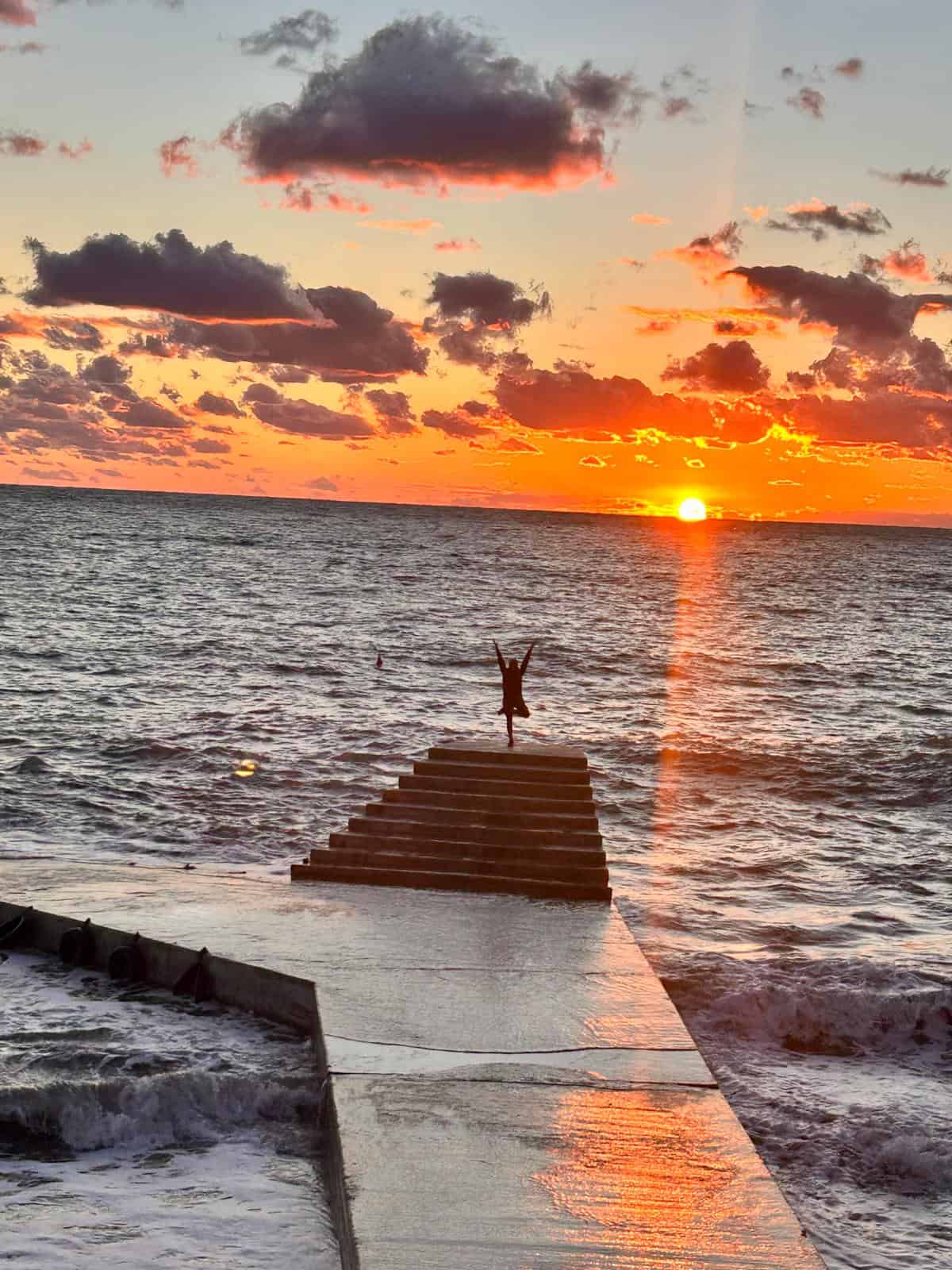
This is a trip for the history buff. For the dessert lover. For the aquatic voyager. But more than anything, it’s for travelers who can’t get enough of context, of complexity, and of understanding how the past continues to shape the present. The Balkans don’t just offer beauty; they offer a perspective shift. At every step, this region has something to share, to teach, and something that stays with you long after you’ve moved on.
Follow your curiosity through the Balkans, my friends.
Happy learning,
Bekah
PS ~ For another history shakedown, check out our Krakow, Poland guide!